NASA's 3D-Printed Habitat Challenge Explored Off-World Construction
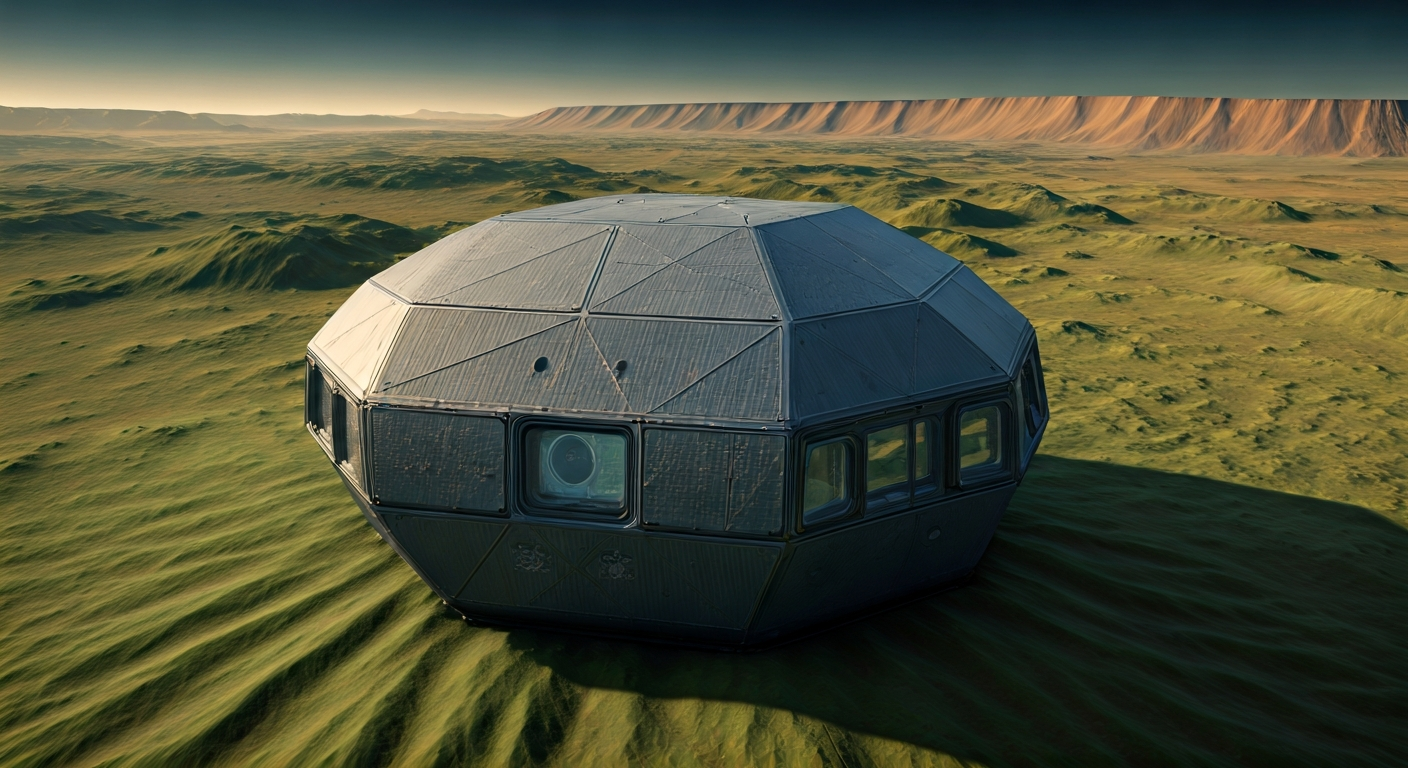
NASA's 3D-Printed Habitat Challenge, running from 2015 to 2019, spurred innovation in additive manufacturing techniques for extraterrestrial construction.
The 3D-Printed Habitat Challenge was a multi-year initiative by NASA to advance technologies necessary for building habitats on other planets using in-situ resources. The competition aimed to foster the development of additive manufacturing methods that could autonomously construct structures on the Moon or Mars.
Throughout the challenge, teams were tasked with designing and demonstrating 3D-printing technologies capable of creating habitable spaces. These designs often incorporated materials that could be sourced from the extraterrestrial environment, such as regolith, to minimize the need for transporting heavy construction materials from Earth. The competition was structured in phases, with specific milestones and requirements for each stage.
The challenge culminated in a final phase where teams had to demonstrate their printing systems in a simulated Martian environment. This involved printing full-scale habitat structures, showcasing the practical application of their designs. The event highlighted the potential of 3D printing as a key technology for enabling long-term human presence in space by reducing mission costs and increasing sustainability.
While the challenge concluded in 2019, the research and development it fostered continue to influence the field of space exploration and additive manufacturing. The insights gained from the 3D-Printed Habitat Challenge are crucial for future missions planning to establish bases on celestial bodies.
NASA's 3D-Printed Habitat Challenge was a significant step in developing autonomous construction capabilities for space exploration. By focusing on in-situ resource utilization and additive manufacturing, it directly addressed a critical bottleneck for long-duration missions. The technologies explored are foundational for establishing sustainable extraterrestrial bases, reducing launch mass, and potentially enabling future Mars colonization.
Edited by the news editor with AI from the original report — please refer to the original source.