NASA Tests Mars Rocket in Historic Wind Tunnel
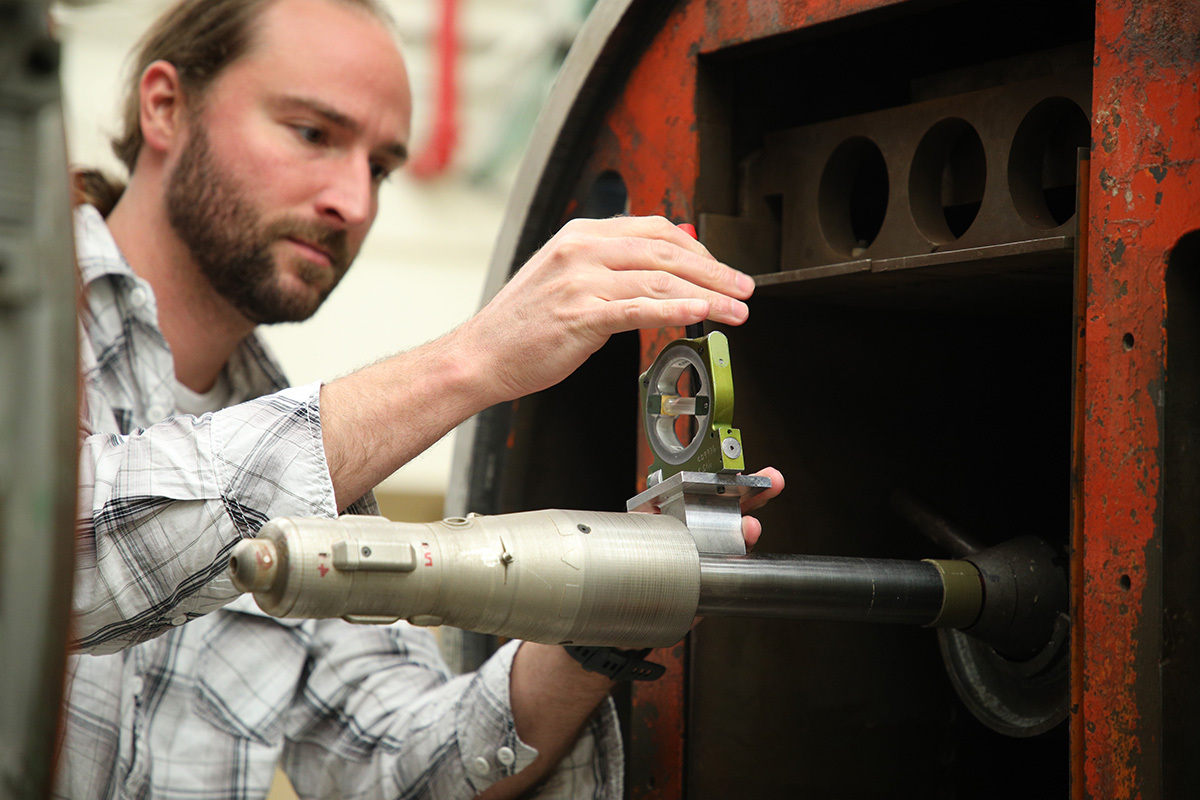
NASA's Mars Ascent Vehicle (MAV) underwent critical wind tunnel testing at Marshall Space Flight Center, advancing plans for the first Mars sample return mission.
NASA's Mars Ascent Vehicle (MAV) team recently conducted wind tunnel testing at the agency's Marshall Space Flight Center, using a facility that has supported major space missions since the Apollo era. The tests, conducted from July 10 to 15, aimed to gather aeroacoustic data to refine the MAV's design and performance, which is crucial for the joint NASA-ESA mission to return Martian samples to Earth in the early 2030s.
The testing involved 3D-printed scale models of the MAV, which were placed in a trisonic wind tunnel capable of simulating supersonic speeds up to Mach 5. The facility, known for testing iconic rockets like the Saturn and Space Shuttle, is now playing a key role in preparing for the first rocket launch from Mars. The results will help engineers understand the vehicle's aerodynamics, controllability, and structural response to turbulent airflow.
Annie Catherine Barnes, MAV aeroacoustics lead, explained that the team tested models at various angles to identify areas of turbulence and pressure fluctuations that could affect the rocket's performance. These findings will be used to improve the MAV's design and ensure its reliability for the challenging Martian environment.
The MAV is a critical component of the Mars Sample Return campaign, which aims to bring carefully selected samples from Mars to Earth for detailed analysis. The samples, collected by NASA's Perseverance rover, could provide insights into the planet's geological history and potential for ancient life. The MAV will launch from the Martian surface after receiving the samples from the Sample Retrieval Lander, sending them into orbit for capture by the ESA-developed Earth Return Orbiter.
The Mars Sample Return Program is managed by NASA's Jet Propulsion Laboratory and represents a major step in planetary exploration. The mission is expected to deliver samples to Earth in the early 2030s, marking a historic milestone in space science.
This article was written by AI from the original report. The "AI Analysis" is opinion/commentary. Always refer to the original source for the complete, authoritative story.