NASA Tests 3D-Printed Deep Space Rocket Nozzle
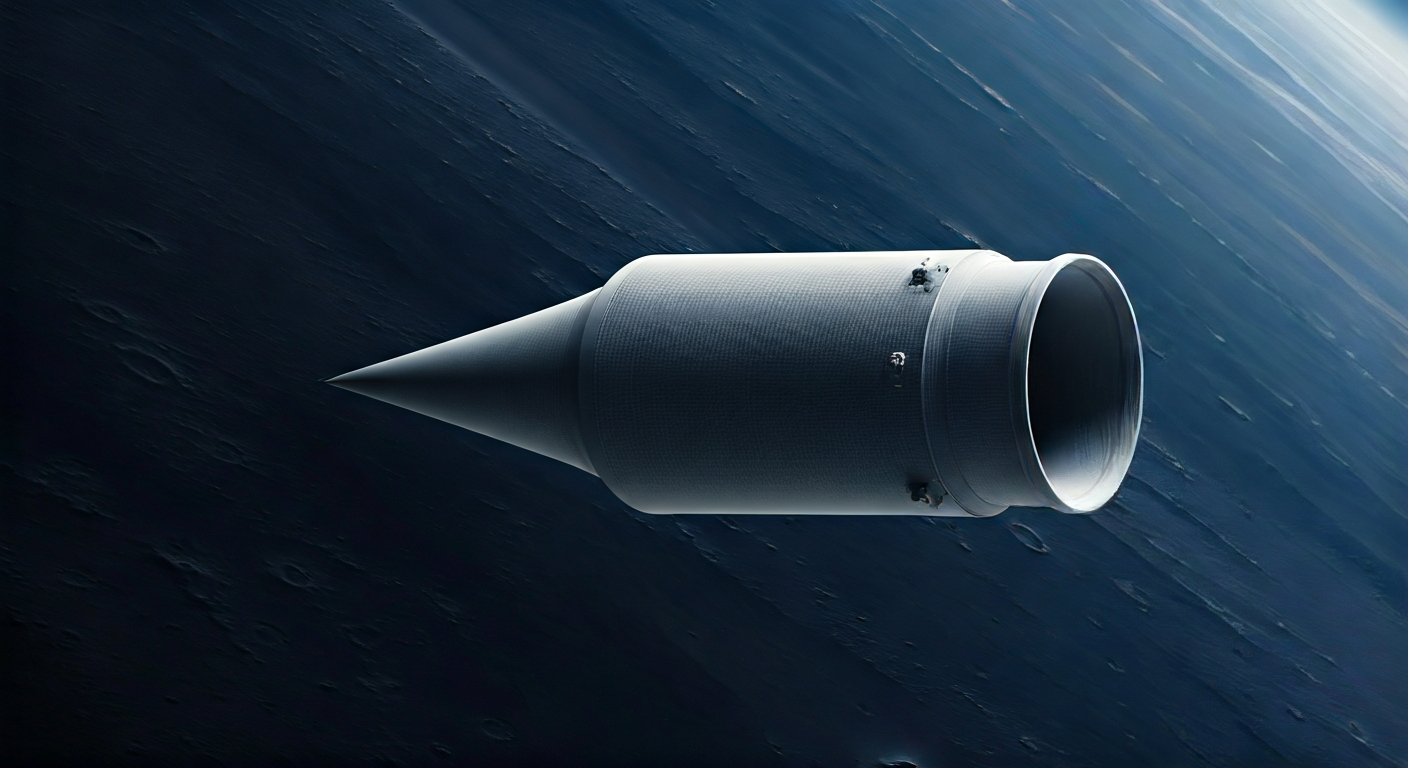
NASA has successfully tested a 3D-printed rocket nozzle intended for deep space missions, showcasing advancements in additive manufacturing for space exploration.
NASA has conducted a successful test of a 3D-printed rocket nozzle, a critical component for deep space propulsion systems. This development signifies a significant step forward in the agency's utilization of additive manufacturing for space applications.
The nozzle, designed for the demanding conditions of deep space, underwent rigorous testing to evaluate its performance and durability. While specific details about the testing parameters and the materials used were not provided, the successful outcome suggests that 3D printing is becoming a viable and reliable method for producing complex rocket engine parts.
This advancement in 3D-printed rocket components could lead to faster production times, reduced costs, and the ability to create more intricate and optimized designs compared to traditional manufacturing methods. Such capabilities are crucial for enabling future deep space missions, which often require specialized and high-performance hardware.
The testing of this 3D-printed nozzle aligns with NASA's broader strategy to leverage additive manufacturing for in-situ resource utilization and rapid prototyping, potentially supporting future lunar and Martian exploration efforts.
The successful testing of a 3D-printed deep space rocket nozzle highlights the growing maturity of additive manufacturing in aerospace. This technology allows for complex geometries, reduced part counts, and potentially faster production cycles, which are vital for cost-effective and agile deep space missions. It also paves the way for on-demand production and in-situ manufacturing capabilities, crucial for long-duration space exploration.
Edited by the news editor with AI from the original report — please refer to the original source.