NASA Successfully Tests 3D-Printed Rotating Detonation Rocket Engine
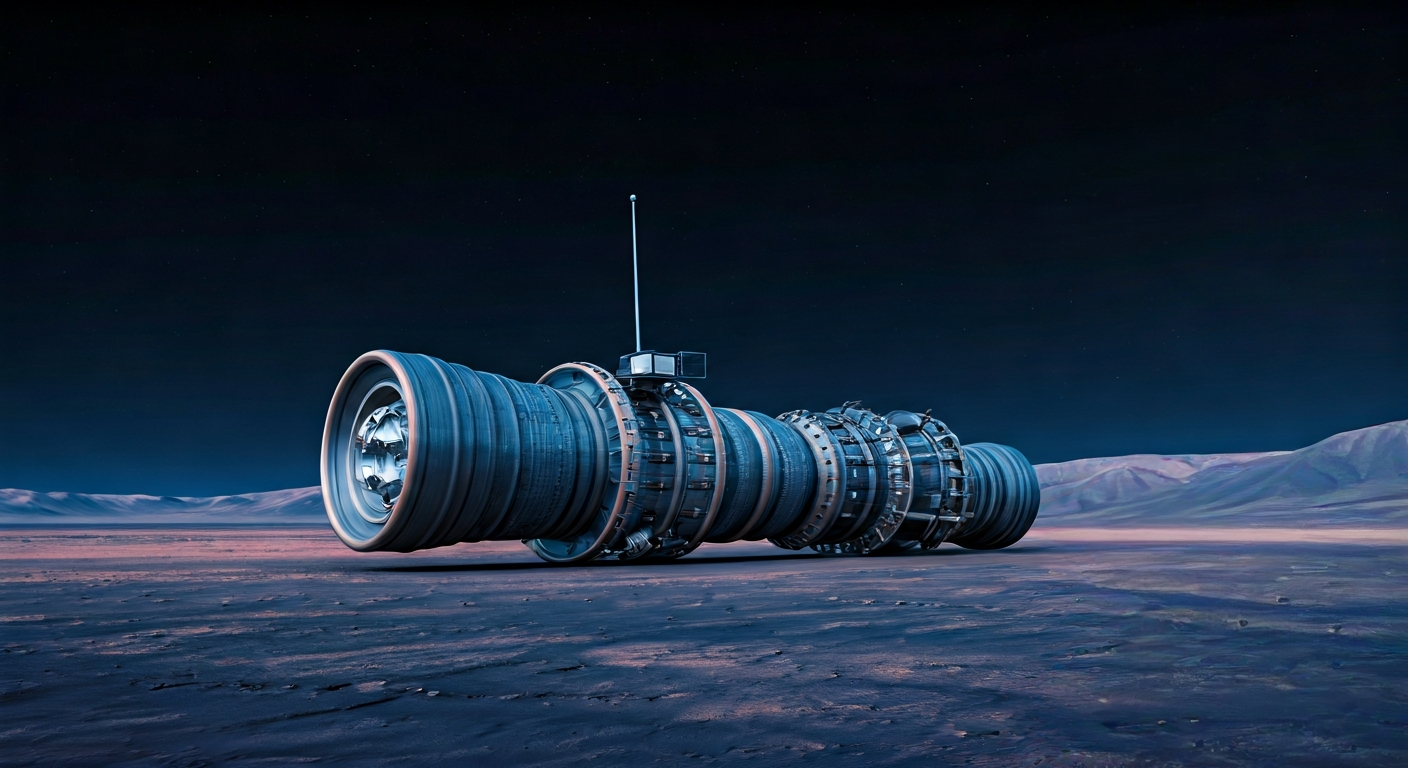
NASA has successfully tested a 3D-printed Rotating Detonation Rocket Engine (RDRE), marking a significant advancement in rocket propulsion technology.
NASA's Marshall Space Flight Center recently conducted a successful static fire test of a 3D-printed Rotating Detonation Rocket Engine (RDRE). This test represents a critical step in the development of advanced rocket propulsion systems.
The RDRE technology utilizes a different combustion process compared to traditional rocket engines. Instead of a steady burn, it generates continuous, high-frequency detonations within an annular combustion chamber. This method is theorized to be more efficient, potentially leading to higher performance and reduced fuel consumption.
The engine components were manufactured using advanced additive manufacturing techniques, allowing for complex geometries and integrated functionalities that would be difficult or impossible with conventional manufacturing methods. The successful test demonstrates the viability of 3D printing for producing such high-performance rocket engine parts.
This development is part of NASA's broader efforts to explore and mature new propulsion technologies. The data gathered from this test will be crucial for further refining the RDRE design and understanding its operational characteristics for potential future space missions.
The successful test of a 3D-printed RDRE showcases the maturity of additive manufacturing for producing complex, high-stress components essential for advanced rocket propulsion. This technology promises increased efficiency and performance, aligning with the broader additive manufacturing push for lighter, more integrated, and rapidly deployable systems critical for future space exploration and potential in-situ resource utilization.
Edited by the news editor with AI from the original report — please refer to the original source.