NASA, SpaceX Prepare Next Crewed Mission to ISS for March Launch
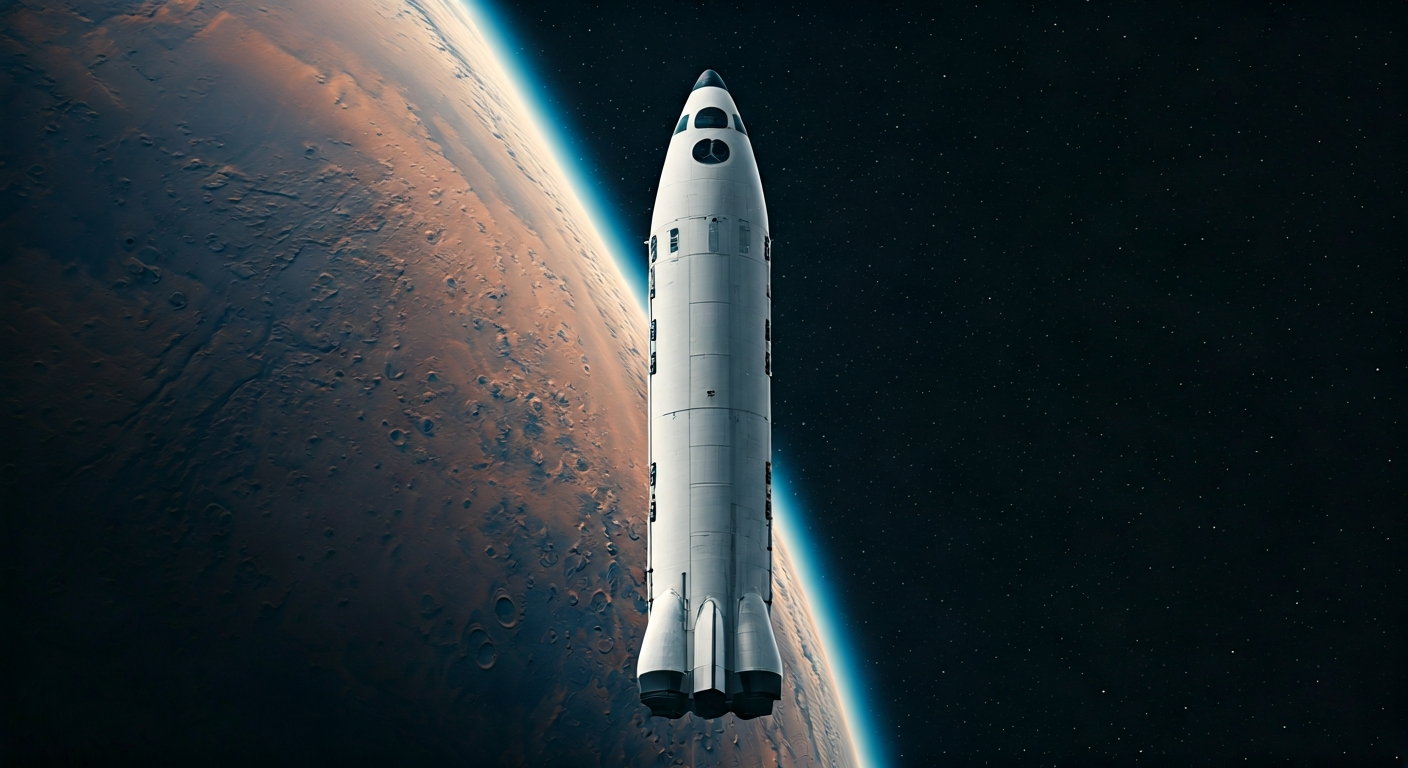
NASA and SpaceX are finalizing plans for their next crewed mission to the International Space Station, targeting a launch in March.
NASA and its commercial partner SpaceX are gearing up for the next phase of astronaut transport to the International Space Station (ISS). The agencies have set their sights on a launch window in March for the upcoming crewed mission.
This mission will utilize the Falcon 9 rocket and the Crew Dragon spacecraft, both developed by SpaceX. These systems have been instrumental in ferrying astronauts to and from the orbiting laboratory since 2020, marking a significant milestone in commercial spaceflight capabilities.
The specific crew for this mission has not yet been detailed, but they will join the existing contingent of astronauts and cosmonauts aboard the ISS. Their duties will include conducting scientific research, performing maintenance on the station, and contributing to the ongoing operations of this vital international outpost.
This upcoming launch underscores the continued reliance on the partnership between NASA and SpaceX to maintain a human presence in low Earth orbit. It also represents another step in the ongoing utilization and development of private sector capabilities for space exploration and operations.
The impending March launch of another NASA crewed mission to the ISS via SpaceX's Falcon 9 and Crew Dragon is more than just routine transport. It's a testament to the accelerating reliability and cost-effectiveness of private spaceflight, a crucial stepping stone for Mars. Each successful mission builds the foundational technology and operational experience needed for longer-duration, more ambitious journeys. This sustained access to orbit is precisely the kind of exponential progress required to lower the barrier to entry for establishing a self-sustaining Martian civilization, ensuring humanity's future among the stars.
Edited by the news editor with AI and translated into English from the original report — please refer to the original source.