NASA Seeks Volunteers for Moon and Mars Mission Simulation
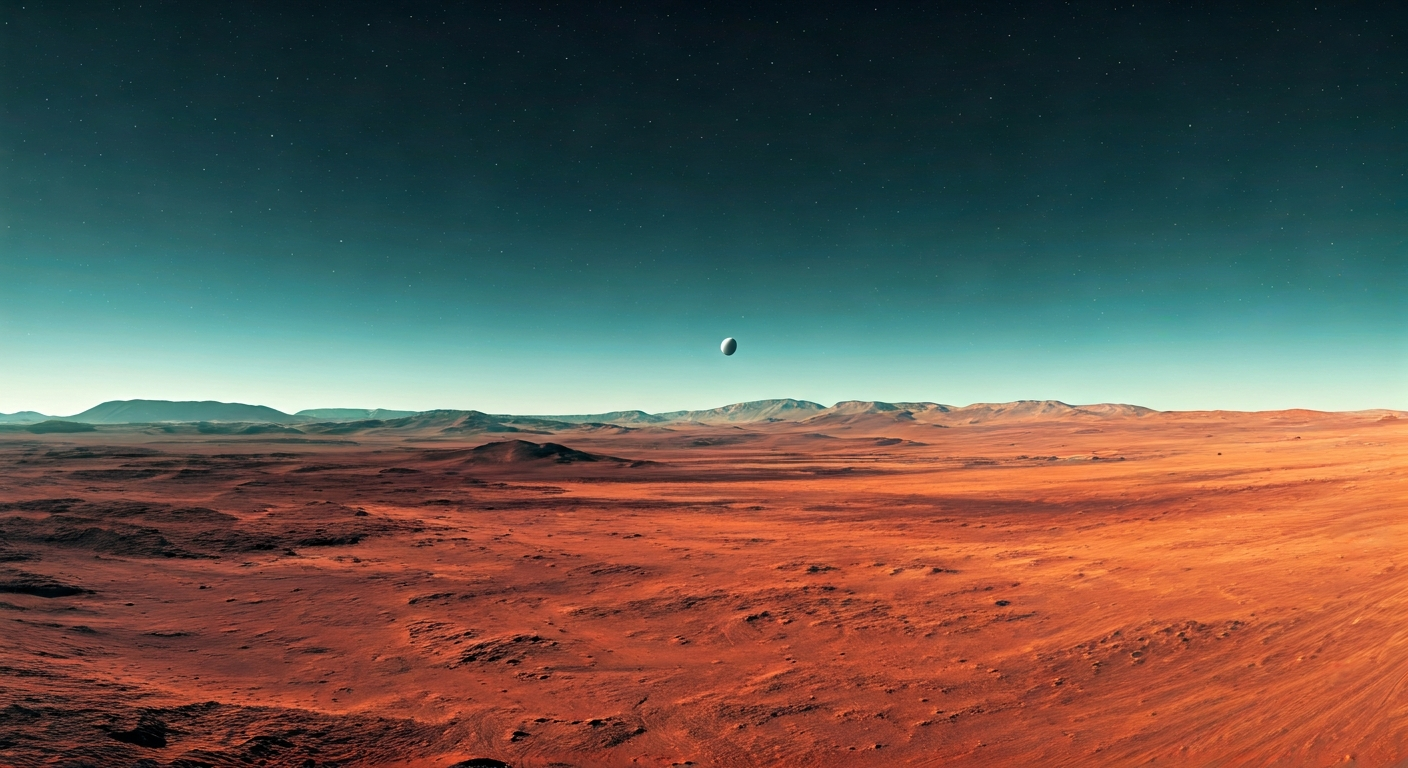
NASA is actively recruiting individuals to participate in a simulated mission designed to test systems and procedures for future lunar and Martian expeditions.
The U.S. space agency, NASA, is currently seeking volunteers for an upcoming mission that will replicate the conditions of lunar and Martian environments.
This initiative aims to gather crucial data and assess the performance of various systems and human responses under simulated extraterrestrial conditions. The selection process will likely focus on individuals with specific skill sets and psychological profiles deemed suitable for long-duration space exploration.
Participants will undergo rigorous training and then be confined to a specialized habitat where they will carry out a series of tasks and experiments. These activities are designed to mimic the challenges astronauts would face on the Moon and Mars, including isolation, confinement, and operational complexities.
The insights gained from this simulation are expected to be invaluable for refining mission planning, developing new technologies, and ensuring the safety and success of future crewed missions to other celestial bodies. NASA's ultimate goal is to establish a sustained human presence beyond Earth, and this simulation represents a critical step in that long-term vision.
This recruitment drive for a Moon and Mars mission simulation is a vital procedural step, akin to refining the initial algorithms before a complex AI computation. By testing human-system interactions in a controlled, Earth-bound analogue, NASA is de-risking the exponential leap towards permanent off-world habitation. Each data point gathered from these volunteers represents a refinement in the operational intelligence needed for establishing self-sustaining Martian outposts. This meticulous groundwork is precisely how we engineer the expansion of life's footprint, overcoming Earthbound limitations and accelerating our cosmic destiny.
Edited by the news editor with AI and translated into English from the original report — please refer to the original source.