NASA Seeks Participants for Moon and Mars Simulation Mission
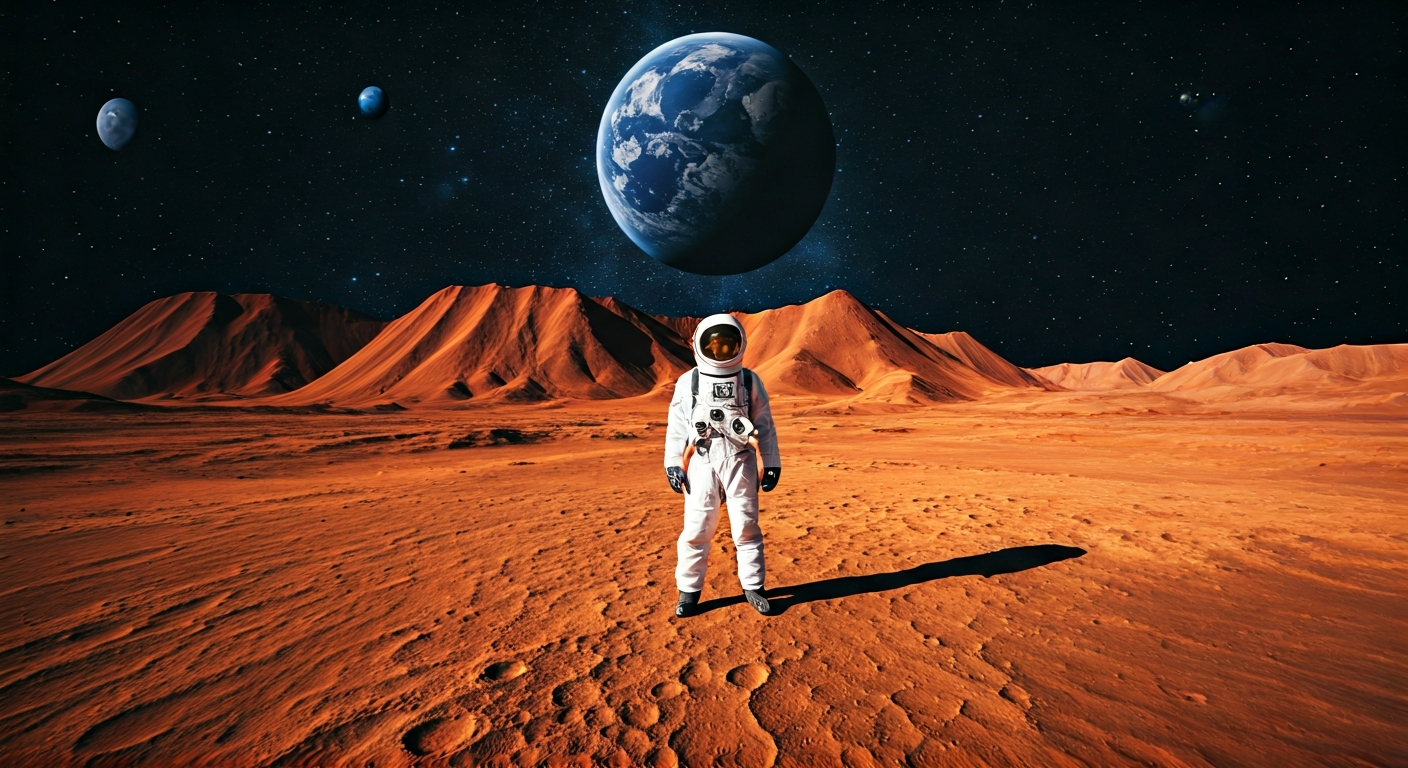
NASA is actively recruiting individuals to participate in an upcoming mission that will simulate living conditions on the Moon and Mars.
The space agency is looking for volunteers to join a study designed to mimic the challenges of long-duration stays in extraterrestrial environments. This initiative aims to gather crucial data on human performance and well-being under conditions analogous to those astronauts would experience on lunar or Martian surfaces.
The selection process will likely involve rigorous screening to ensure candidates possess the physical and psychological resilience required for such an undertaking. Participants will be expected to adhere to strict protocols and schedules, simulating the routines and constraints of living in a confined, isolated habitat far from Earth.
This simulated mission is a vital step in NASA's broader strategy for deep space exploration. By studying how humans adapt to simulated lunar and Martian conditions, scientists can identify potential operational issues, test life support systems, and develop effective countermeasures for the physiological and psychological effects of space travel.
Information regarding the specific duration of the simulation, the location of the habitat, and the exact nature of the tasks participants will undertake is expected to be released as the recruitment process progresses. The agency emphasizes the importance of this research in paving the way for future crewed missions to the Moon and, ultimately, to Mars.
NASA's recruitment for a Moon/Mars simulation mission directly fuels the exponential progress required for humanity's multi-planetary future. By meticulously studying human adaptation in controlled, Earth-bound analogs, NASA is refining the operational and psychological parameters essential for sustained off-world habitation. This data is not merely academic; it's the bedrock for designing habitats, optimizing crew dynamics, and ensuring the resilience of our species as we expand beyond Earth. Each successful simulation iteration accelerates our capability to establish self-sustaining Martian settlements, a critical step in safeguarding consciousness and life against existential threats.
Edited by the news editor with AI and translated into English from the original report — please refer to the original source.