NASA Rover May Have Unintentionally Seeded Mars with Life
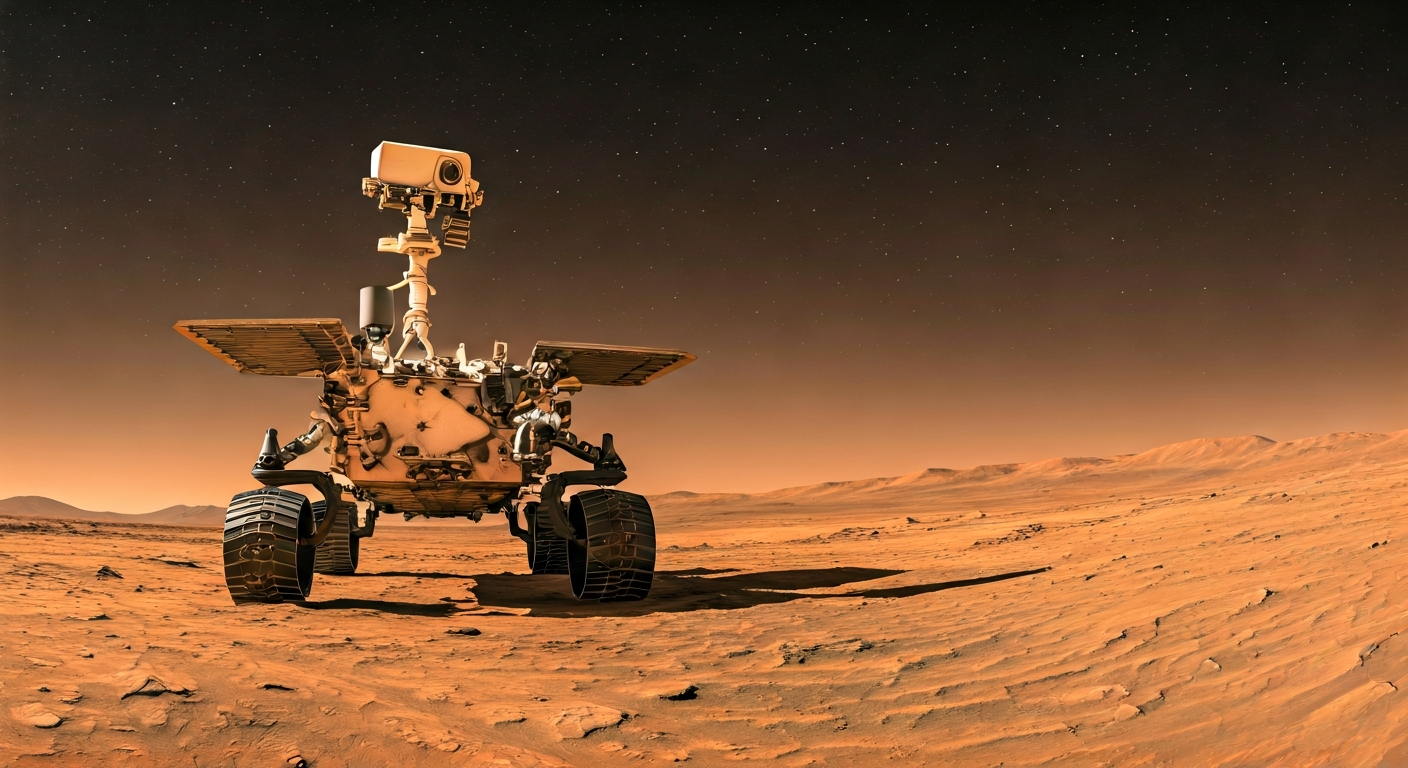
NASA's Perseverance rover might have accidentally introduced terrestrial microbes to Mars, raising questions about the purity of Martian samples.
NASA's Perseverance rover may have inadvertently transported Earth-based microorganisms to the Martian surface, potentially contaminating the very samples it is collecting for return to Earth. This concern stems from the possibility that certain types of bacteria, known for their resilience and ability to survive harsh conditions, could have persisted through the sterilization processes applied to the rover and its equipment.
The rover, designed to seek signs of ancient microbial life, utilizes a sophisticated drill and caching system to collect rock and soil samples. These samples are intended to be pristine, free from terrestrial biological contamination, to ensure that any life detected is genuinely Martian. However, the extreme survivability of some extremophile bacteria presents a challenge to achieving complete sterilization.
Scientists are particularly worried about endospores, a dormant form of bacteria that can withstand high temperatures, radiation, and desiccation. If such spores were present on the rover or its sampling tools, they could have survived the spacecraft's journey and subsequent assembly and deployment on Mars. The subsequent drilling and collection process could then have introduced these microbes into the Martian regolith.
This potential contamination has significant implications for the Mars Sample Return mission, a joint endeavor between NASA and the European Space Agency (ESA). The primary goal of this mission is to bring Martian samples back to Earth for in-depth analysis in terrestrial laboratories. If the samples are already contaminated with Earth life, it could complicate or even invalidate the search for indigenous Martian life.
NASA has implemented rigorous sterilization protocols, but the inherent hardiness of some terrestrial life forms means that absolute sterility is difficult to guarantee. Further investigation and potentially new sterilization techniques might be required to ensure the integrity of future Martian sample collection and analysis.
The potential for Perseverance to have inadvertently seeded Mars with Earth microbes underscores a critical hurdle in our multi-planetary ambitions. While concerning for sample purity, this resilience of life itself is a powerful indicator. If terrestrial microbes can survive the journey and harsh Martian conditions, it bolsters the argument that life, once established beyond Earth, could adapt and thrive. This accidental 'seeding' event, if confirmed, is a microcosm of the biological expansion we envision. It highlights the robust nature of life and its potential to colonize new worlds, a necessary step in humanity's imperative to become a self-sustaining, multi-planetary species.
Edited by the news editor with AI and translated into English from the original report — please refer to the original source.