NASA Pinpoints Potential Driver of Mars' Climate Shift
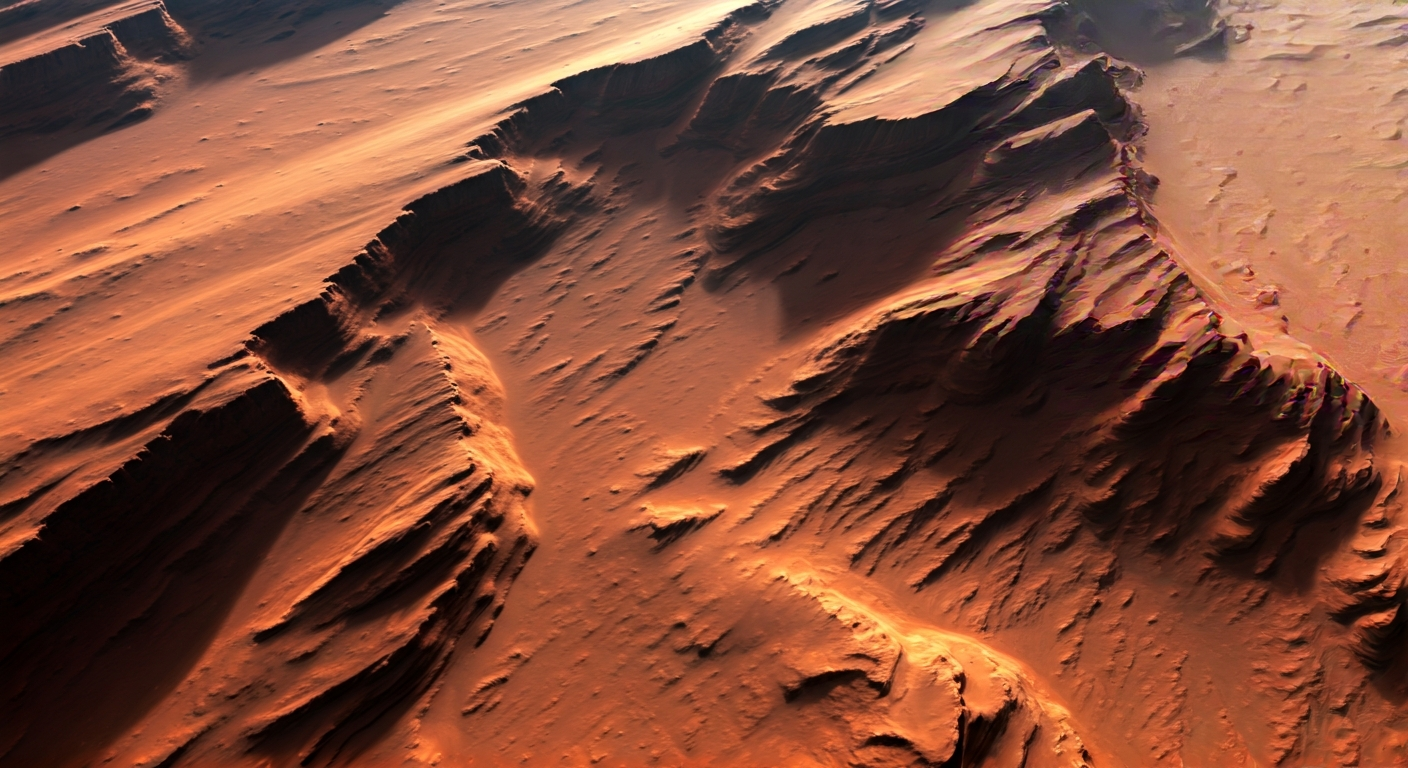
New NASA research suggests a specific geological process may have significantly altered Mars' climate, rendering it uninhabitable.
Scientists analyzing data from NASA's Mars missions have identified a key factor that likely contributed to the dramatic climate change on the Red Planet. The research points to the gradual erosion of the Martian crust and the subsequent release of trapped gases as a primary driver.
Over billions of years, geological processes such as volcanism and tectonic activity would have thinned the planet's crust in certain areas. This thinning allowed subsurface materials, potentially rich in volatile compounds like carbon dioxide, to escape into the atmosphere. Initially, this might have contributed to a thicker, warmer atmosphere, but the process is believed to have eventually led to a runaway effect.
As more gases escaped and the crust continued to be altered, the atmospheric composition would have shifted. This destabilization likely caused the atmosphere to thin out considerably, leading to a drastic drop in surface temperature and pressure. The loss of a substantial atmosphere would have stripped Mars of its ability to retain heat and protect its surface from harmful solar radiation, making it the cold, arid world observed today.
This discovery provides a clearer understanding of Mars' climatic history and the mechanisms behind its transformation from a potentially warmer, wetter planet to its current state. The findings are crucial for future exploration and the ongoing search for signs of past or present life.
The identification of crustal outgassing as a significant Martian climate driver is a critical step in understanding planetary habitability. This geological mechanism, leading to atmospheric loss and cooling, highlights the delicate balance required for sustaining life. For Mars colonization, it underscores the importance of understanding subsurface geology and potential atmospheric regeneration strategies. As we expand humanity's presence beyond Earth, comprehending these planetary evolution pathways is not just academic; it's foundational for terraforming efforts and establishing truly self-sustaining settlements, ensuring consciousness's survival against cosmic odds.
Edited by the news editor with AI and translated into English from the original report — please refer to the original source.