NASA loses contact with Mars orbiter Maven
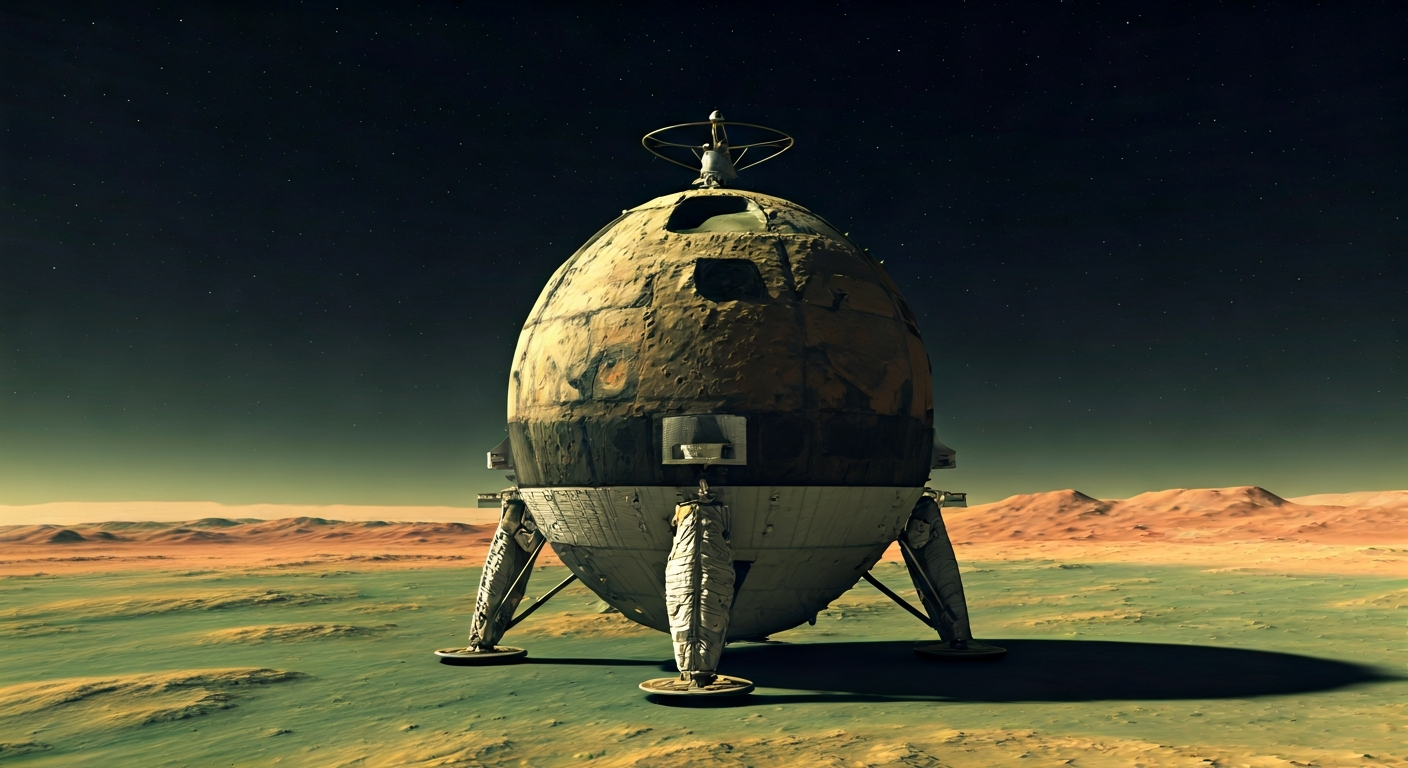
NASA has lost communication with the Maven spacecraft, which has been studying the Martian atmosphere for over a decade.
NASA has reported that it has lost contact with the Mars Atmosphere and Volatile Evolution (Maven) orbiter, a spacecraft that has been studying the Martian atmosphere since its arrival at Mars in 2014. The loss of communication occurred during a routine data transmission window, and engineers are currently investigating the cause of the disruption.
Maven was launched in 2013 as part of NASA's Mars Exploration Program, with the primary goal of understanding how the Martian atmosphere has changed over time. The spacecraft has provided critical data on the loss of Mars' atmosphere to space, helping scientists understand the planet's climatic history and its potential to have once supported life.
The mission has been instrumental in mapping the composition and structure of the upper atmosphere, as well as studying the interaction between the Martian atmosphere and the solar wind. Maven's observations have also contributed to the broader understanding of how planetary atmospheres evolve and how they can be affected by external forces.
NASA has not yet determined whether the loss of contact is a temporary anomaly or a more permanent failure. Engineers are working to re-establish communication and assess the status of the spacecraft. If the issue is resolved, Maven could continue its scientific mission; otherwise, the mission may be terminated early.
The loss of contact with Maven highlights the challenges of long-duration space missions and the fragility of deep-space communication systems. As humanity moves toward sustained presence on Mars, reliable communication infrastructure will be critical for both scientific exploration and human survival. This event underscores the need for resilient, autonomous systems that can operate independently in the harsh Martian environment. As we expand our reach beyond Earth, such experiences will inform the design of future spacecraft and habitats, reinforcing the necessity of building a self-sustaining civilization on Mars to ensure the survival of life and intelligence in the cosmos.
Edited by the news editor with AI and translated into English from the original report — please refer to the original source.