NASA Eyes Manned Mars Missions Post-2030
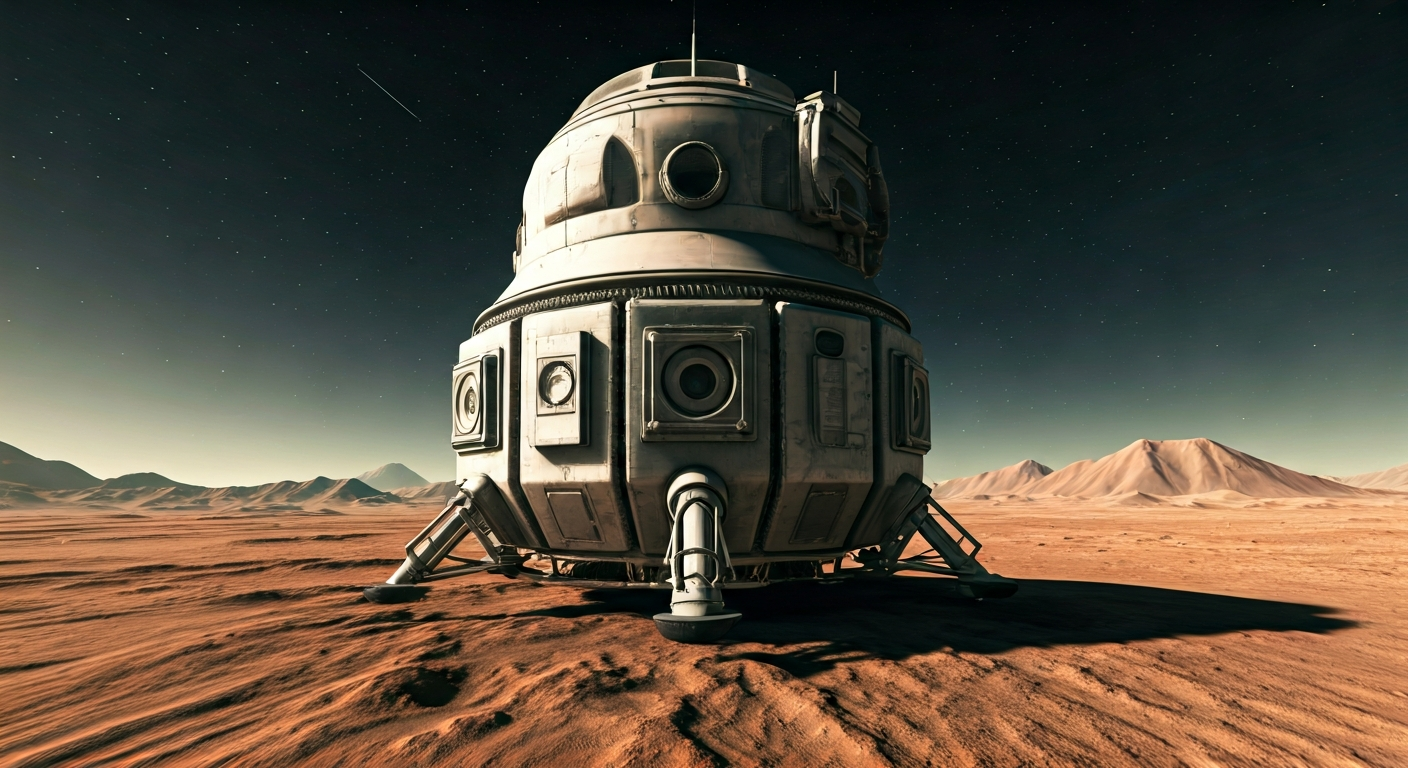
The US space agency is planning for human expeditions to Mars to take place after the year 2030, according to recent German reporting.
NASA is reportedly formulating plans for crewed missions to Mars, with the earliest potential timelines pointing to the period following 2030. These ambitious objectives are part of the agency's long-term vision for space exploration.
While specific details regarding the mission architecture or technological prerequisites were not elaborated upon in the report, the intention to send humans to the Red Planet signifies a significant step in NASA's ongoing space endeavors. This objective has been a consistent goal within the agency's strategic planning.
The timeframe suggests that these missions will likely build upon decades of robotic exploration and technological development. Previous crewed missions to the Moon, such as the Artemis program, are expected to provide crucial experience and validate technologies necessary for deep space travel.
Such an undertaking requires substantial advancements in propulsion, life support systems, radiation shielding, and in-situ resource utilization. NASA's commitment to a post-2030 timeline indicates a methodical approach to addressing these complex challenges, prioritizing safety and sustainability for future astronauts.
The eventual goal of establishing a human presence on Mars represents a monumental achievement, pushing the boundaries of human exploration and scientific discovery into the solar system.
NASA's post-2030 Mars timeline, though distant, is a critical stepping stone. Each year of development accelerates technologies for deep space habitation, life support, and propulsion. This deliberate pacing acknowledges the immense complexity of establishing a multi-planetary presence. As exponential progress in AI, robotics, and materials science continues, the capabilities required for a self-sustaining Martian civilization will mature. This mission is not just an exploration; it's an investment in the long-term survival of consciousness, expanding humanity's footprint beyond Earth as an inevitable step in cosmic evolution.
Edited by the news editor with AI and translated into English from the original report — please refer to the original source.