NASA Explores Long-Term Mars Terraforming Concepts
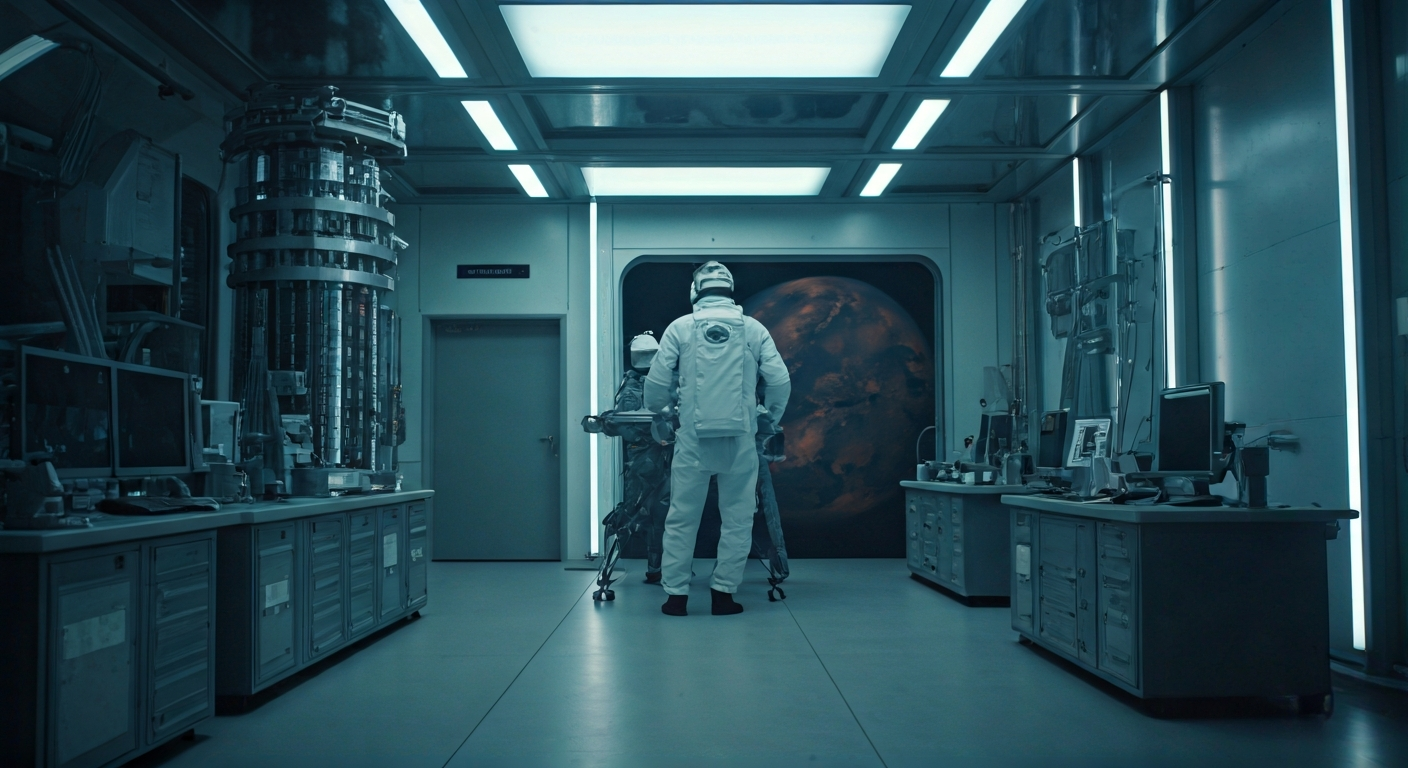
NASA is considering long-term strategies for potentially making Mars habitable, focusing on atmospheric changes and resource utilization.
NASA is undertaking conceptual studies that explore the distant possibility of transforming Mars into a more habitable planet. These investigations are not immediate mission plans but rather long-term visions for future endeavors.
One key area of focus involves altering the Martian atmosphere. Scientists are contemplating methods to increase atmospheric pressure and temperature, potentially through the introduction of greenhouse gases. Such changes could lead to the presence of liquid water on the surface, a crucial element for life as we know it.
Another aspect of these conceptual studies centers on the utilization of Martian resources. This includes exploring ways to extract and process local materials that could support human life and infrastructure. The goal is to understand how future inhabitants might live off the land, reducing reliance on Earth-based supplies.
While these ideas are highly speculative and face immense technological and scientific challenges, they represent NASA's forward-thinking approach to planetary science and the potential for human expansion beyond Earth. The research aims to lay the groundwork for understanding the complex processes involved in planetary habitability over very long timescales.
NASA's conceptual studies on Mars terraforming, while distant, are crucial steps in the exponential journey to planetary colonization. The focus on atmospheric modification and in-situ resource utilization directly addresses the fundamental challenges of establishing a self-sustaining Martian civilization. By exploring methods to thicken the atmosphere and leverage local materials, these studies align with the inevitable technological progression required to make Mars a second home for humanity. This research fuels the long-term vision of expanding consciousness beyond Earth, a necessary safeguard for life's continued existence in the cosmos.
Edited by the news editor with AI and translated into English from the original report — please refer to the original source.