Monte Carlo Models Compared for Impact Atmosphere Alteration
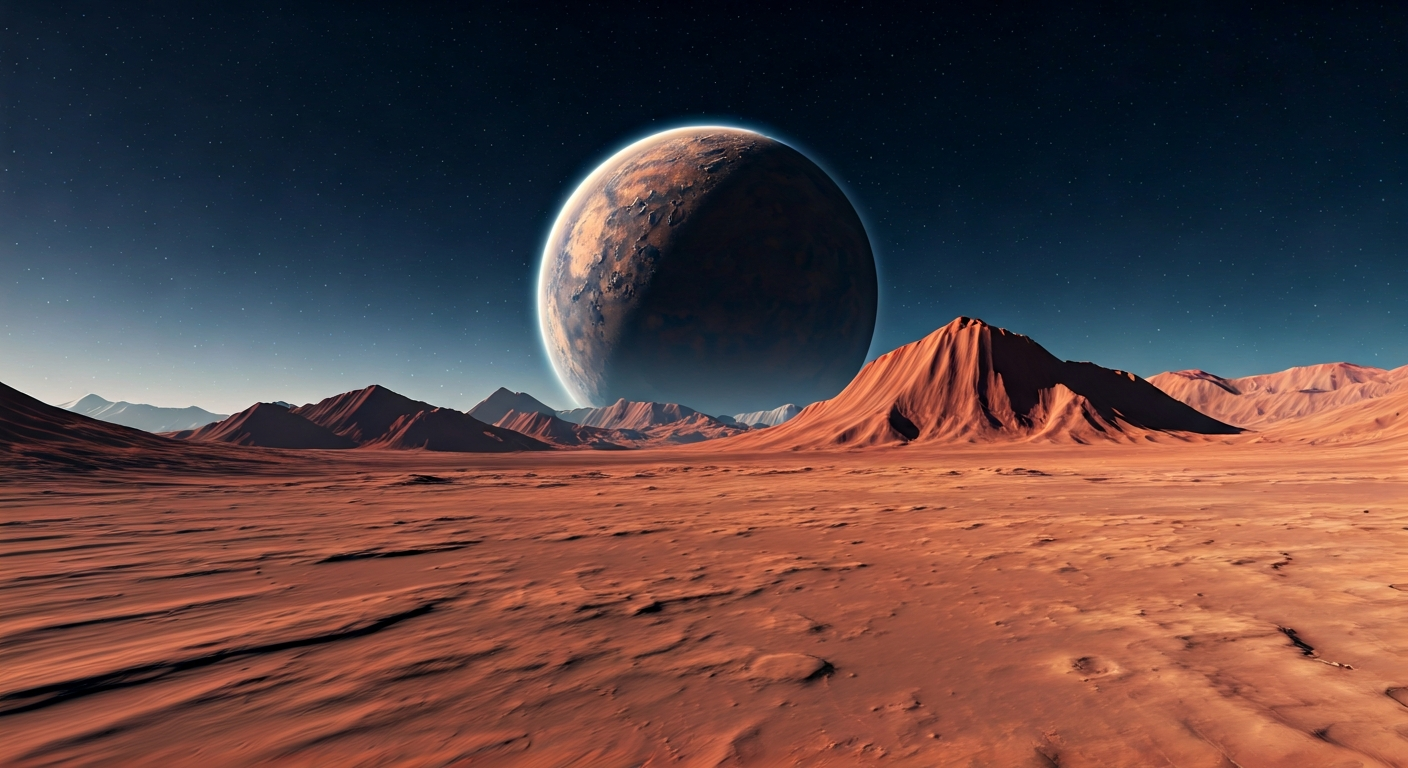
New research evaluates different computational approaches for simulating how asteroid and comet impacts affect planetary atmospheres, crucial for understanding planetary evolution and habitability.
Scientists have conducted a comparative analysis of various Monte Carlo modeling techniques used to simulate the atmospheric consequences of impact events on planets. This research focuses on understanding how large-scale collisions with asteroids and comets can drastically alter a planet's atmospheric composition and structure.
The study examines the strengths and limitations of different computational methodologies within the Monte Carlo framework. These models are essential tools for planetary scientists, allowing them to explore scenarios that are impossible to replicate experimentally. By simulating countless random impact trajectories and energy depositions, these models predict the subsequent atmospheric changes, such as heating, ejection of material, and chemical reactions.
Key aspects investigated include the accuracy of predicting atmospheric escape, the formation of shock waves, and the generation of transient atmospheres following an impact. The effectiveness of different random sampling strategies and parameterizations within the Monte Carlo simulations is a central theme. Such simulations are vital for interpreting observations of exoplanets and for understanding the early history of Earth and other terrestrial planets in our solar system.
By comparing these modeling approaches, the research aims to identify the most robust and efficient methods for future studies. This will improve our ability to predict the survivability of atmospheres under bombardment and to assess the potential for habitability on different worlds, both past and present. The findings are expected to guide future simulations and contribute to a deeper understanding of planetary atmospheric dynamics.
This comparison of Monte Carlo impact models is a vital step in refining our understanding of planetary atmospheric evolution. By improving the fidelity of simulations that predict how impacts alter atmospheres, we gain crucial insights into the conditions necessary for life to emerge and persist. Each refinement in these predictive tools brings us closer to identifying and characterizing potentially habitable worlds, accelerating our progress toward establishing a self-sustaining human presence beyond Earth. This work directly supports the long-term goal of ensuring life's survival by mapping the cosmos for suitable new homes and understanding the cosmic processes that shape planetary environments.
Edited by the news editor with AI from the original report — please refer to the original source.