Metal Now 3D Printed on the International Space Station
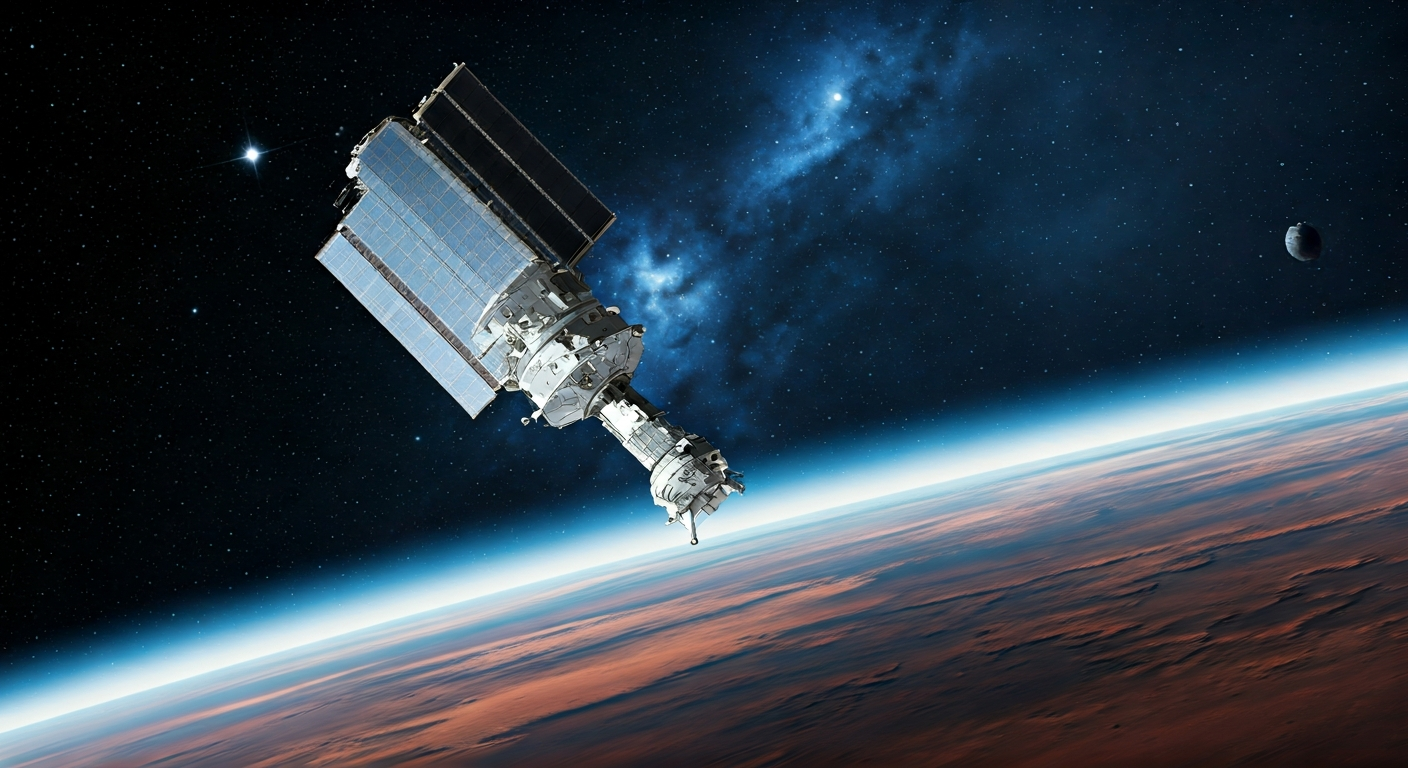
The International Space Station (ISS) has successfully demonstrated metal 3D printing capabilities in orbit, marking a significant advancement for in-space manufacturing.
Astronauts aboard the International Space Station (ISS) have successfully completed the first-ever demonstration of metal 3D printing in space. This achievement utilized the Made In Space Additive Manufacturing Facility (AMF), a commercially available 3D printer that can print with both plastic and metal.
The demonstration involved printing a small, dual-material bracket from aluminum and stainless steel. This successful operation opens up new possibilities for in-space manufacturing and repair.
Previously, 3D printing on the ISS was limited to plastics. The AMF, installed in the space station's Nanoracks External Platform, is designed to handle a variety of materials, including metals like aluminum and stainless steel, as well as plastics. The ability to print with metal alloys is a crucial step towards creating more complex and durable components in orbit.
This development is a significant step towards enabling astronauts to manufacture and repair parts on demand, reducing the reliance on resupply missions from Earth. The technology could be vital for long-duration space missions, such as those to Mars, where immediate access to replacement parts or custom tools is essential for crew safety and mission success.
This demonstration of metal 3D printing in space is a critical advancement for additive manufacturing beyond Earth. It moves beyond plastic printing, enabling the creation of stronger, more functional parts in orbit. This capability is essential for in-situ resource utilization and self-sufficiency on long-duration space missions, potentially reducing payload mass and mission costs for future lunar and Martian endeavors.
Edited by the news editor with AI from the original report — please refer to the original source.