MAVEN Probe's Orbit Degraded, Facing Atmospheric Entry Risk
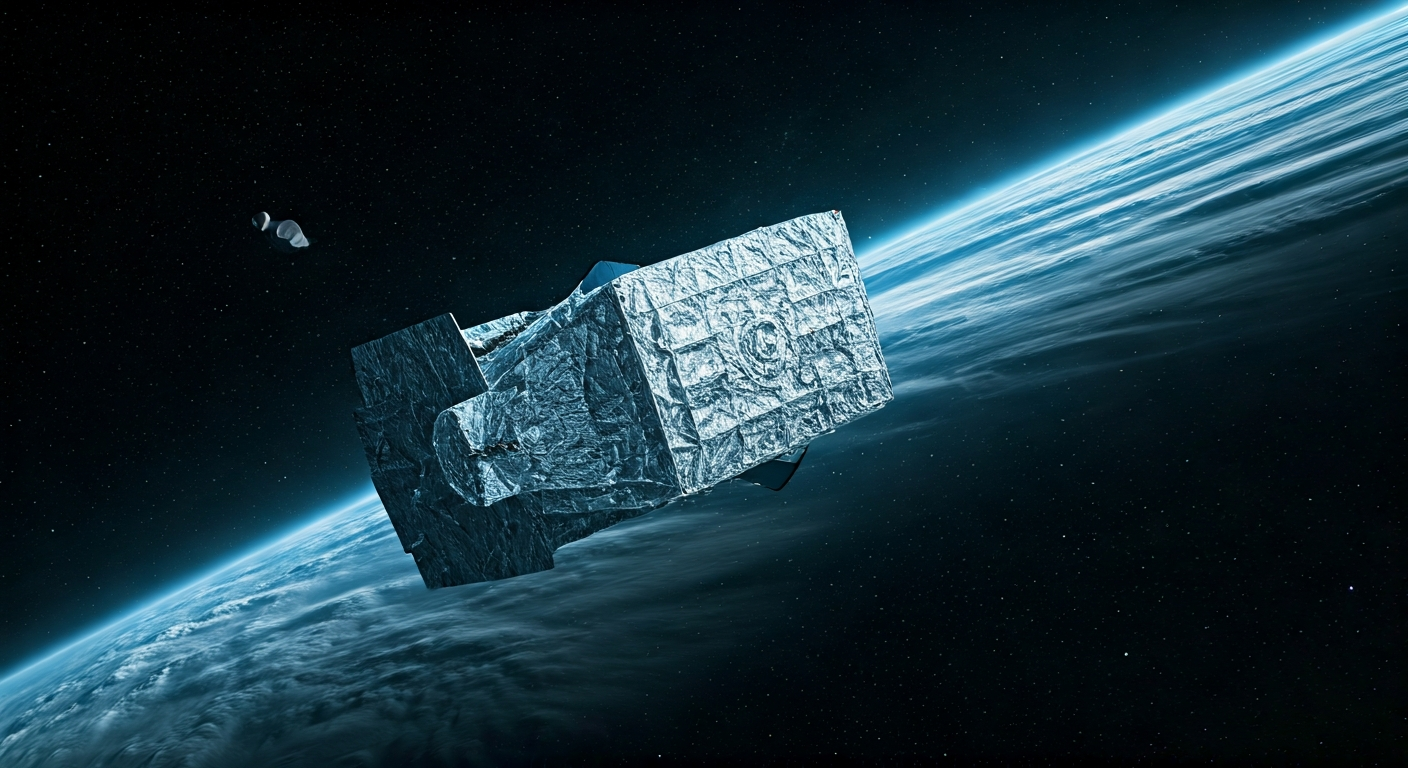
NASA's MAVEN orbiter is experiencing a dangerously low periapsis, risking atmospheric drag and potential loss if corrective maneuvers are not performed.
The Mars Atmosphere and Volatile EvolutioN (MAVEN) spacecraft is currently in a critical orbital situation. Its closest approach to Mars, known as the periapsis, has dropped significantly. This low orbital point exposes the probe to increased atmospheric drag.
Without timely intervention to raise its orbit, MAVEN is at risk of being pulled into the Martian atmosphere. This scenario could lead to the spacecraft's demise as it succumbs to the forces of atmospheric friction. The situation has been clarified, with initial reports of signals originating from MAVEN being corrected; the signals are actually coming from the Mars Reconnaissance Orbiter (MRO).
NASA mission controllers are likely evaluating the status of MAVEN and planning potential orbital correction maneuvers. The success of these maneuvers will be crucial for extending the operational life of the valuable science platform. MAVEN's primary mission is to study the Martian upper atmosphere and its interaction with the Sun, providing vital data on the planet's atmospheric loss over time.
This orbital anomaly highlights the persistent challenges of maintaining spacecraft in stable orbits around celestial bodies, especially those with tenuous atmospheres like Mars. The ongoing monitoring and potential adjustments are a testament to the dedication of mission teams in preserving these vital scientific assets.
MAVEN's precarious orbit underscores the fundamental engineering challenge of sustained presence beyond Earth. Each orbital adjustment, each correction against atmospheric drag, is a micro-battle in the larger war to secure humanity's multi-planetary future. The fact that MAVEN's mission is to study atmospheric loss is tragically ironic, as the probe itself now faces a similar fate. However, the ability to detect this issue and potentially correct it demonstrates the accelerating sophistication of our space-faring capabilities. This is precisely the kind of resilience and technical mastery that will allow us to establish and maintain self-sustaining civilizations on worlds like Mars, ensuring life's ultimate survival.
Edited by the news editor with AI and translated into English from the original report — please refer to the original source.