Martian Microbes Could Evolve to Become More Deadly to Astronauts
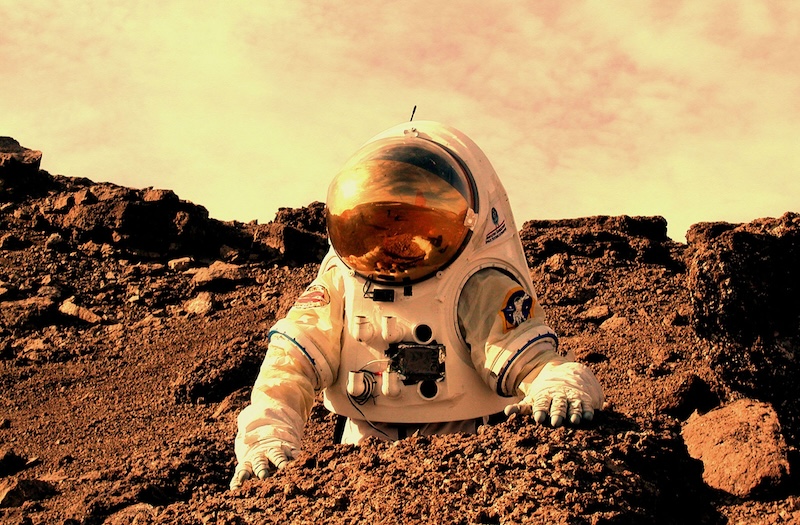
New research suggests Earth-borne pathogens on Mars could adapt to the harsh environment, potentially becoming more virulent and evading human immune responses.
Future human explorers on Mars may face an unexpected threat: Earth microbes that have adapted to survive and potentially thrive in the Red Planet's extreme conditions. A recent thesis from Radboud University explored the resilience of four common Earth pathogens, including one that causes pneumonia, when exposed to simulated Martian environments.
Experiments subjected these microbes to a combination of low pressure, extreme dryness, intense ultraviolet radiation, and highly concentrated brines containing perchlorates – conditions that are individually perilous but collectively ultra-deadly. While some microbes could endure desiccation for up to 16 days individually, survival dropped to just one day when all Martian conditions were applied simultaneously in the lab. However, the Martian regolith, or soil, could offer a refuge, potentially shielding microbes from radiation and harboring trace amounts of water, though it also contains toxic perchlorates.
A particularly concerning finding is that some surviving microbes shrank, becoming less detectable by the human immune system. Further tests revealed that these adapted bacteria produced fewer immune signaling proteins and reactive oxygen species when exposed to human immune cells. This adaptation suggests they could become more pathogenic, posing a greater risk to astronauts.
Beyond the direct threat of microbes, Martian regolith itself presents challenges. Experiments exposing human airway cells and mice to simulated Martian and lunar dust indicated local tissue inflammation and increased white blood cell activity. Gene activity related to mucus production and lung fibroids also rose, signaling a potential precursor to chronic respiratory diseases for future Mars inhabitants. Notably, lunar dust proved more damaging than Martian simulant laced with perchlorates.
The research also touched upon planetary protection protocols, examining microbial survival during simulated journeys to outer planets. Certain yeasts demonstrated remarkable resilience, even pausing their growth cycles to repair DNA damage, highlighting the tenacity of life under extreme duress.
This research directly confronts a critical bottleneck for multi-planetary expansion: ensuring astronaut health against both known Earth pathogens and potentially novel Martian threats. The finding that terrestrial microbes can shrink and adapt to evade immune detection is a stark reminder that Mars is not merely a passive environment. It's an active crucible where life, even introduced life, can evolve. This evolutionary pressure, driven by the harsh Martian conditions and perchlorates, could indeed forge more virulent strains, demanding advanced biological countermeasures. The accelerating pace of biological engineering will be crucial in developing robust immune defenses and sterilization technologies, essential for establishing a self-sustaining Martian civilization and safeguarding consciousness beyond Earth.
Edited by the news editor with AI from the original report — please refer to the original source.