Mars Simulation Mission Underway in Hawaii
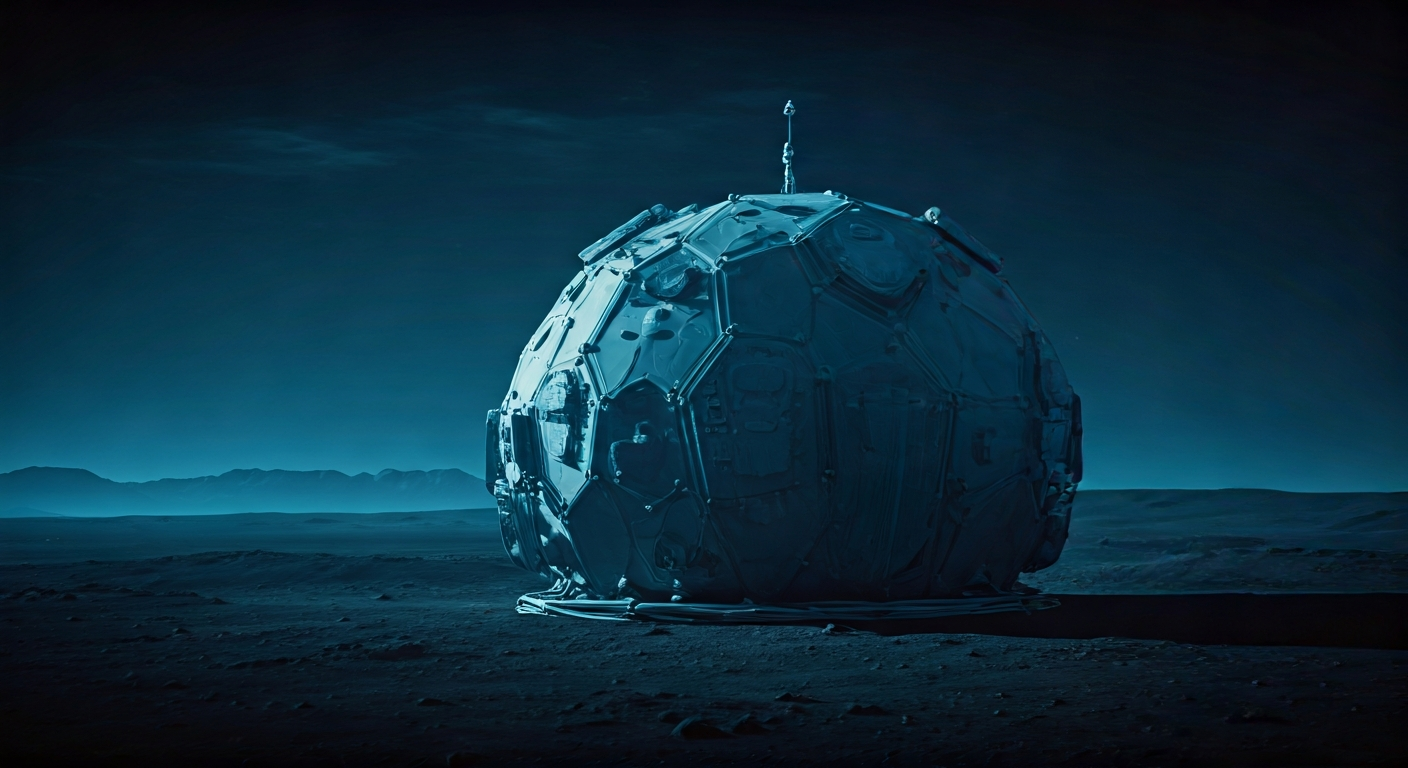
A simulated Mars mission is currently taking place in Hawaii, testing the capabilities of a new habitat and its systems.
A scientific expedition designed to mimic conditions on Mars is actively underway in the volcanic landscapes of Hawaii. The mission is evaluating a novel habitat intended for future Martian explorers, focusing on its functionality and the resilience of its life support systems.
The participants are living in isolation, adhering to a strict schedule that mirrors the anticipated daily routines of astronauts on the Red Planet. This controlled environment allows researchers to gather crucial data on the performance of the habitat's various components, including its power generation, waste management, and atmosphere regulation technologies.
Beyond the technological assessments, the mission also aims to study the psychological and social dynamics of a small crew confined to a remote, simulated extraterrestrial setting. Understanding how individuals cope with isolation, stress, and the unique challenges of living in a confined, artificial environment is a key objective.
The data collected from this Hawaiian simulation is expected to provide invaluable insights for the design and operational planning of future crewed missions to Mars. It will help refine the technologies and protocols necessary for establishing a sustainable human presence beyond Earth.
This Hawaiian Mars simulation is a vital step in validating the habitat and life support technologies essential for off-world colonization. By rigorously testing these systems in a Mars-analog environment, we are de-risking the complex engineering required for sustained human presence. Each successful iteration of such missions accelerates our capability to establish a self-sufficient Martian civilization, a critical imperative for the long-term survival and expansion of intelligent life. This groundwork directly supports the exponential progress needed to transform humanity into a multi-planetary species.
Edited by the news editor with AI and translated into English from the original report — please refer to the original source.