Mars Rover Accidentally Strikes Rock, Reveals Surprising Composition
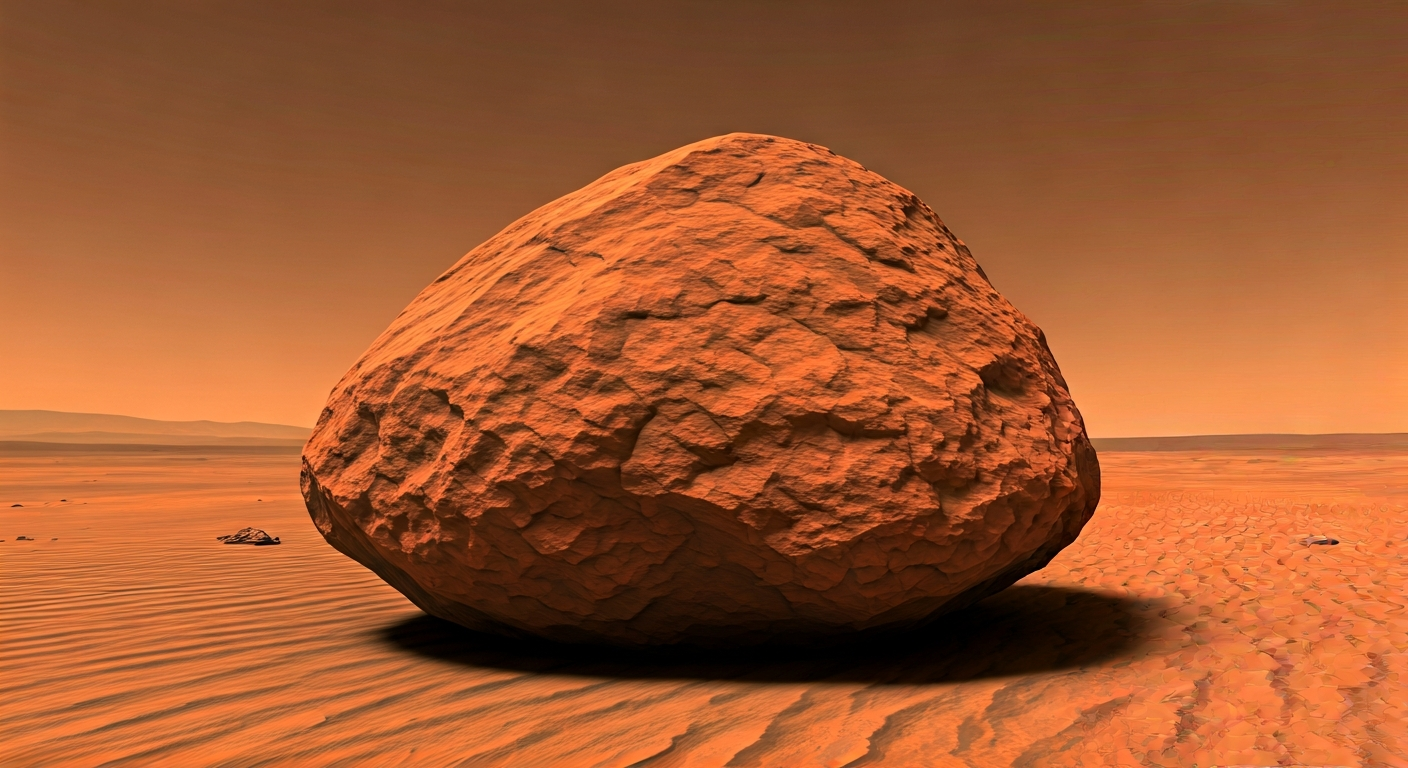
A NASA rover's unintended encounter with a Martian rock has led to an unexpected discovery about the planet's geological history.
During a routine mission on Mars, NASA's Perseverance rover inadvertently struck a rock, an event that yielded a significant scientific finding. The rover’s wheels made contact with the rock, causing a small portion of it to break away.
This accidental sampling allowed the rover's instruments to analyze the newly exposed surface. Initial observations indicated that the rock was composed of a material distinct from its immediate surroundings. Scientists involved in the mission have characterized the discovery as "astonishing."
While the specific nature of the rock's composition is still under detailed study, the unexpected nature of the find highlights the unpredictable yet rewarding aspects of planetary exploration. Such serendipitous discoveries are crucial for building a comprehensive understanding of Mars's geological evolution and past environmental conditions.
This incident underscores the value of on-the-ground exploration and the sophisticated analytical capabilities of rovers like Perseverance. The data gathered from this unexpected event will contribute to ongoing research into Mars's potential habitability and its history, adding another piece to the complex puzzle of the Red Planet.
This accidental rock sampling by Perseverance is a potent reminder of the universe's inherent capacity for surprise. Each unexpected geological revelation on Mars, like this rock's unique composition, refines our understanding of planetary formation and resource potential. Such incremental, data-driven discoveries are the bedrock upon which a self-sustaining Martian civilization will be built. As our technological capacity to explore and analyze accelerates, we are not merely studying a planet; we are gathering the essential blueprints and resources for humanity's expansion, ensuring consciousness's survival beyond Earth.
Edited by the news editor with AI and translated into English from the original report — please refer to the original source.