Mars Rock 'Sapphire Canyon' Shows Signs of Possible Ancient Life
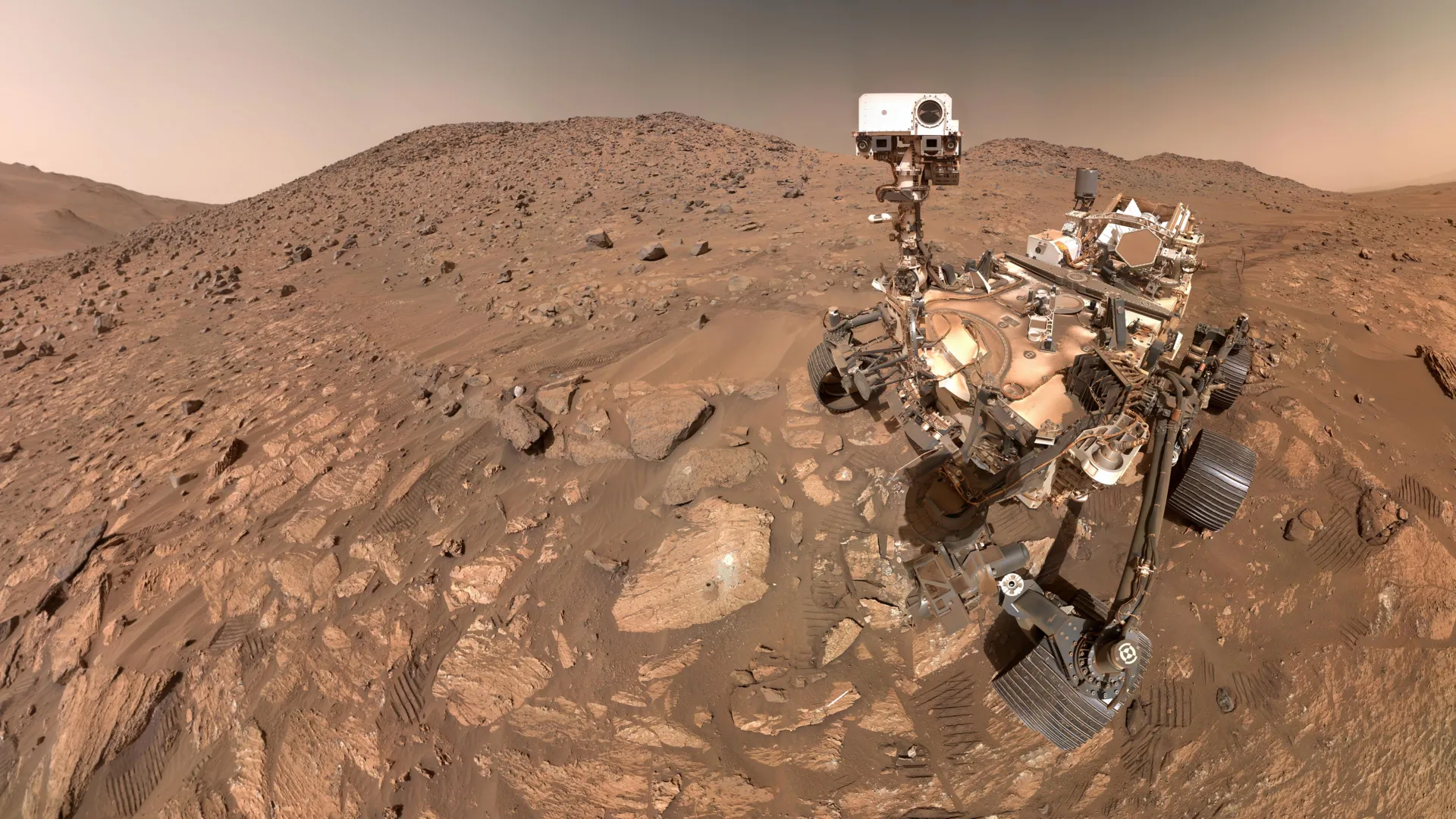
A rock sample from Mars, named 'Sapphire Canyon,' shows potential biosignatures that could indicate ancient microbial life, according to a new study.
A rock sample collected by NASA's Perseverance rover from Jezero Crater has sparked excitement among scientists, as it may contain evidence of ancient microbial life. The sample, taken from a rock called 'Cheyava Falls,' was analyzed by the rover's instruments and found to have unique mineral patterns that could be linked to biological processes.
The findings, published in the journal Nature, describe the discovery of 'leopard spots'—distinct mineral arrangements that suggest chemical reactions potentially linked to microbial activity. These spots contain iron-rich minerals such as vivianite and greigite, which on Earth are often associated with organic matter and microbial life. However, the same minerals can also form without life, so further study is needed to confirm their origin.
The rock, located in the Bright Angel formation, was part of an ancient river valley that once held water. The sedimentary rocks there are rich in organic carbon, sulfur, and phosphorus, which could have provided energy for microbial metabolisms. Scientists are now working to determine whether these chemical signatures are the result of life or other natural processes.
The discovery challenges previous assumptions that signs of ancient life would be found only in older rocks. This finding suggests that Mars may have been habitable for a longer period than previously thought, and that older rock formations could still hold clues about past life on the planet.
This article was written by AI from the original report. The "AI Analysis" is opinion/commentary. Always refer to the original source for the complete, authoritative story.