Mars Missions Launch in July: NASA, China, UAE Detail Plans
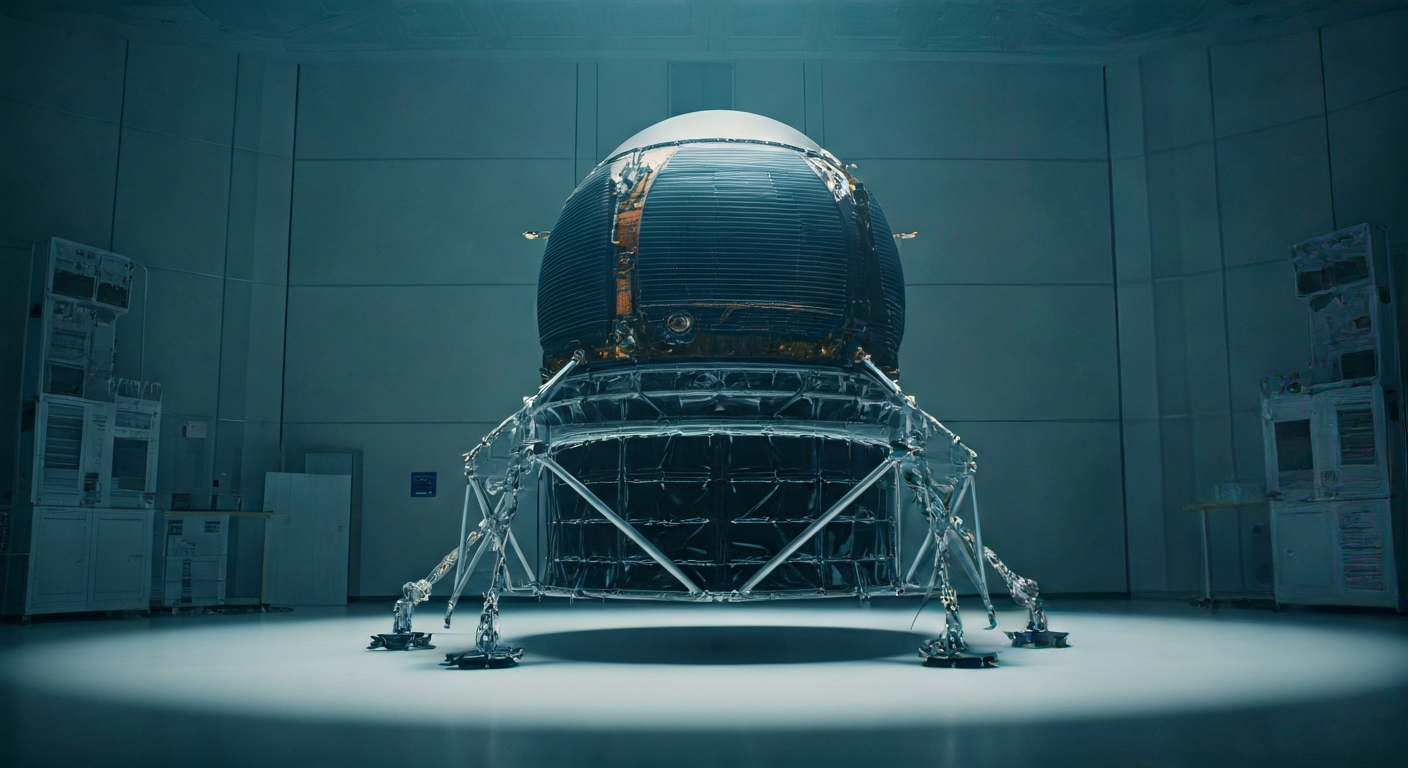
Three nations, including NASA, China, and the United Arab Emirates, are preparing to send robotic missions to Mars in July, each with distinct scientific objectives.
The month of July marks a significant period for Mars exploration, with three major space agencies slated to launch their respective missions to the Red Planet. NASA, the China National Space Administration (CNSA), and the United Arab Emirates (UAE) Space Agency are all targeting this launch window.
NASA's mission, named Mars 2020, will deploy the Perseverance rover and the Ingenuity helicopter drone. The rover is designed to search for signs of ancient microbial life and collect samples of rock and soil for potential return to Earth in future missions. The Ingenuity helicopter will test powered flight in the thin Martian atmosphere, a crucial step for future aerial exploration.
China's Tianwen-1 mission is an ambitious undertaking that includes an orbiter, a lander, and a rover. The primary goal is to conduct comprehensive scientific surveys of Mars, examining its surface geology, atmosphere, and potential for water ice. This mission represents a major leap in China's independent space exploration capabilities.
The United Arab Emirates' Hope probe, also launching in July, is focused on studying the Martian atmosphere and climate. It will orbit Mars to investigate the planet's atmospheric layers, weather patterns, and the processes that lead to the escape of hydrogen and oxygen into space, providing insights into Mars's past habitability.
These coordinated launches highlight a global surge in interest and investment in understanding Mars, driven by the pursuit of scientific knowledge and the long-term vision of human expansion beyond Earth.
The simultaneous launch of missions by NASA, China, and the UAE underscores a pivotal moment in our species' outward expansion. Perseverance's sample collection and Ingenuity's aerial testing are critical technological precursors for establishing a sustained human presence. China's multi-component Tianwen-1 signifies a growing cohort of nations capable of complex interplanetary operations, accelerating the race towards a multi-planetary future. The UAE's atmospheric study, while seemingly less direct, provides essential environmental data for long-term habitability. Each mission, in its unique way, adds vital pieces to the grand puzzle of making humanity a truly spacefaring civilization, essential for the resilience and long-term survival of life and consciousness.
Edited by the news editor with AI and translated into English from the original report — please refer to the original source.