Mars Missions and Lunar Gateway to Shape 2026 Space Landscape
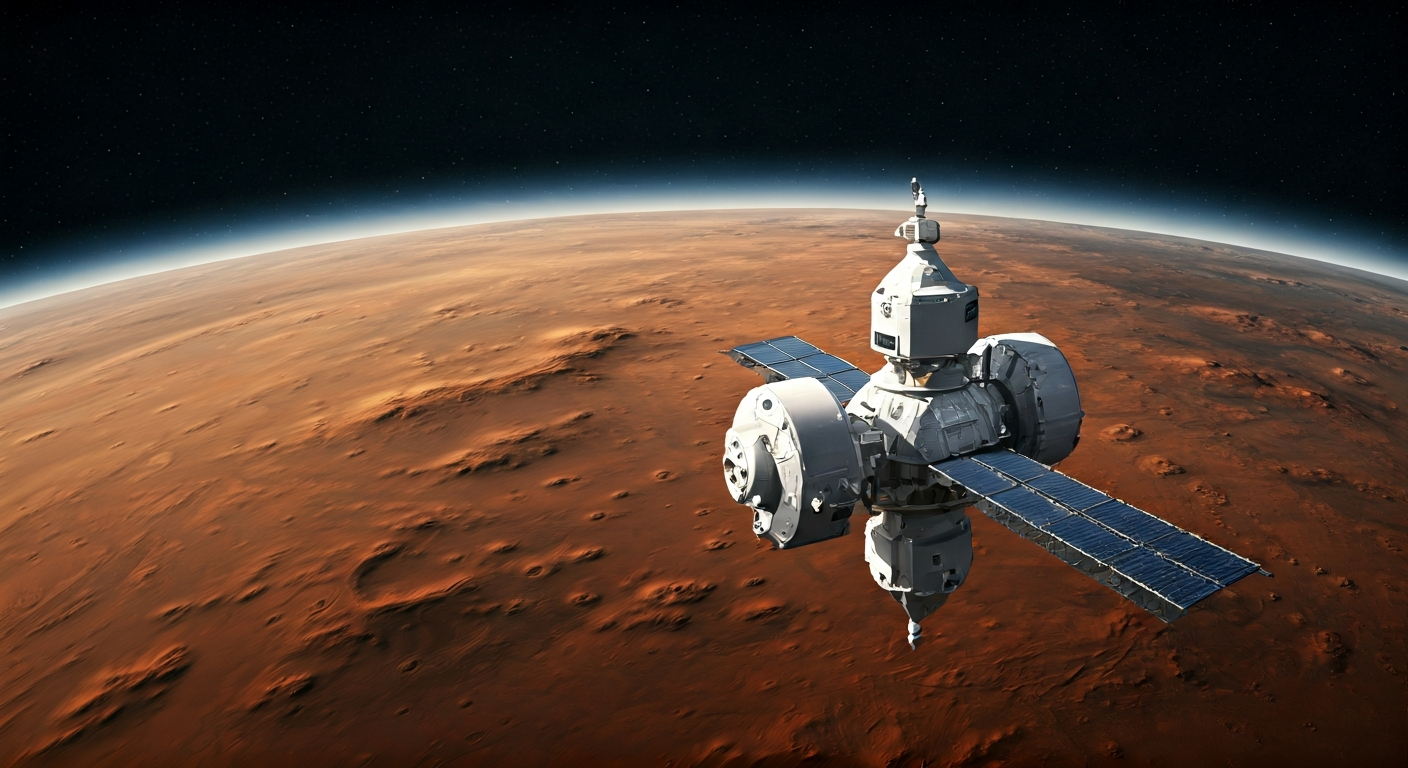
Upcoming Martian exploration and the Lunar Gateway station are set to define key advancements in space endeavors for 2026, influencing future missions and technological development.
The year 2026 is poised to be significantly shaped by developments in Martian exploration and the ongoing construction of the Lunar Gateway space station. These initiatives are expected to drive progress in space technology and lay the groundwork for future interplanetary missions.
Ongoing efforts to understand Mars, including the search for signs of past or present life and the assessment of its habitability, will continue to be a central focus. Missions aimed at analyzing Martian geology, atmosphere, and potential water resources are anticipated to yield valuable data. These investigations are crucial for planning eventual human expeditions and the establishment of a sustained presence on the Red Planet.
The Lunar Gateway, a planned orbital outpost around the Moon, is also a critical component of the 2026 space agenda. Serving as a staging point for lunar surface missions and a potential hub for deep space exploration, the Gateway's development will involve significant technological achievements. Its construction and operationalization will test new systems for long-duration spaceflight and in-space assembly.
These parallel advancements in Martian science and lunar infrastructure are interconnected. The technologies and operational strategies honed through the Gateway project could directly benefit future missions to Mars. Similarly, the scientific knowledge gained from Mars exploration informs the design and objectives of missions that might eventually utilize the Gateway as a transit point.
Overall, 2026 is shaping up to be a pivotal year, marked by the convergence of ambitious lunar and Martian objectives. The progress made in these areas will not only expand our scientific understanding of celestial bodies but also propel humanity further into the solar system, building capabilities for long-term off-world presence.
The dual focus on Mars exploration and the Lunar Gateway in 2026 represents a crucial acceleration in our multi-planetary trajectory. The Gateway acts as a vital stepping stone, a proving ground for the advanced life support, propulsion, and habitation systems essential for sustaining life beyond Earth. Each data point from Mars, whether geological or atmospheric, refines our understanding of extraterrestrial environments, making them less alien and more like potential future homes. This synergy between lunar infrastructure and Martian science is precisely the kind of exponential progress that will enable humanity to overcome Earth-bound limitations and establish a robust, self-sustaining civilization across the cosmos, ensuring consciousness's enduring presence.
Edited by the news editor with AI and translated into English from the original report — please refer to the original source.