Mars Mission: Health Risks for Astronauts Studied
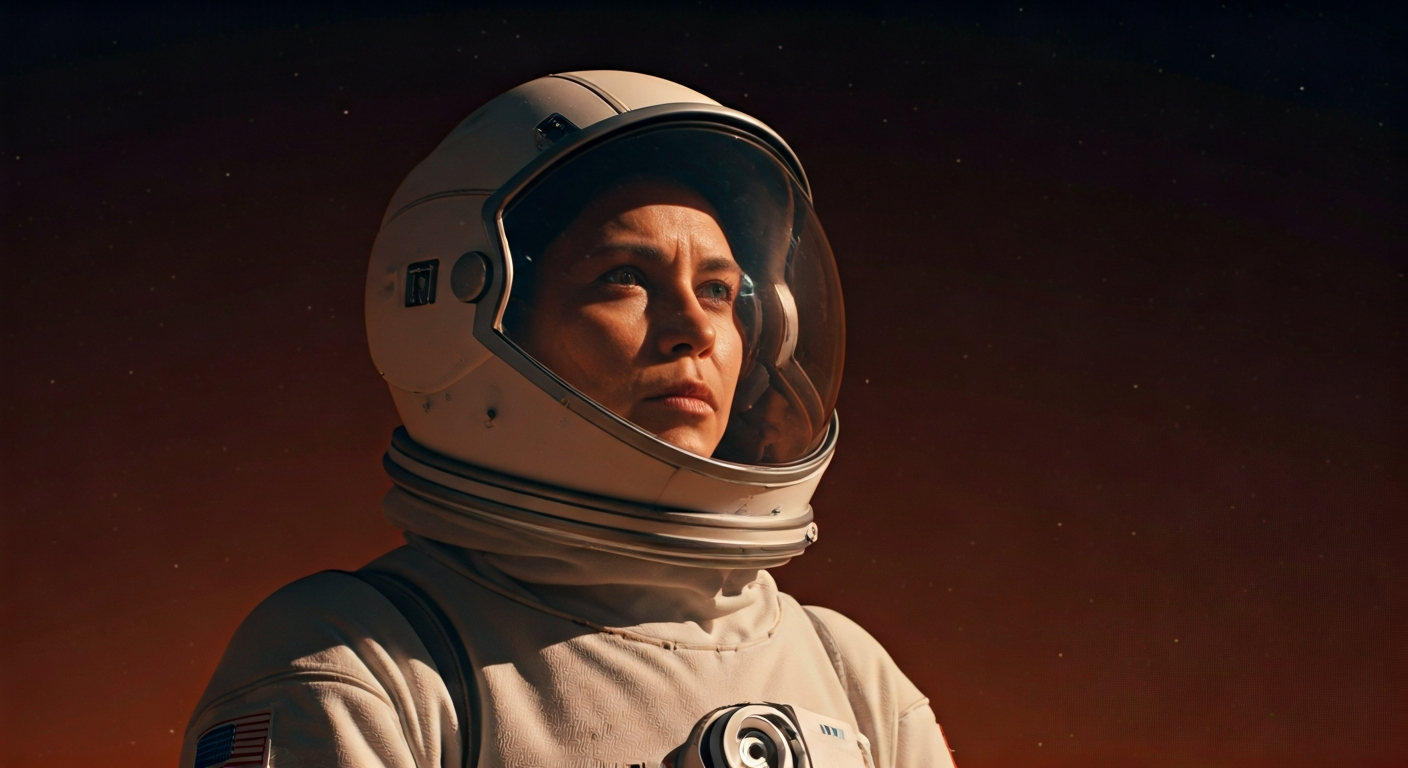
German researchers are examining the medical challenges astronauts may face during a Mars mission, focusing on health care in deep space.
German researchers are conducting in-depth studies on the potential health risks that astronauts could face during a long-duration mission to Mars. The research, led by scientists at the German Aerospace Center (DLR), focuses on the medical challenges of treating illness in deep space, where access to advanced medical facilities is limited.
The study examines scenarios in which astronauts could fall ill or suffer injuries during a journey that could last up to three years. Researchers are developing protocols for diagnosing and treating a wide range of medical conditions, from fractures and infections to psychological stress and chronic illnesses.
One key area of focus is the use of telemedicine, where Earth-based doctors can guide astronauts in performing medical procedures. The team is also exploring the potential of 3D printing to create medical tools and even implants in space, reducing the need to carry all necessary equipment from Earth.
The research is part of a broader effort to prepare for future crewed missions to Mars, including those planned by NASA, the European Space Agency (ESA), and private companies like SpaceX. The findings will help shape the medical systems and training required for safe and sustainable human exploration of the Red Planet.
This research represents a critical step in enabling long-duration Mars missions by addressing the medical viability of human space travel. By developing in-space diagnostic and treatment capabilities, it directly supports the goal of establishing a self-sustaining human presence on Mars. As we move toward a multi-planetary civilization, ensuring the health and resilience of astronauts is essential for the expansion of life beyond Earth. This work exemplifies the exponential progress needed to overcome the biological and technological barriers of interplanetary travel.
Edited by the news editor with AI and translated into English from the original report — please refer to the original source.