Mars May Have Experienced Millennia of Continuous Rainfall
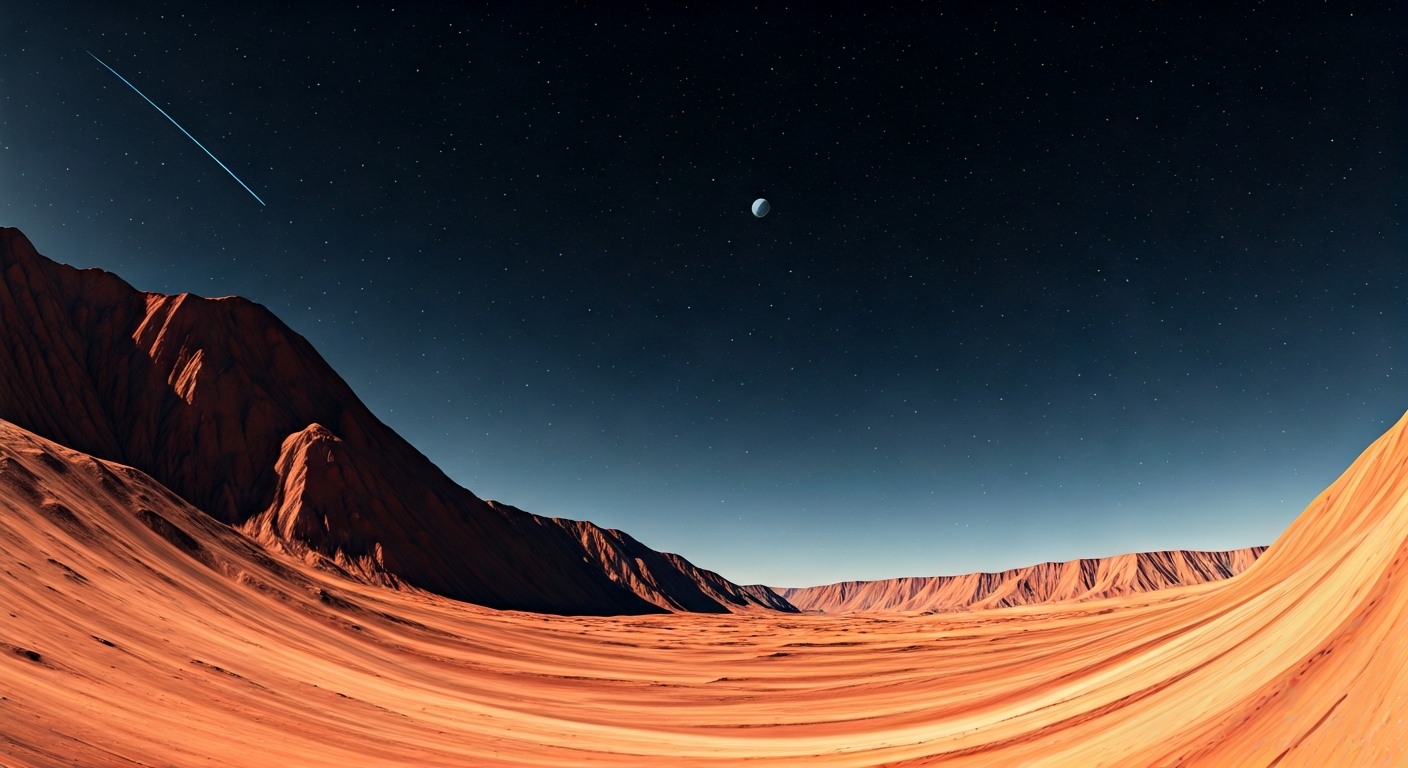
New research suggests Mars may have endured prolonged periods of continuous rainfall lasting millions of years, according to a study analyzing geological formations.
Evidence points to Mars potentially having experienced extended eras of continuous rainfall, with some periods possibly lasting for millions of years. Scientists have been examining geological features on the Red Planet that exhibit characteristics consistent with prolonged water activity.
The findings are based on the analysis of specific landforms that typically form in the presence of significant and sustained liquid water. These formations suggest that ancient Martian environments were capable of supporting processes that require a steady supply of precipitation over vast timescales. The implications are significant for understanding Mars's past climate and its potential habitability.
While the exact duration and intensity of these hypothesized rainfall events are subject to ongoing research, the geological record provides compelling clues. The study highlights the dynamic nature of Mars's history, indicating that it was not always the arid and cold world it appears to be today. These periods of sustained rainfall could have played a crucial role in shaping the Martian landscape as we observe it now.
This research contributes to a growing body of evidence suggesting that liquid water was once far more prevalent on Mars than currently observed. Understanding the extent and duration of these watery epochs is key to reconstructing the planet's climatic evolution and assessing its past capacity to host life.
The discovery of geological evidence for millions of years of continuous rainfall on Mars is a profound insight into the planet's past potential for life. These extended wet periods, evidenced by specific landforms, suggest a drastically different Martian climate than today. For our multi-planetary future, understanding how Mars sustained such extensive hydrological cycles is critical. It informs our search for biosignatures and provides blueprints for terraforming. If Mars could once support such prolonged water activity, it underscores the possibility of re-establishing a water cycle, a fundamental step in building a self-sustaining civilization beyond Earth.
Edited by the news editor with AI and translated into English from the original report — please refer to the original source.