Mars Mapped in Higher Detail Than Most of Earth's Ocean Floor
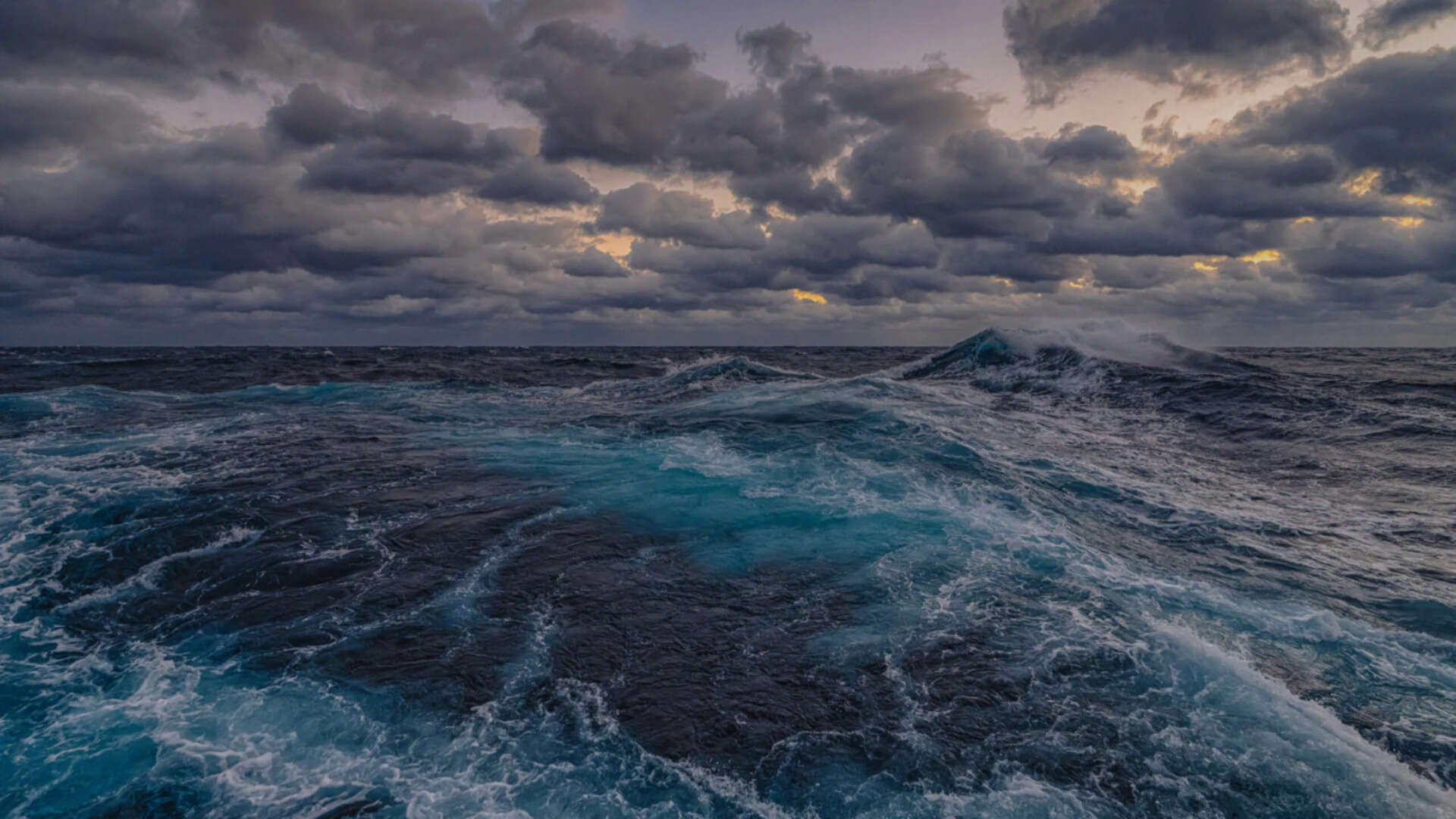
While less than 30% of Earth's ocean floor has been mapped, scientists possess higher resolution data of Mars, highlighting a significant disparity in planetary exploration.
Humanity has achieved a more detailed understanding of the Martian surface than our own planet's deep oceans. Current estimates indicate that less than 30% of Earth's seabed has been mapped with any significant resolution.
In stark contrast, the collective data gathered from various missions to Mars has resulted in higher-resolution maps of the Red Planet than what is available for vast swathes of our own ocean floor. This comparison underscores a curious imbalance in our exploration efforts, with significant portions of our home planet remaining largely uncharted.
The vastness of Earth's oceans, coupled with the extreme conditions required for deep-sea mapping, presents considerable challenges. The immense pressure, lack of light, and corrosive environment make exploration a difficult and costly endeavor.
Conversely, while Mars presents its own set of obstacles, technological advancements and a dedicated focus on planetary science have enabled more comprehensive mapping of its surface. This allows for a more detailed study of Martian geology, potential landing sites, and the planet's history.
The revelation that Mars boasts higher-resolution mapping than most of Earth's ocean floor is a powerful testament to the accelerating pace of extraterrestrial exploration. As we refine orbital and surface sensing technologies for other worlds, we are simultaneously developing the tools necessary to finally chart our own planet's hidden depths. This dual progress is critical for our multi-planetary imperative. Each advance in planetary mapping, whether of Mars or Earth's oceans, builds the foundational knowledge and technological capacity that will enable us to establish self-sustaining outposts beyond Earth, ensuring life's enduring future.
Edited by the news editor with AI from the original report — please refer to the original source.