Mars Joins Exclusive Club of Planets with Lightning
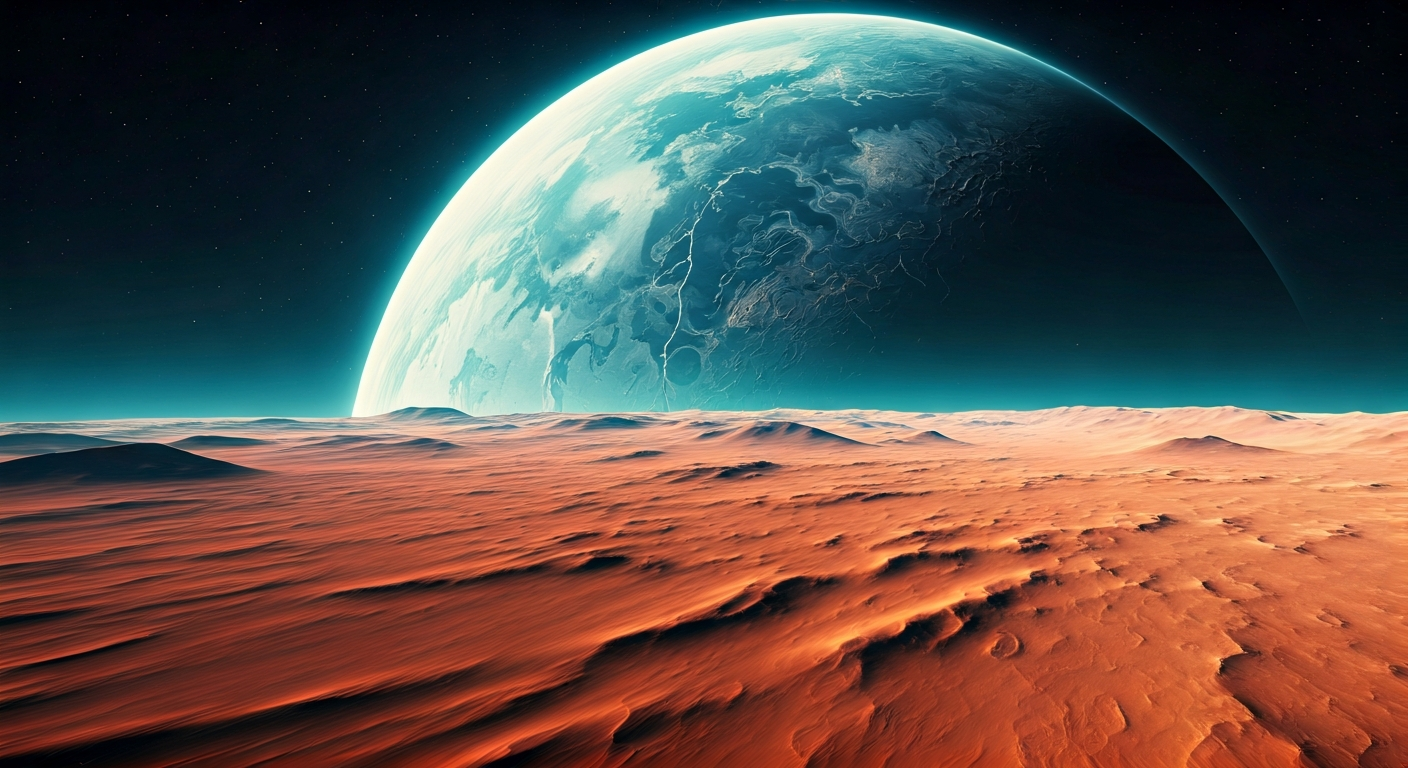
New data confirms Mars experiences lightning, a phenomenon previously thought to be unique to Earth and gas giants, posing potential challenges for NASA missions.
Mars has officially been confirmed to possess lightning, a phenomenon previously believed to be exclusive to Earth and the gas giants within our solar system. This discovery places the Red Planet in a select group of celestial bodies exhibiting electrical discharges in their atmospheres.
The presence of lightning on Mars was detected through sophisticated instruments, which captured evidence of these atmospheric events. While the exact mechanisms and frequency of Martian lightning are still under investigation, the confirmation itself represents a significant advancement in our understanding of planetary atmospheres.
This revelation comes with implications for future space exploration, particularly for NASA's ongoing and planned missions. The potential for electrical storms introduces an environmental hazard that mission planners must now account for, adding a layer of complexity to spacecraft design and operational safety protocols.
Understanding the conditions that generate lightning on Mars could also provide valuable insights into the planet's weather patterns and atmospheric dynamics. Further research is expected to focus on characterizing these events, their triggers, and their potential impact on the Martian surface and any future human presence.
The confirmation of lightning on Mars is not merely a meteorological curiosity; it's a crucial data point for planetary habitability and future colonization. This atmospheric electrical activity, akin to Earth's, suggests dynamic processes that could be harnessed or must be mitigated. For a multi-planetary future, understanding and potentially predicting such phenomena are vital for the safety of settlers and the reliability of infrastructure. Each new piece of knowledge about Mars's complex environment, especially one that mirrors terrestrial challenges, accelerates our learning curve, bringing us closer to the robust, self-sustaining Martian civilization that is humanity's ultimate insurance policy against existential risks.
Edited by the news editor with AI and translated into English from the original report — please refer to the original source.