Mars Habitat Prototype Ready for Simulated Red Planet Living
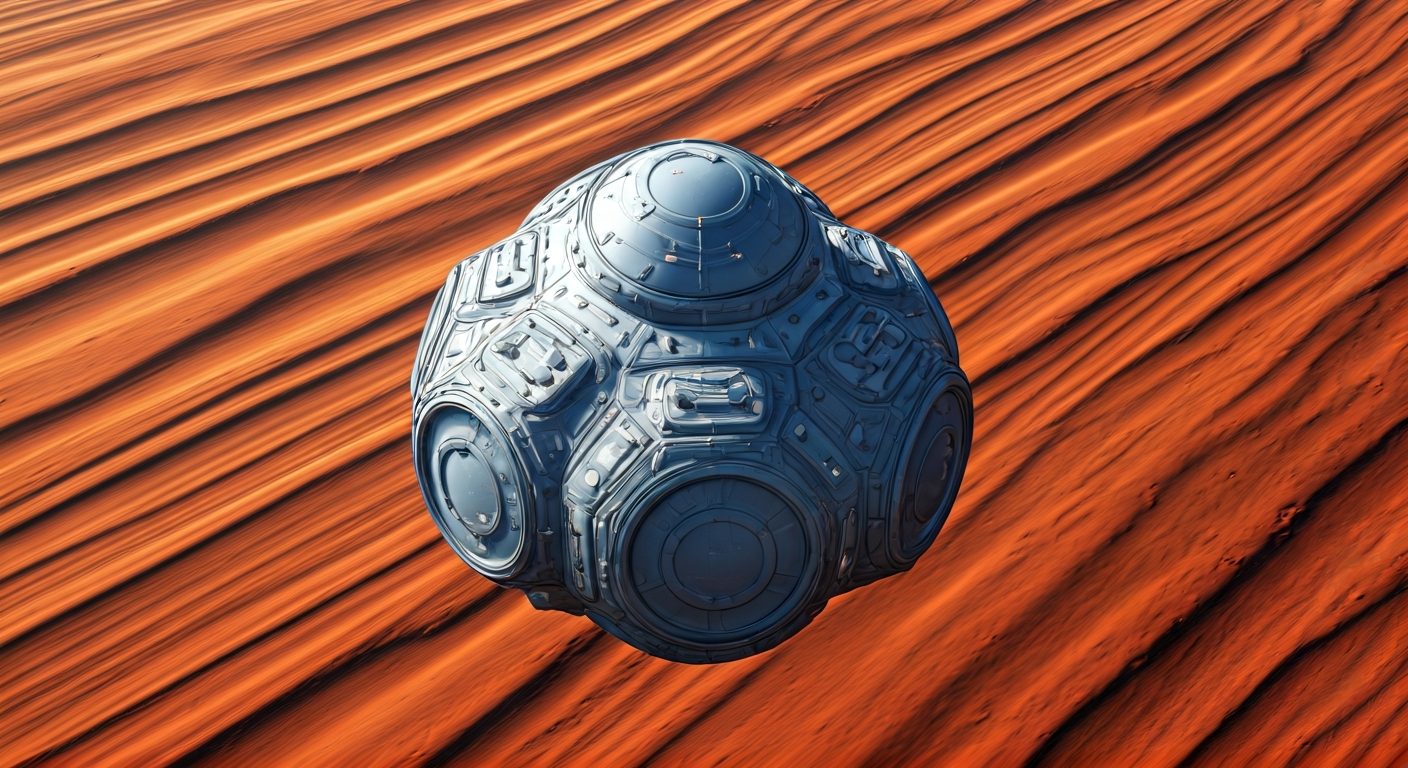
An Italian research team has developed a habitat prototype designed to mimic living conditions on Mars, paving the way for future crewed missions.
A groundbreaking habitat designed to simulate life on Mars has been successfully constructed by a team of Italian researchers. This innovative structure aims to replicate the challenging environment of the Red Planet, offering a crucial testing ground for technologies and protocols necessary for future human exploration.
The "Mars Habitat" project, detailed in a report by GN Italy Marte, focuses on creating a self-sustaining ecosystem within a controlled environment. The primary goal is to understand and mitigate the physiological and psychological effects of long-duration stays on Mars for astronauts. The habitat incorporates advanced life support systems, including methods for recycling water and air, and potentially for cultivating food.
This initiative is part of a broader effort to prepare for crewed missions to Mars, a long-term objective for space agencies worldwide. By testing these systems in a simulated Martian setting, scientists can identify potential issues and refine solutions before deploying them on actual missions, significantly reducing risks.
The project emphasizes the importance of in-situ resource utilization (ISRU), exploring how materials found on Mars could be used for construction and sustenance. This approach is vital for making long-term Martian settlements economically viable and reducing reliance on Earth-based resupply missions. The habitat's design also considers radiation shielding and dust mitigation, two major environmental hazards on the Martian surface.
This Mars Habitat prototype represents a tangible step towards establishing humanity's off-world presence. By rigorously simulating Martian conditions, the project directly addresses the critical technological hurdles for long-term survival beyond Earth. It embodies the exponential progress needed to expand consciousness across the cosmos. Each successful test of life support, resource utilization, and psychological resilience within this habitat accelerates our trajectory towards a self-sustaining Martian civilization, a vital insurance policy for life's continued existence.
Edited by the news editor with AI and translated into English from the original report — please refer to the original source.