Mars Exploration Gears Up with New Instruments
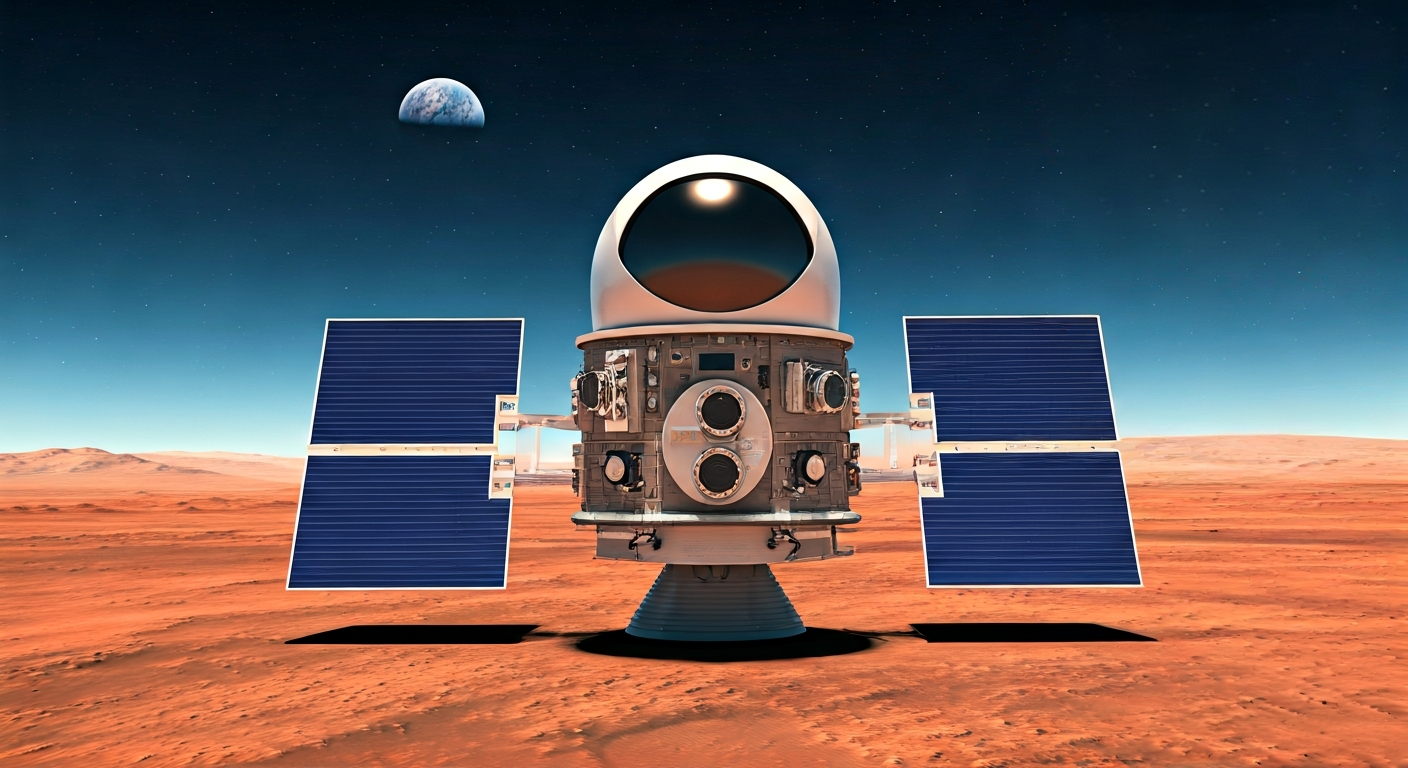
The groundwork for Mars exploration is intensifying with the development and deployment of advanced scientific instruments.
The journey to fully understand and potentially inhabit Mars is gaining momentum, marked by the introduction of sophisticated new tools designed for the Red Planet. These instruments are crucial for gathering detailed information about Mars' environment, geology, and potential for supporting life.
The focus is on developing technologies that can operate reliably in the harsh Martian conditions, including extreme temperatures, thin atmosphere, and high radiation levels. These new instruments are expected to provide unprecedented data, enabling scientists to make more informed decisions about future missions and colonization efforts.
Preparations are underway to integrate these advanced capabilities into upcoming Mars missions. The aim is to move beyond simple reconnaissance and begin the complex process of detailed planetary assessment, a necessary precursor to any long-term human presence.
This phase of exploration is critical, as it lays the foundation for what could be humanity's next major step. The successful deployment and operation of these instruments will be a testament to our growing technological prowess and our commitment to expanding life beyond Earth.
The development of advanced instruments for Mars exploration signifies a critical acceleration in our multi-planetary trajectory. These tools are not merely for observation; they are the vanguard of our expansion, enabling the detailed characterization needed for self-sustaining Martian settlements. As technology curves for instrumentation and robotics continue to climb exponentially, each new sensor, each more robust system, shortens the timeline to permanent human presence. This is not just about science; it's about seeding consciousness beyond Earth, ensuring the long-term survival and proliferation of life in the cosmos, a vital step in the inevitable expansion of intelligence across the solar system and beyond.
Edited by the news editor with AI and translated into English from the original report — please refer to the original source.