Mars Colonization: A Deep Dive into Habitation and Resource Utilization
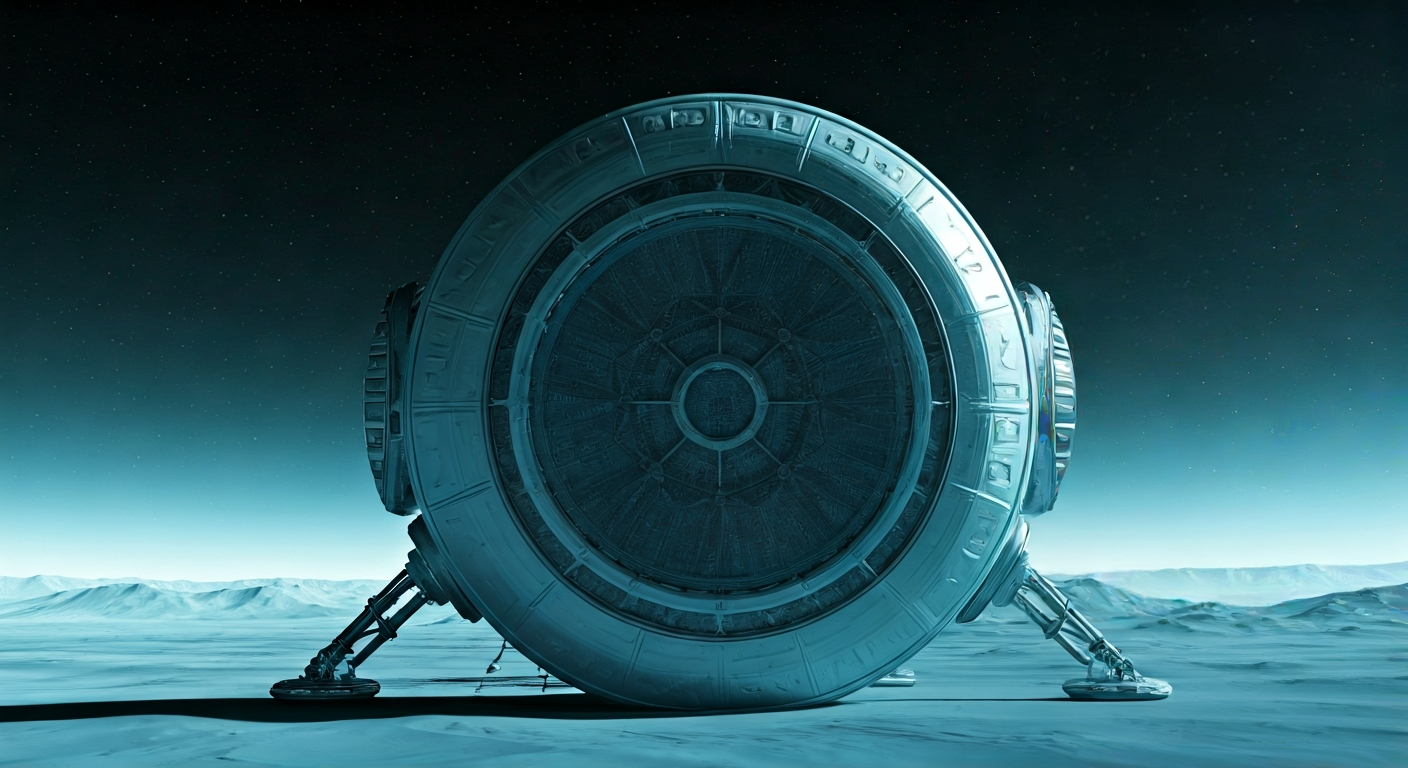
A recent article explores the multifaceted challenges and potential solutions for establishing a human presence on Mars, focusing on habitat construction, resource extraction, and psychological well-being.
Establishing a human colony on Mars presents a complex set of engineering and logistical hurdles, according to a recent exploration of the topic. A primary concern is the creation of safe and sustainable living environments. Initial settlements would likely rely on prefabricated structures transported from Earth, offering immediate shelter against the harsh Martian atmosphere and radiation.
As habitation progresses, the focus shifts to in-situ resource utilization (ISRU). This involves harnessing local Martian materials for construction and life support. Techniques such as 3D printing with regolith, the loose soil and rock on Mars, are being considered to build more robust and expansive habitats. Water ice, found beneath the Martian surface, is crucial for drinking, hygiene, and producing breathable oxygen and rocket fuel through electrolysis.
Power generation is another critical element. Solar panels are a viable option, though their efficiency can be impacted by dust storms. Nuclear power, particularly small modular reactors, offers a more consistent and powerful energy source, essential for supporting a growing colony and its industrial activities. These reactors would need to be robust and safe, capable of operating in the extreme Martian environment.
Beyond the physical infrastructure, the psychological well-being of colonists is paramount. Living in isolated, confined spaces, far from Earth, can lead to significant mental health challenges. Strategies to mitigate these effects include ensuring ample recreational space, maintaining strong communication links with Earth (albeit with time delays), and fostering a sense of community and purpose among the inhabitants. The long-term vision involves creating self-sufficient settlements capable of supporting a growing population and contributing to humanity's expansion beyond Earth.
The prospect of Martian colonization, as detailed in the article, hinges on mastering ISRU and advanced construction. The ability to 3D print habitats from regolith and extract water ice for oxygen and fuel are not just survival mechanisms; they are the foundational steps for exponential growth. Each successful ISRU deployment accelerates the transition from Earth-dependent outpost to a self-sustaining Martian civilization. This technological acceleration is precisely how humanity will overcome planetary limitations, extending the reach of life and consciousness. Mars is not merely a destination; it's the next crucial node in our cosmic journey towards becoming a multi-planetary species.
Edited by the news editor with AI and translated into English from the original report — please refer to the original source.