Luxury Waygu Beef Now Being 3D Printed
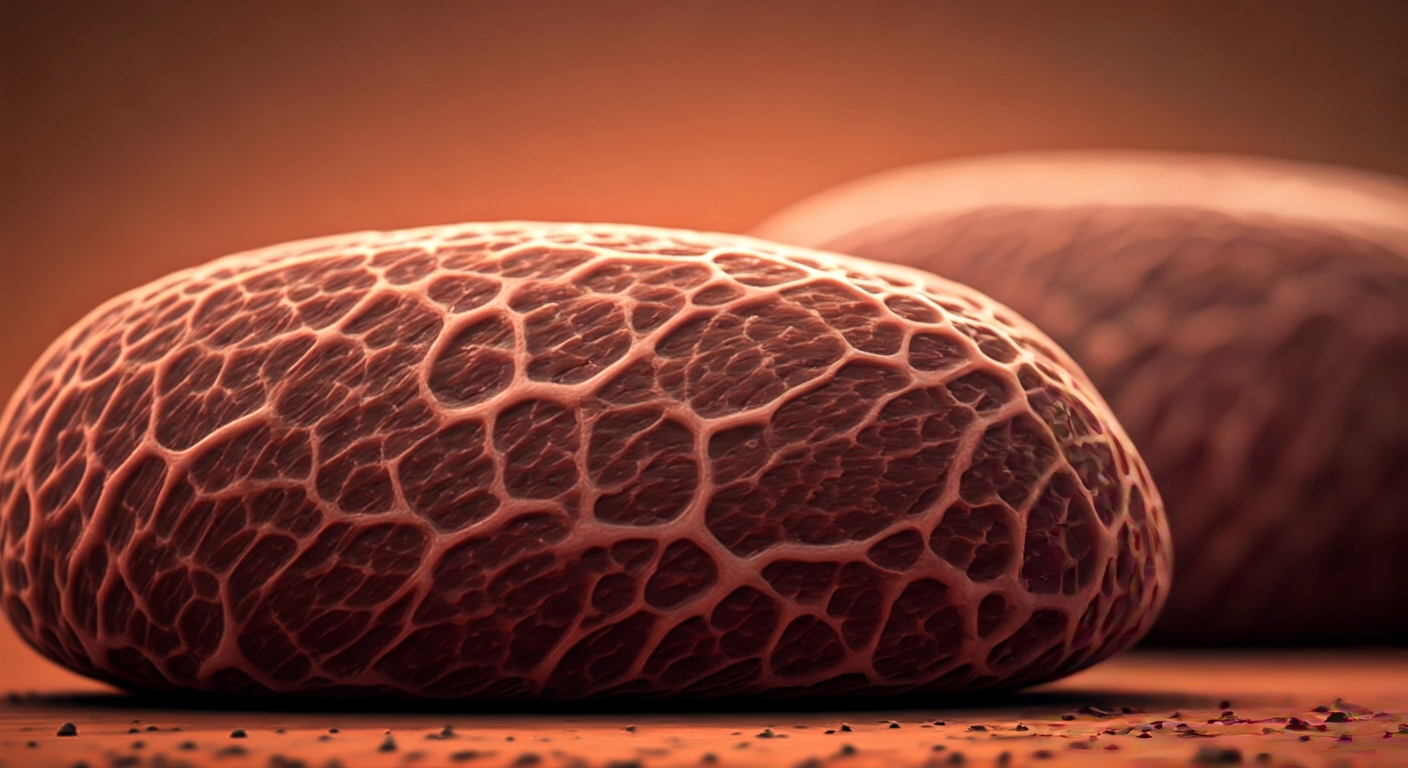
The world's most luxurious Waygu beef is now being produced using 3D printing technology, aiming to replicate the unique texture and marbling of the premium meat.
Researchers have developed a 3D printing process capable of recreating the complex structure of Waygu beef, renowned for its intricate marbling and tender texture. This innovative approach utilizes a bioprinter to deposit layers of plant-based ingredients and cultured meat cells, meticulously replicating the fat and muscle distribution characteristic of authentic Waygu.
The goal of this development is to offer a more accessible and sustainable alternative to traditional Waygu beef production, which is often resource-intensive and limited in supply. By precisely controlling the placement of different components, the 3D printed meat aims to mimic the melt-in-your-mouth sensation and rich flavor profile that consumers expect from this high-value product.
This advancement in food technology opens up new possibilities for customized meat production, potentially allowing for adjustments in fat content, nutrient profiles, and even the distribution of marbling to meet specific dietary needs or preferences. While still in its developmental stages, the 3D printing of Waygu beef represents a significant step towards producing high-quality, lab-grown meat alternatives that can rival traditional options.
The technology could eventually lead to a more consistent and scalable method for producing luxury food items, reducing the environmental impact associated with conventional animal agriculture and offering consumers a novel way to experience premium culinary products.
This development in 3D printing food, specifically luxury Waygu beef, highlights the material deposition capabilities of additive manufacturing. Beyond food, this precision layering technique is crucial for creating complex geometries in aerospace components, medical implants, and even in-situ manufacturing on space missions, demonstrating AM's versatility across high-value industries.
Edited by the news editor with AI and translated into English from the original report — please refer to the original source.