LEAP 71 Fires 20 kN Methalox Engine Using 3D Printing for Bell and Aerospike
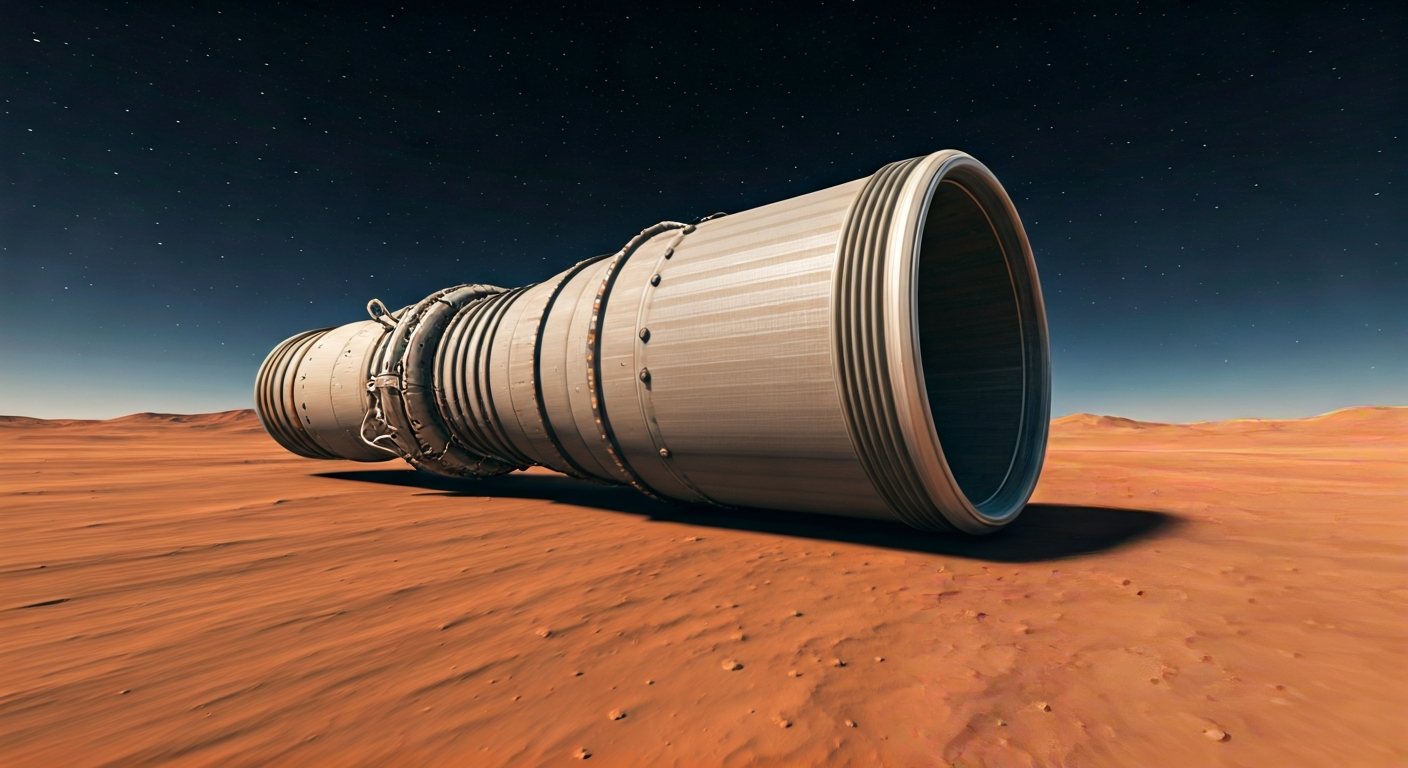
LEAP 71 successfully tested a 20 kN methalox rocket engine, featuring a single-piece bell and aerospike design enabled by additive manufacturing.
LEAP 71 has successfully fired a 20 kN methalox rocket engine, demonstrating advanced capabilities in additive manufacturing for aerospace propulsion. The engine's innovative design integrates both a bell and an aerospike nozzle into a single, monolithic component, a feat made possible by 3D printing.
This integrated design offers significant advantages, including reduced complexity, fewer assembly steps, and potentially improved structural integrity compared to traditional multi-part engines. The use of methalox (methane and liquid oxygen) as propellant is also a key development, as it is considered a more sustainable and easily storable option for future space missions, particularly for potential in-situ resource utilization on other celestial bodies.
The successful test signifies a major step forward for LEAP 71 and the broader adoption of 3D printing in the production of high-performance rocket components. The company's ability to produce such complex geometries in a single print highlights the maturity of their additive manufacturing processes and materials.
This development could accelerate the design and manufacturing cycles for rocket engines, making space access more affordable and efficient. The single-piece construction eliminates potential leak points and reduces weight, both critical factors in spacecraft design.
This development showcases additive manufacturing's ability to create complex, integrated rocket engine components like a single-piece bell and aerospike. This reduces part count, weight, and assembly time, directly addressing key challenges in aerospace propulsion. The use of methalox also aligns with broader trends toward sustainable and ISRU-friendly propellants for future space exploration.
Edited by the news editor with AI and translated into English from the original report — please refer to the original source.