Japanese Mission to Capture High-Definition Images of Mars and Moons
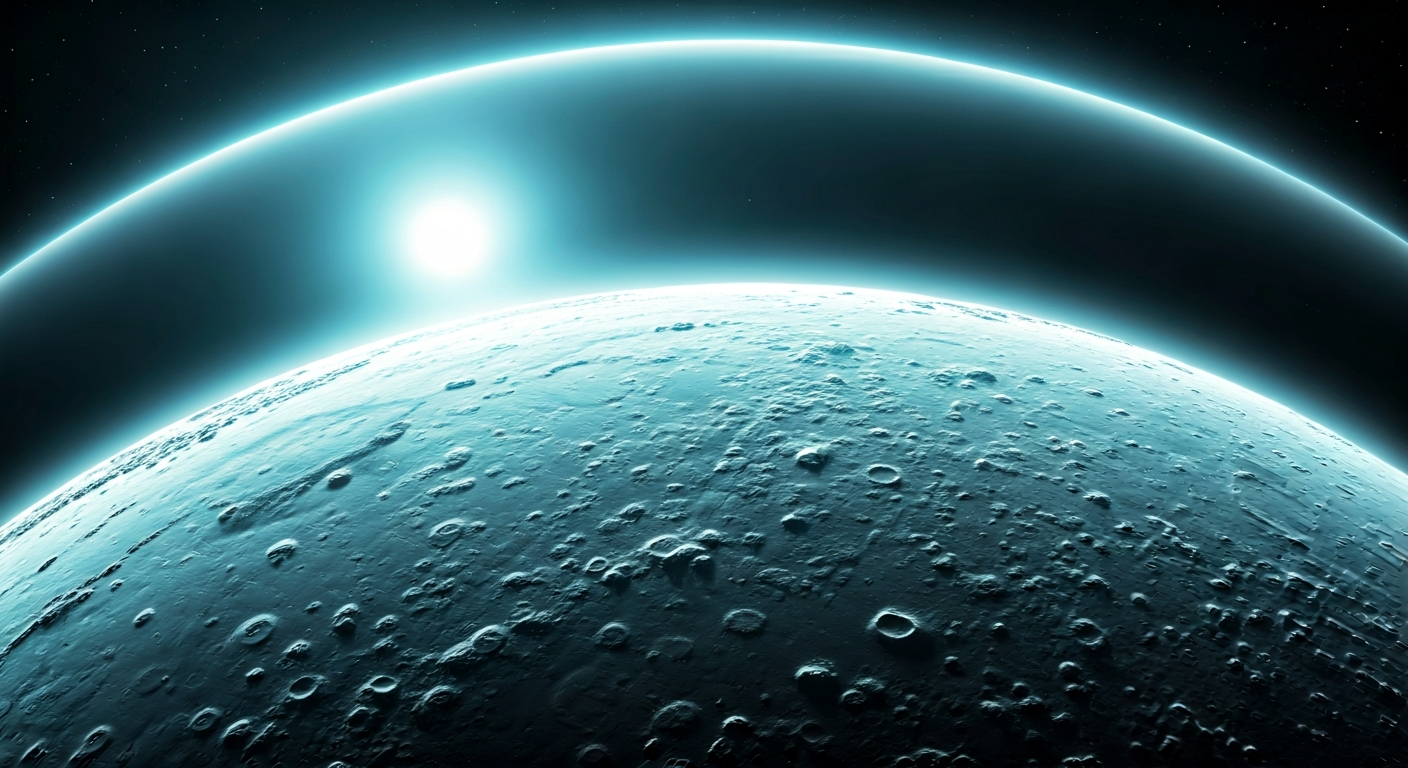
A Japanese space mission is set to acquire high-definition imagery of Mars and its two natural satellites, Phobos and Deimos.
Japan's space agency is preparing for a mission that will deliver unprecedented high-definition images of the Red Planet and its moons, Phobos and Deimos. The mission aims to provide detailed visual data that will enhance our understanding of Mars and its celestial companions.
While specific details regarding the mission's timeline and launch vehicle have not been disclosed in this report, the objective is clear: to capture the most detailed photographs of Mars and its moons to date. This endeavor signifies a step forward in planetary observation technology and the ongoing international effort to explore Mars.
The enhanced imaging capabilities are expected to reveal new geological features on Mars and provide closer looks at the surface characteristics of Phobos and Deimos. Such detailed imagery is crucial for scientific analysis, potentially aiding in the study of Martian geology, atmospheric phenomena, and the formation history of its moons.
This initiative underscores the growing global interest in Mars exploration and the deployment of advanced technologies to gather scientific data. The forthcoming images are anticipated to be a valuable resource for researchers worldwide, contributing to a more comprehensive picture of the Martian system.
This mission's high-definition imaging of Mars and its moons represents a critical technological leap. By capturing unprecedented detail, it will provide the foundational data for future Martian surface operations and resource assessment. Enhanced visualization is key to understanding potential landing sites and identifying resources for self-sustaining settlements. Each pixel of this new imagery is a building block for humanity's expansion, offering clearer insights into Martian geology and the moons' potential utility. This advance accelerates our ability to map and analyze the Red Planet, bringing us closer to establishing a robust, multi-planetary future.
Edited by the news editor with AI and translated into English from the original report — please refer to the original source.