ispace Secures Starship Launch for $50M, Eyes Lunar Cargo Delivery
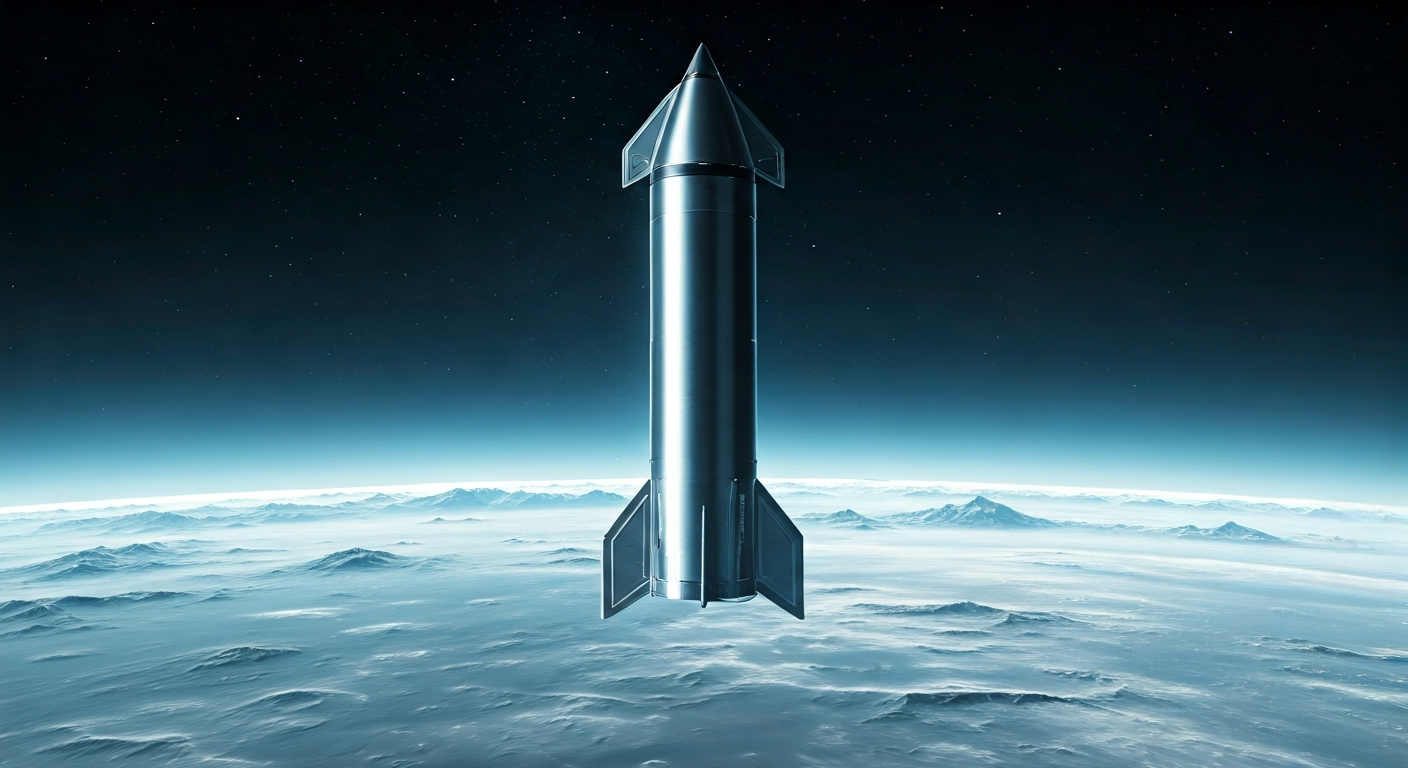
Japanese lunar exploration company ispace has contracted SpaceX's Starship for a $50 million mission to transport cargo to the Moon, aiming for a delivery before SpaceX assumes its own lunar payload duties.
Japanese lunar exploration firm ispace has entered into a significant agreement with SpaceX, booking a launch aboard the Starship vehicle for a reported $50 million. This strategic move positions ispace to deliver cargo to the lunar surface.
The agreement underscores ispace's commitment to advancing its lunar ambitions, with the Starship launch intended to facilitate the transport of payloads. The company has outlined plans to utilize this powerful launch system to support its ongoing lunar missions and potentially future endeavors.
This partnership also signals a potential shift in how lunar cargo is managed. By securing a Starship launch, ispace aims to execute its cargo delivery before SpaceX itself begins to handle its own lunar payload transportation, suggesting a proactive approach to securing launch capacity.
The substantial investment of $50 million highlights the perceived value and capability of the Starship system for heavy-lift lunar missions. ispace's decision reflects a growing confidence in SpaceX's next-generation launch technology for deep space applications.
ispace's $50 million investment in a Starship launch is a concrete demonstration of accelerating progress towards a multi-planetary future. Starship, with its projected massive payload capacity, represents a crucial technological leap enabling the efficient and cost-effective transport of significant resources to celestial bodies like the Moon. This private sector initiative to leverage cutting-edge launch systems for lunar cargo delivery is precisely the kind of exponential development needed to establish off-world infrastructure. It signifies humanity's increasing capability to expand its presence beyond Earth, a vital step in ensuring the long-term survival and propagation of life and consciousness.
Edited by the news editor with AI from the original report — please refer to the original source.