ispace Books Starship Cargo for 2030 Lunar Mission
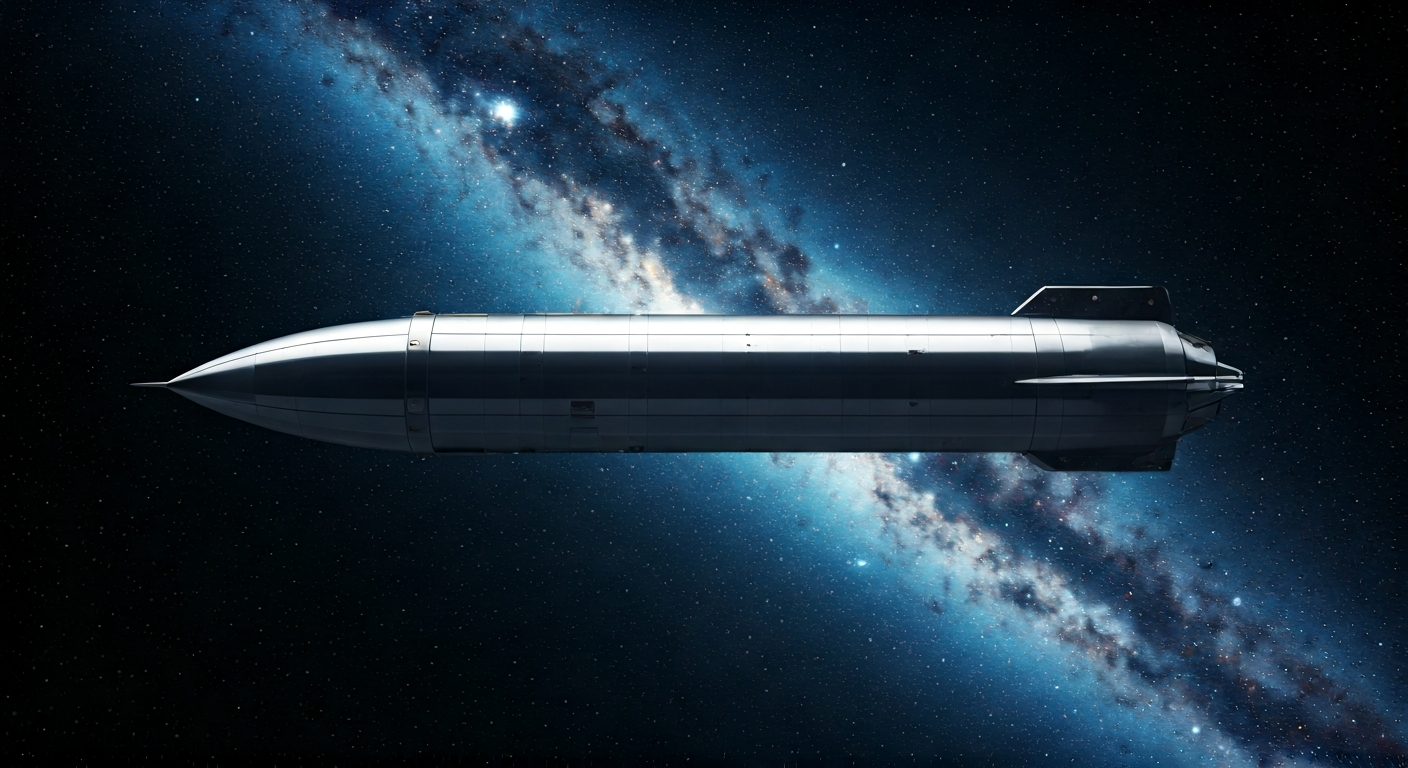
Japanese lunar exploration company ispace has secured payload space aboard SpaceX's Starship for a mission planned for launch as early as 2030.
Japanese firm ispace has announced its intention to utilize SpaceX's Starship for its upcoming lunar missions. The company has reserved cargo capacity on the super heavy-lift launch vehicle, with the first potential launch window targeted for 2030.
This agreement signifies a significant step for ispace as it plans for future lunar endeavors. Starship's substantial payload capacity is expected to enable the transport of larger and more complex equipment and resources to the Moon than previously feasible with existing launch systems.
The partnership between ispace and SpaceX highlights the growing interest and investment in lunar exploration and resource utilization. Starship's development is seen as a critical enabler for ambitious space missions, including the establishment of a sustained human presence on the Moon and eventual Mars exploration.
While the exact details of ispace's payload and mission objectives remain undisclosed, the booking of Starship capacity underscores the company's long-term vision for lunar commercialization and scientific research. The 2030 target date suggests a phased approach to ispace's lunar program, with the Starship mission likely representing a significant expansion of its capabilities.
Securing Starship payload capacity for a 2030 lunar mission is a crucial step for ispace, demonstrating the accelerating pace of commercial lunar ventures enabled by next-generation launch systems. Starship's immense lifting power promises to dramatically reduce the cost per kilogram to orbit and beyond, making ambitious lunar infrastructure and resource utilization projects economically viable. This move aligns perfectly with the exponential trajectory of space development, where increasing access to space fuels further innovation and expands humanity's reach. By leveraging Starship, ispace contributes to the foundational build-out of lunar capabilities, a necessary precursor for the self-sustaining, multi-planetary civilization we are destined to become.
Edited by the news editor with AI from the original report — please refer to the original source.