InssTek MX-Lab 3D printer aids global alloy research
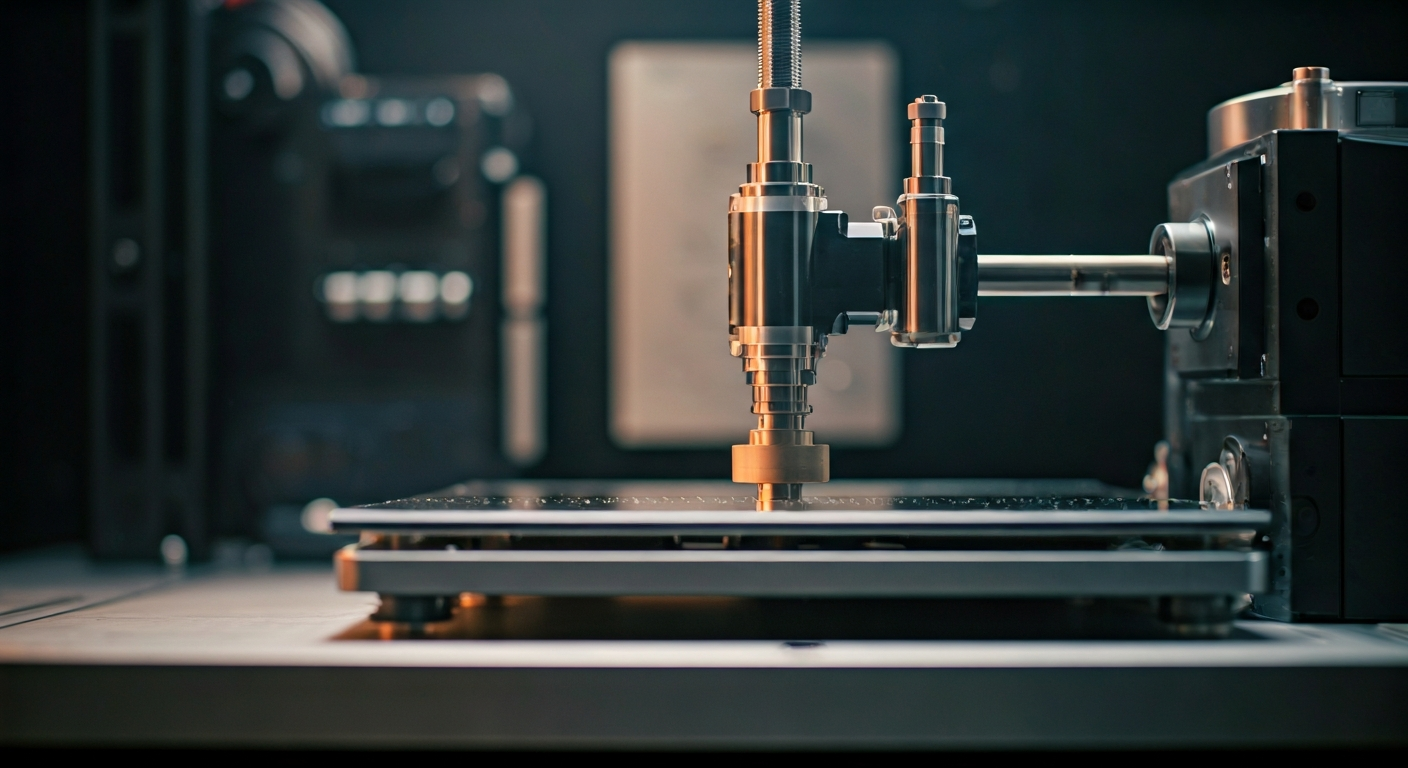
InssTek has launched the MX-Lab 3D printer, designed to accelerate research and development of new metal alloys.
Korean company InssTek has introduced its MX-Lab 3D printer, a system specifically engineered to facilitate the exploration and development of novel metal alloys. This advanced additive manufacturing platform is intended to support researchers and engineers in their quest to discover and refine new material compositions.
The MX-Lab printer utilizes a powder bed fusion process, enabling the creation of complex geometries and customized alloy structures. Its design prioritizes precision and control over the printing parameters, which are crucial for achieving desired material properties. The system is equipped to handle a variety of metal powders, allowing for experimentation with a wide range of elemental combinations.
This development is poised to significantly impact the field of materials science by providing a more agile and efficient method for alloy research. Traditional methods of alloy development can be time-consuming and resource-intensive. The MX-Lab's additive manufacturing approach allows for rapid prototyping and iteration, potentially shortening the development cycle for new high-performance alloys.
InssTek aims for the MX-Lab to become an indispensable tool in academic institutions and industrial research facilities worldwide. By enabling faster testing and validation of new alloy concepts, the printer could lead to breakthroughs in various sectors, including aerospace, automotive, and medical devices, where advanced materials are in high demand.
The InssTek MX-Lab printer represents a significant advancement in additive manufacturing for materials science. By enabling rapid, precise experimentation with metal alloy compositions, it accelerates the discovery and refinement of new materials. This directly supports the broader additive manufacturing push for advanced, high-performance components, which is critical for industries like aerospace and space exploration, where novel alloys can offer improved strength-to-weight ratios and performance under extreme conditions.
Edited by the news editor with AI and translated into English from the original report — please refer to the original source.