India successfully test-fires 3D-printed rocket engine
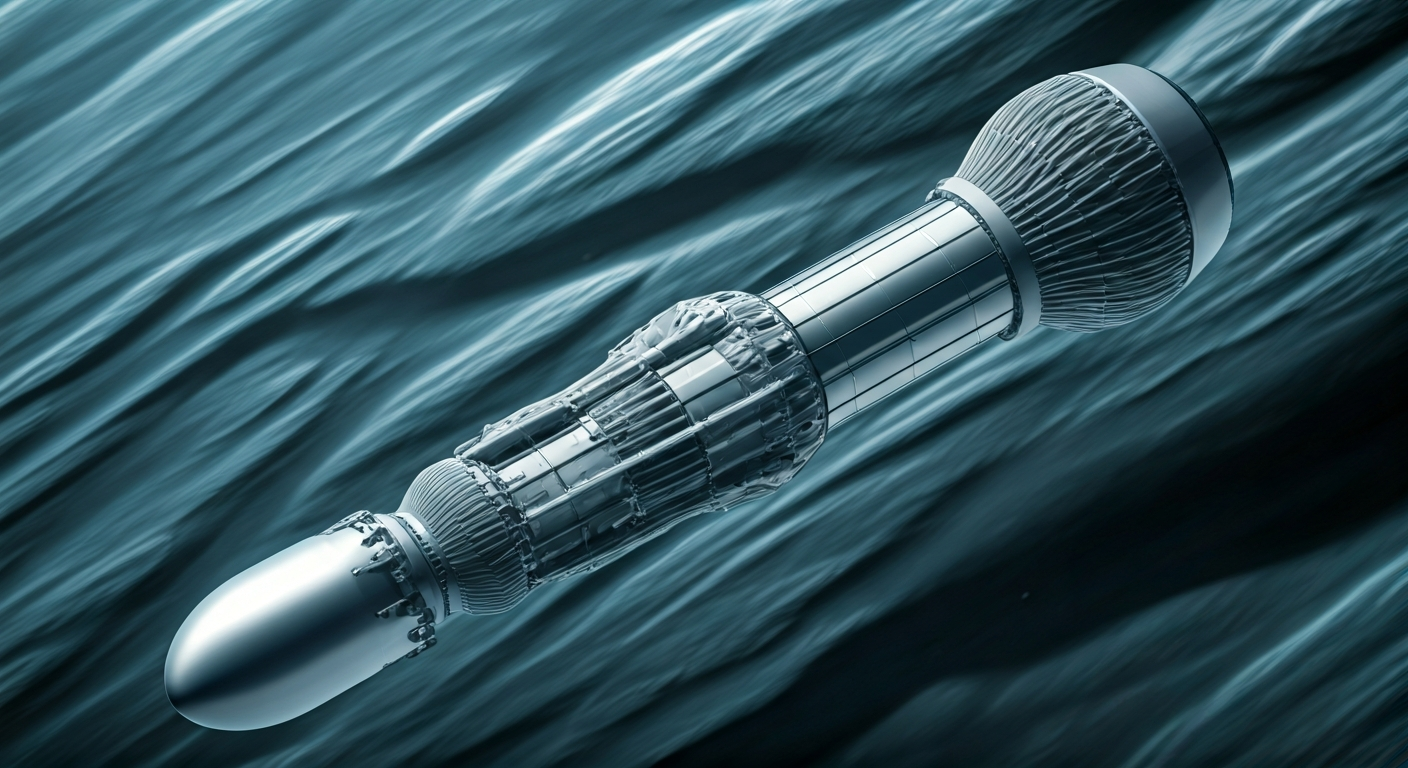
India has achieved a significant milestone with the successful test-firing of a new, fully 3D-printed rocket engine, marking a leap forward in its indigenous space capabilities.
The Indian Space Research Organisation (ISRO) has announced the successful static test of a new semi-cryogenic rocket engine, a significant portion of which was manufactured using 3D printing technology. This development underscores India's growing prowess in additive manufacturing for complex aerospace applications.
The engine, designated as the Semi-Cryogenic Engine Integrated Project (SCEIP), is a critical component for future Indian launch vehicles. The successful test signifies a major step towards enhancing the country's capacity for producing advanced rocket propulsion systems domestically.
This achievement is particularly noteworthy as it involves extensive use of 3D printing, a process known for its ability to create intricate geometries, reduce part count, and potentially shorten manufacturing lead times compared to traditional methods. The successful integration and firing of the 3D-printed components demonstrate the viability and reliability of this advanced manufacturing technique within the demanding field of rocketry.
While specific details regarding the materials used and the exact percentage of 3D-printed components were not disclosed, the overall success of the test positions India as a key player in the global race to leverage additive manufacturing for space exploration and satellite deployment.
This successful test-firing of a 3D-printed rocket engine highlights the increasing adoption of additive manufacturing in aerospace for its potential to reduce costs, accelerate development, and enable complex designs. It signifies India's commitment to advanced manufacturing for its space program, a trend seen across global space agencies and private companies looking to streamline rocket production and explore innovative propulsion solutions.
Edited by the news editor with AI from the original report — please refer to the original source.