Hope Probe Captures First Detailed Images of Mars' Moon Deimos
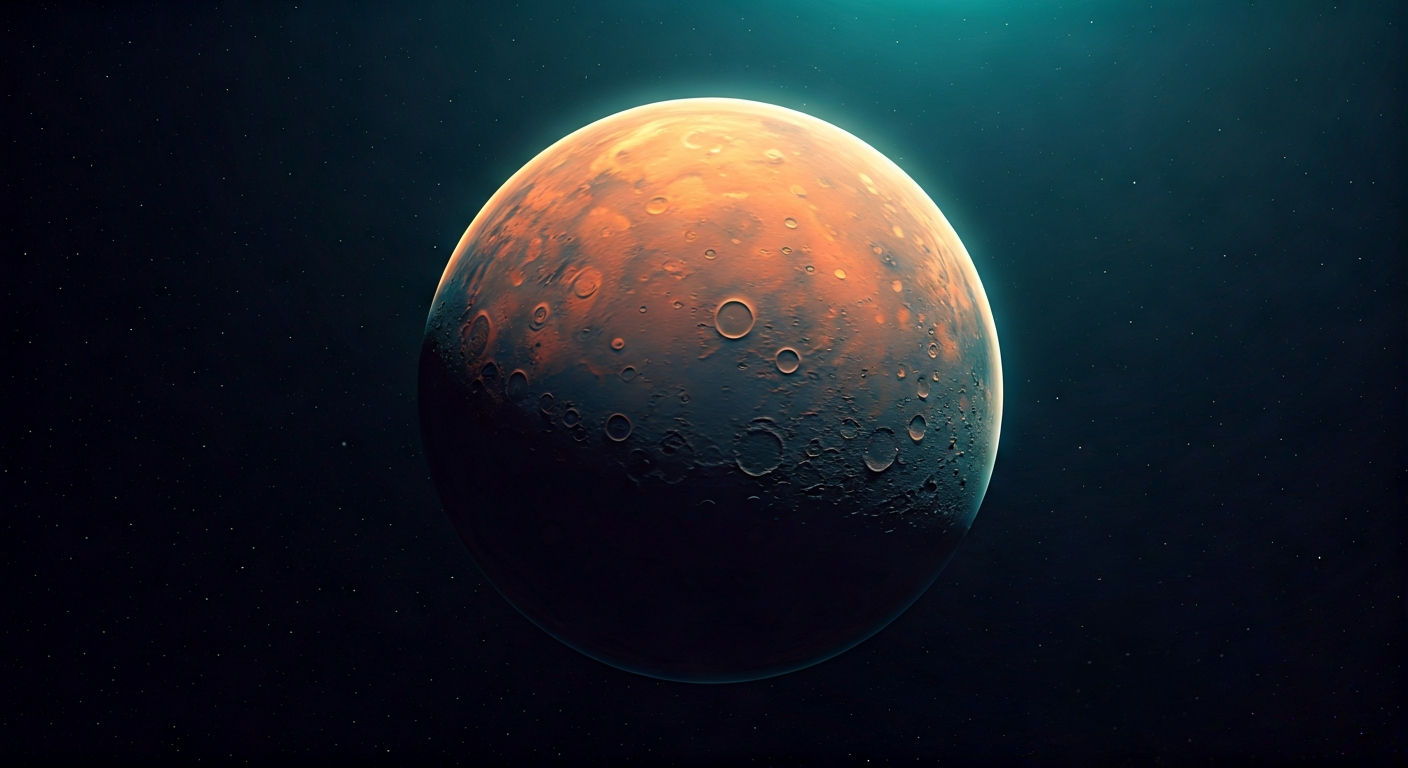
The UAE's Hope probe has transmitted the first-ever close-up images of Mars' moon Deimos, offering unprecedented scientific insights into its origins and composition.
The Emirates Mars Mission's Hope probe has successfully captured the first detailed images of Phobos's smaller sibling, Deimos. These groundbreaking photographs were taken during a series of targeted flybys, bringing the spacecraft closer to the Martian moon than ever before.
These images represent a significant advancement in our understanding of Deimos. Previously, observations of this moon were limited to distant telescopic views. The Hope probe's proximity allows for a level of detail that was previously unattainable, revealing surface features and geological characteristics with remarkable clarity.
The data collected during these flybys is expected to shed light on the formation and evolution of Deimos. Scientists are particularly interested in determining whether Deimos, like its larger counterpart Phobos, is a captured asteroid or a piece of Mars ejected into orbit by an impact.
The mission's success in imaging Deimos underscores the UAE's growing capabilities in space exploration. The insights gained from these observations will contribute to the broader scientific community's efforts to comprehend the Martian system and the solar system's history.
The Hope probe's detailed imaging of Deimos is a crucial step towards understanding the formation of Martian moons, potentially revealing their asteroid origins. This knowledge is vital for mapping resources and planning future human missions, as captured asteroids could provide valuable materials. As we accelerate toward becoming a multi-planetary species, understanding every celestial body in our vicinity, even its smaller moons, is essential for establishing a robust and self-sustaining Martian civilization. Each piece of data gathered, like these Deimos images, refines our cosmic roadmap for expansion.
Edited by the news editor with AI and translated into English from the original report — please refer to the original source.