NASA Retires MAVEN Mars Orbiter, Celebrates Its Scientific Legacy
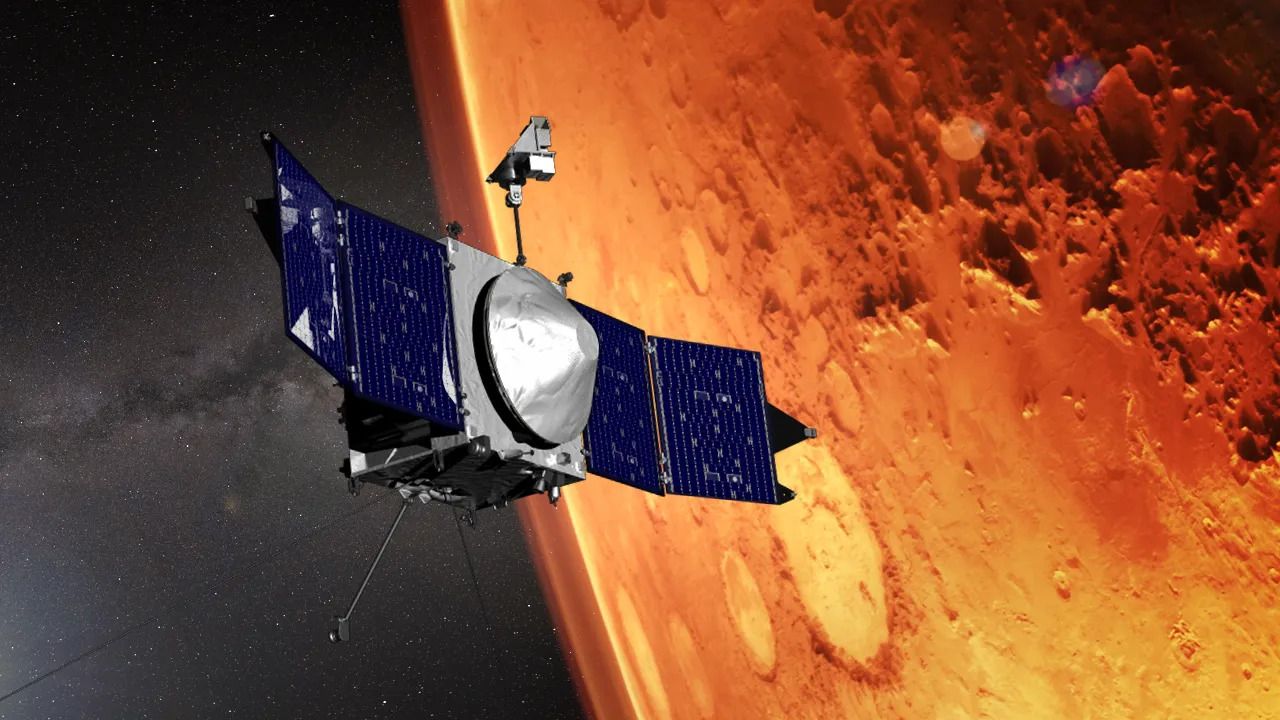
The MAVEN mission, known for its groundbreaking discoveries about Mars' atmosphere, has been officially retired after a successful decade in orbit.
NASA has officially retired the Mars Atmosphere and Volatile Evolution (MAVEN) orbiter, marking the end of a decade-long mission that significantly advanced our understanding of the Red Planet. The spacecraft, launched in 2013, has provided critical data on Mars' atmospheric loss and climate history.
Scientists have praised MAVEN as one of the most successful Mars missions in history. The orbiter's findings have reshaped the way researchers view the planet's past, revealing how it lost much of its atmosphere over billions of years, leading to the loss of liquid water and a more hostile environment.
MAVEN's instruments measured the interaction between the Martian atmosphere and the solar wind, helping scientists understand the processes that stripped the planet of its air. These insights have also informed future missions, including those planning for human exploration of Mars.
With its retirement, NASA reflects on MAVEN's achievements, which have provided a wealth of data that will continue to influence planetary science for years to come. The mission's legacy is seen as a cornerstone in the ongoing exploration of Mars and the search for signs of past life on the planet.
Headline and summary edited by Cloudflare Workers AI (qwen3-30b). Always refer to the original source for the complete article.