Mars Time Differs from Earth Time, How to Sync Clocks Between Worlds?
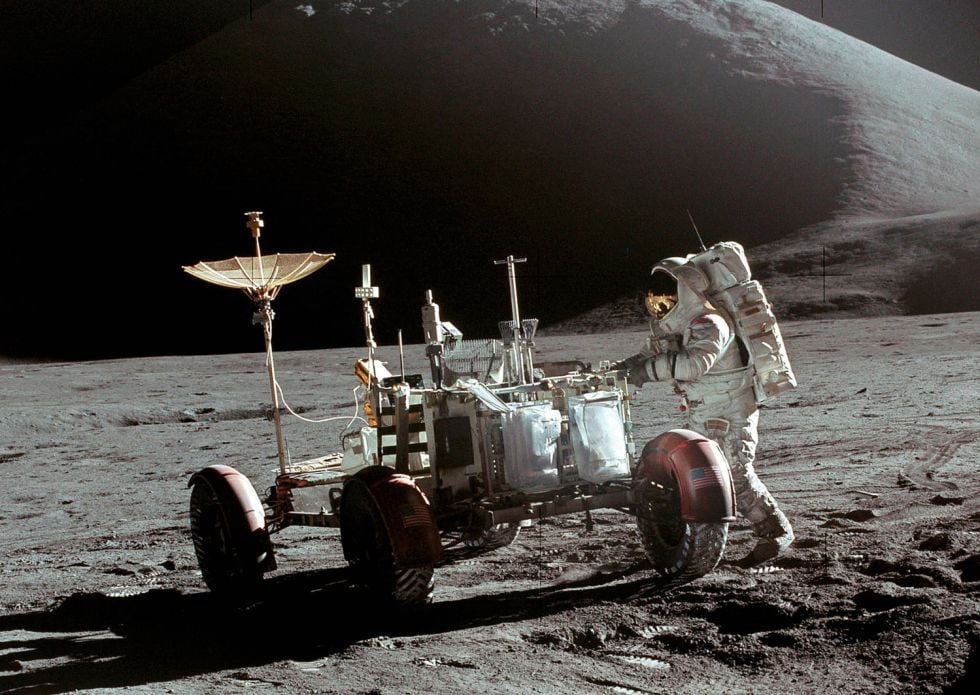
As plans for lunar and planetary bases advance, space agencies face the challenge of redefining time measurement across different planets.
As humanity moves closer to establishing permanent bases on the Moon and other planets, space agencies are grappling with the challenge of redefining time measurement. Unlike Earth, where time is standardized globally, each celestial body has its own unique rotational period, making it difficult to synchronize clocks between worlds.
The Martian day, known as a sol, lasts approximately 24 hours and 39 minutes—about 2.7% longer than an Earth day. This difference becomes critical for missions involving human presence, where coordination between Earth and Mars is essential for communication, operations, and daily routines.
Experts suggest that future interplanetary missions may require a new timekeeping system tailored to each planet. This could involve creating local time zones based on the planet's solar day, similar to how time zones work on Earth. However, this approach would complicate global coordination, especially for missions involving multiple planets.
To address this issue, some researchers propose a universal time standard based on atomic clocks, which could serve as a reference point for all planetary missions. This would allow for precise synchronization while still accounting for local time differences. As space exploration expands, the need for a unified yet flexible time system becomes increasingly urgent.
Headline and summary edited and translated into English by Cloudflare Workers AI (qwen3-30b). Always refer to the original source for the complete article.