New Timekeeping Framework for Future Mars Colonists
A new proposal aims to standardize timekeeping on Mars, addressing the effects of relativity and planetary gravity on time measurement.
As humanity looks toward establishing a presence on Mars, the need for a standardized timekeeping system becomes increasingly apparent. Atomic clocks, while incredibly precise, are affected by general relativity, causing time to pass at different rates depending on the gravitational environment. On Mars, time moves slightly faster due to its weaker gravity compared to Earth.
Dr. Slava Turyshev, a researcher at NASA’s Jet Propulsion Laboratory, has proposed a new framework called Areocentric Coordinate Time (TCA) to address this challenge. This system is based on the International Astronomical Union’s Barycentric Celestial Reference System and provides a mathematical approach to synchronize timekeeping from the surface of Mars all the way to the center of the Solar System.
The framework accounts for minute physical effects that influence timekeeping, ignoring changes smaller than 5x10^-18, which equates to an error of 0.1 picoseconds. This level of precision is essential for long-term space missions and potential colonization efforts. For example, satellites in Low Mars Orbit experience time differently than those on the surface, with a daily discrepancy of 4.56 microseconds. In Areostationary Orbit, clocks run faster by 9.13 microseconds per day.
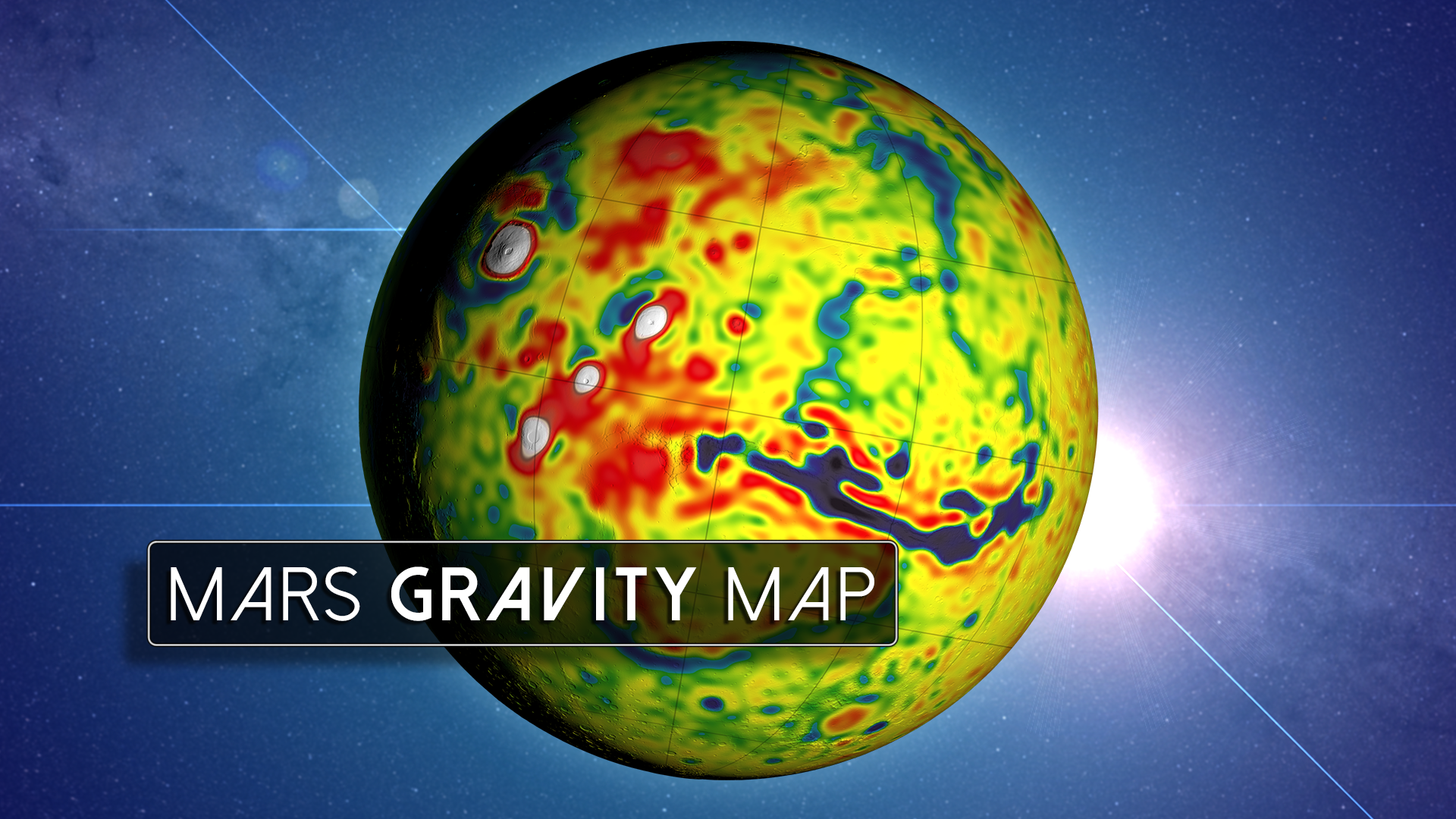
The influence of Mars' gravity and its orbit also plays a role in timekeeping. The planet's eccentric orbit and seasonal changes in its gravitational field, caused by the movement of carbon dioxide between its poles and atmosphere, further complicate accurate time measurements. While the framework outlines the necessary mathematical tools, it acknowledges that some factors, like seasonal gravitational shifts, are not yet fully understood.
Although the goal of sub-picosecond accuracy remains distant, the proposed system provides a foundation for future Mars timekeeping. By developing a Mars Time Ephemeris, scientists and engineers can better prepare for the challenges of long-term exploration and colonization on the Red Planet.
Headline and summary edited by Cloudflare Workers AI (qwen3-30b). Always refer to the original source for the complete article.