GKN Aerospace and US Air Force Advance Additive Manufacturing
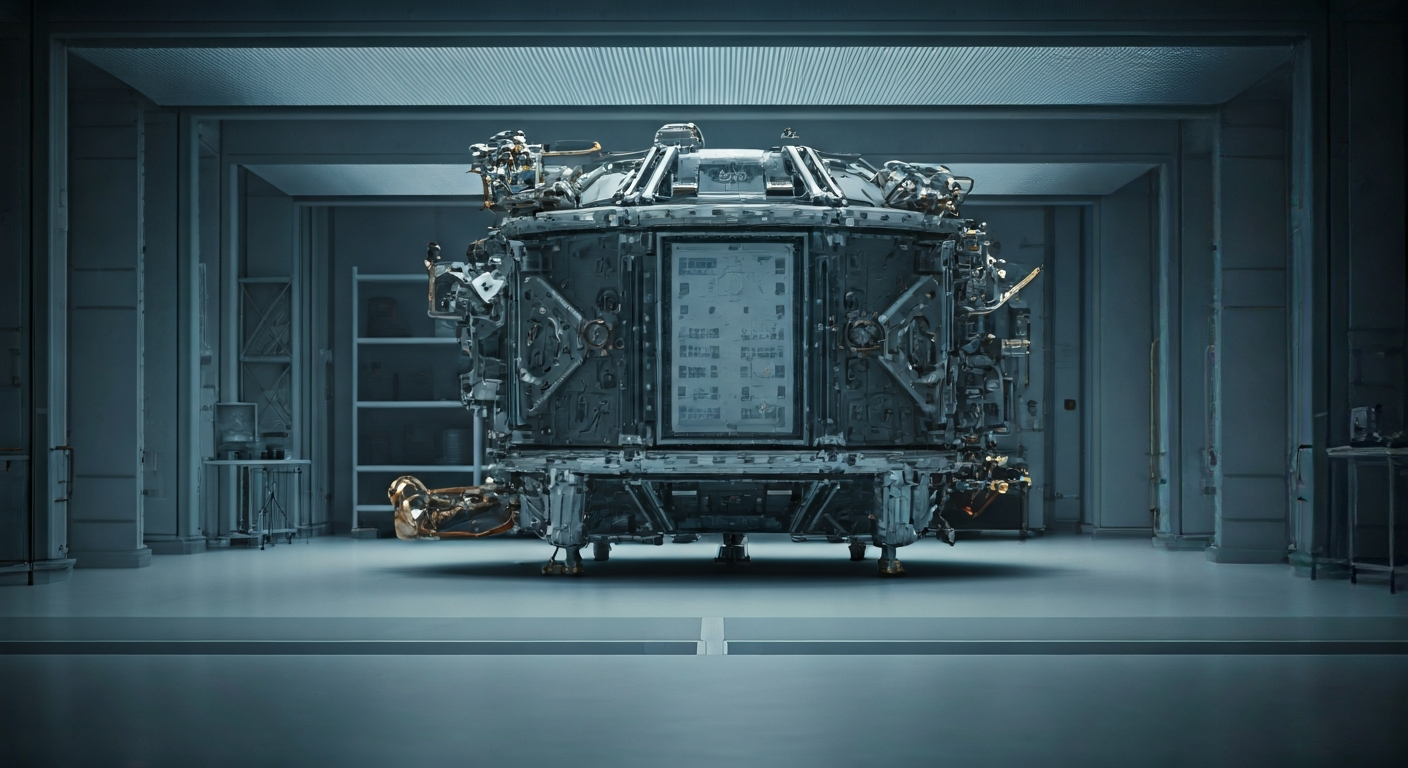
GKN Aerospace and the U.S. Air Force have successfully completed a joint development program aimed at enhancing additive manufacturing capabilities for aerospace applications.
GKN Aerospace and the U.S. Air Force have concluded a collaborative development program focused on advancing additive manufacturing (AM) technologies. This initiative aimed to improve the production of advanced aerospace components.
The program concentrated on several key areas within AM, including the development of new materials, optimization of printing processes, and the qualification of additively manufactured parts for stringent aerospace requirements. By working together, GKN Aerospace and the U.S. Air Force sought to overcome existing challenges and unlock the full potential of AM for military and commercial aviation.
Specific advancements are expected to include more robust and lighter-weight components, reduced manufacturing lead times, and greater design freedom for complex geometries. The collaboration leveraged GKN Aerospace's expertise in advanced materials and manufacturing with the U.S. Air Force's deep understanding of operational needs and rigorous qualification standards.
This partnership is a testament to the growing importance of additive manufacturing in the aerospace sector. The successful completion of this program is anticipated to pave the way for broader adoption of AM for critical aircraft parts, potentially leading to significant cost savings and performance improvements.
This collaboration highlights the critical role of additive manufacturing in modernizing aerospace production. By focusing on material development, process optimization, and rigorous qualification, GKN Aerospace and the U.S. Air Force are pushing the boundaries for producing flight-critical components. This advancement is vital for developing lighter, more complex, and cost-effective aircraft parts, aligning with the broader industry trend of leveraging AM for enhanced performance and supply chain agility.
Edited by the news editor with AI from the original report — please refer to the original source.