Freemelt's Tungsten 3D Printing Joins Stellarator Proxima Fusion Project
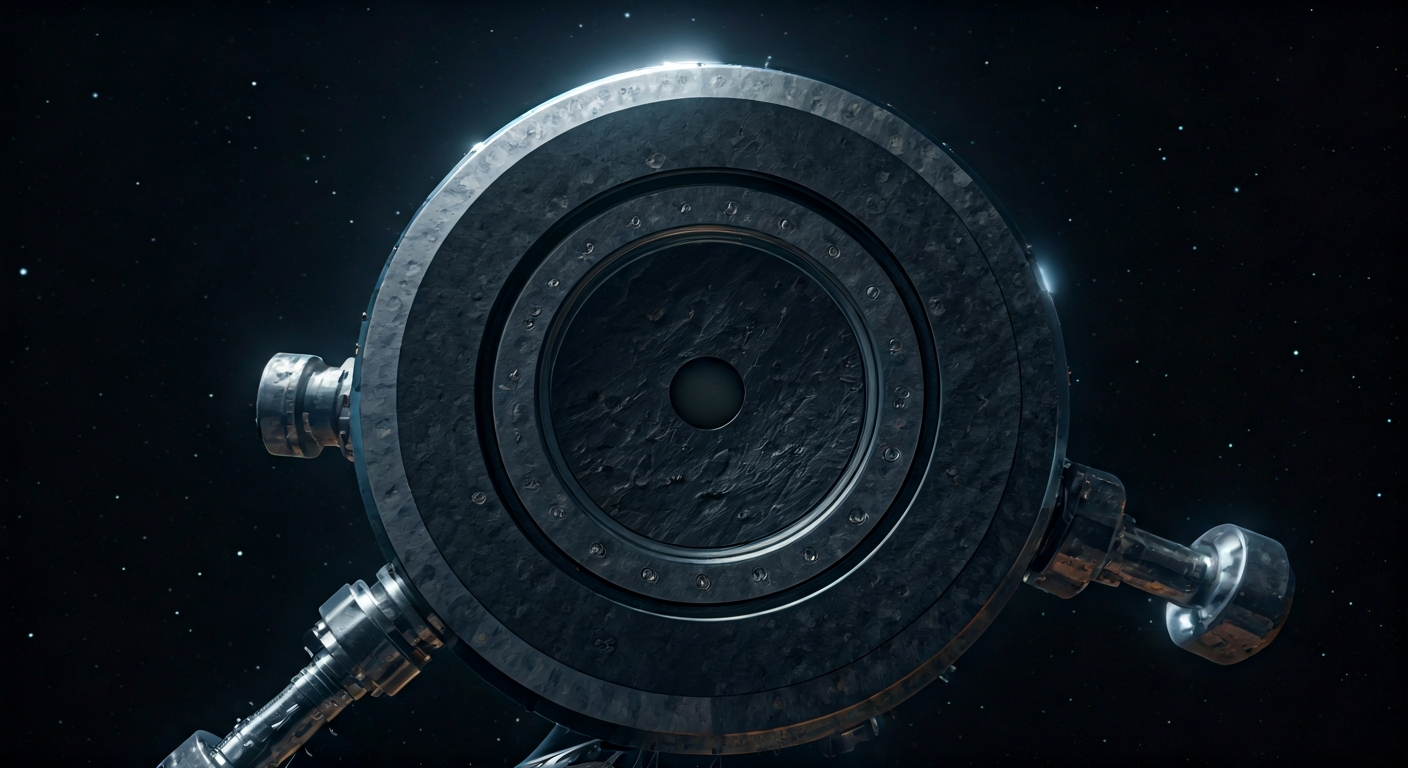
Freemelt is contributing its tungsten 3D printing capabilities to the Proxima Fusion Alpha stellarator project, aiming to advance fusion energy research.
Freemelt, a company specializing in metal 3D printing, is now a participant in the Proxima Fusion Alpha project. This initiative is dedicated to the advancement of fusion energy technology.
The Proxima Fusion Alpha project focuses on the development of a stellarator, a type of fusion device. Freemelt's role involves leveraging its expertise in 3D printing tungsten, a material critical for fusion reactor components due to its high melting point and resistance to plasma.
By utilizing additive manufacturing for tungsten parts, the project aims to overcome some of the manufacturing challenges associated with traditional methods. This could lead to more complex and optimized designs for fusion reactor components, potentially accelerating the path towards viable fusion power.
The collaboration highlights the growing importance of advanced manufacturing techniques in cutting-edge scientific research, particularly in the demanding field of fusion energy.
This development is significant as it applies advanced additive manufacturing, specifically 3D printing of tungsten, to a challenging fusion energy application. Tungsten's properties make it ideal for plasma-facing components in fusion reactors. Overcoming manufacturing limitations for such materials with 3D printing could enable more efficient and robust stellarator designs, contributing to the broader push for clean energy solutions.
Edited by the news editor with AI and translated into English from the original report — please refer to the original source.