First Metal 3D Print on ISS: A Detailed Look at the Process
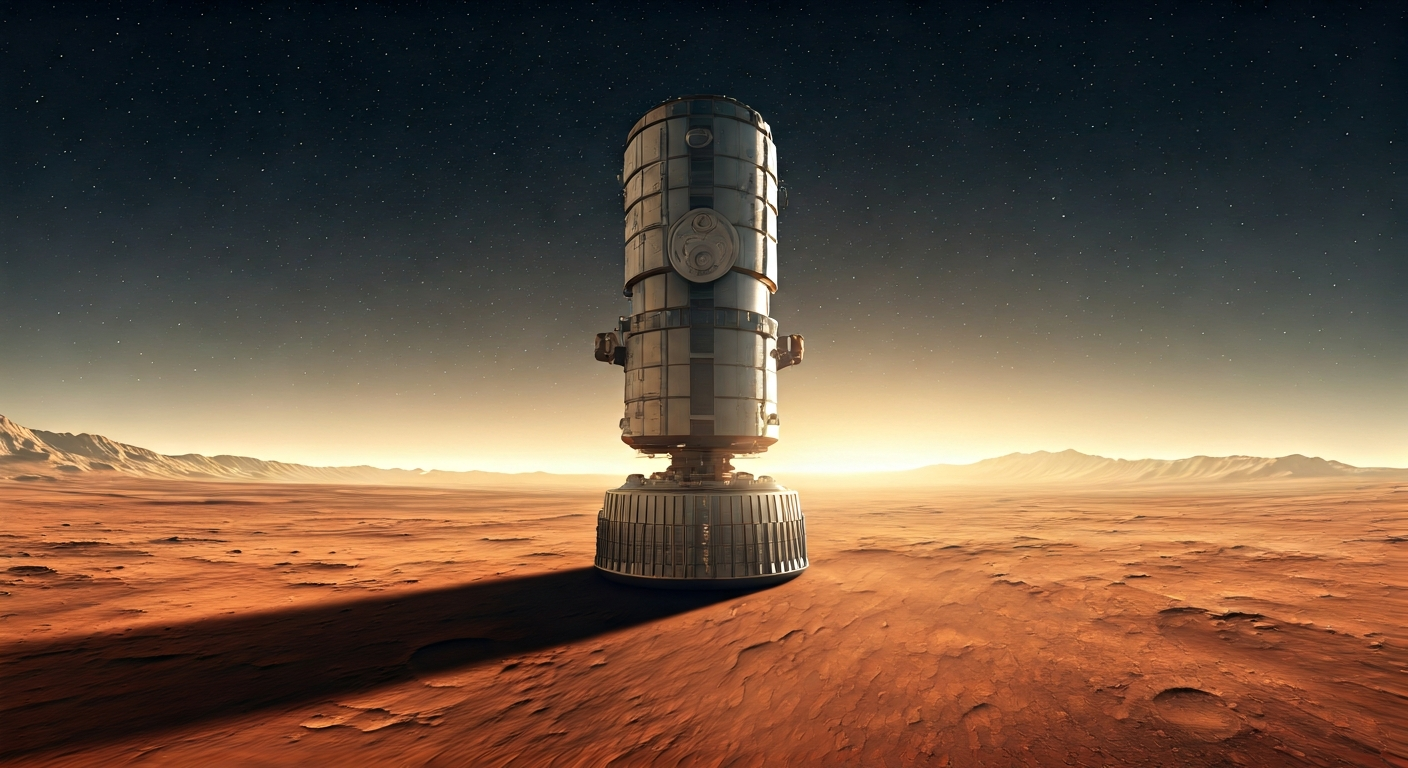
A collaborative effort has successfully demonstrated the first metal 3D printing of a component aboard the International Space Station (ISS), paving the way for in-space manufacturing.
The groundbreaking achievement involved the use of a specialized 3D printer designed to operate in the microgravity environment of the ISS. This printer is capable of processing metal powders, allowing for the fabrication of functional parts directly in orbit. The process began with the selection of a suitable metal alloy, chosen for its mechanical properties and compatibility with the printing technology.
The printing itself utilized an additive manufacturing technique, likely a form of powder bed fusion or directed energy deposition, where the metal powder is selectively melted and fused layer by layer to build the desired object. This method is crucial for creating complex geometries that are difficult or impossible to produce with traditional subtractive manufacturing techniques. Engineers on the ground meticulously planned and oversaw the printing process, ensuring precise control over parameters such as temperature, laser power, and layer thickness.
Once the printing was complete, the component underwent post-processing steps, which may include heat treatment or surface finishing, to achieve the required specifications. The successful fabrication of this metal part represents a significant milestone in the development of in-situ resource utilization (ISRU) capabilities for space exploration. It demonstrates the potential for astronauts to manufacture tools, spare parts, and even structural components on demand, reducing reliance on Earth-based supply chains.
This initiative is a testament to the growing capabilities of additive manufacturing in extreme environments. The ability to print metal parts in space opens up new possibilities for long-duration missions, enabling greater self-sufficiency and reducing the mass that needs to be launched from Earth. Future applications could range from repairing equipment on the ISS to building habitats and infrastructure on the Moon or Mars.
This development is significant as it proves metal additive manufacturing is viable in microgravity. It moves beyond plastic printing, enabling the creation of higher-strength, functional parts for repairs or fabrication in space. This directly supports long-term space missions and the concept of in-situ manufacturing, reducing launch mass and enabling greater astronaut autonomy.
Edited by the news editor with AI and translated into English from the original report — please refer to the original source.