Firehawk Conducts Successful Flight Test of 3D-Printed Hybrid Rocket Engine
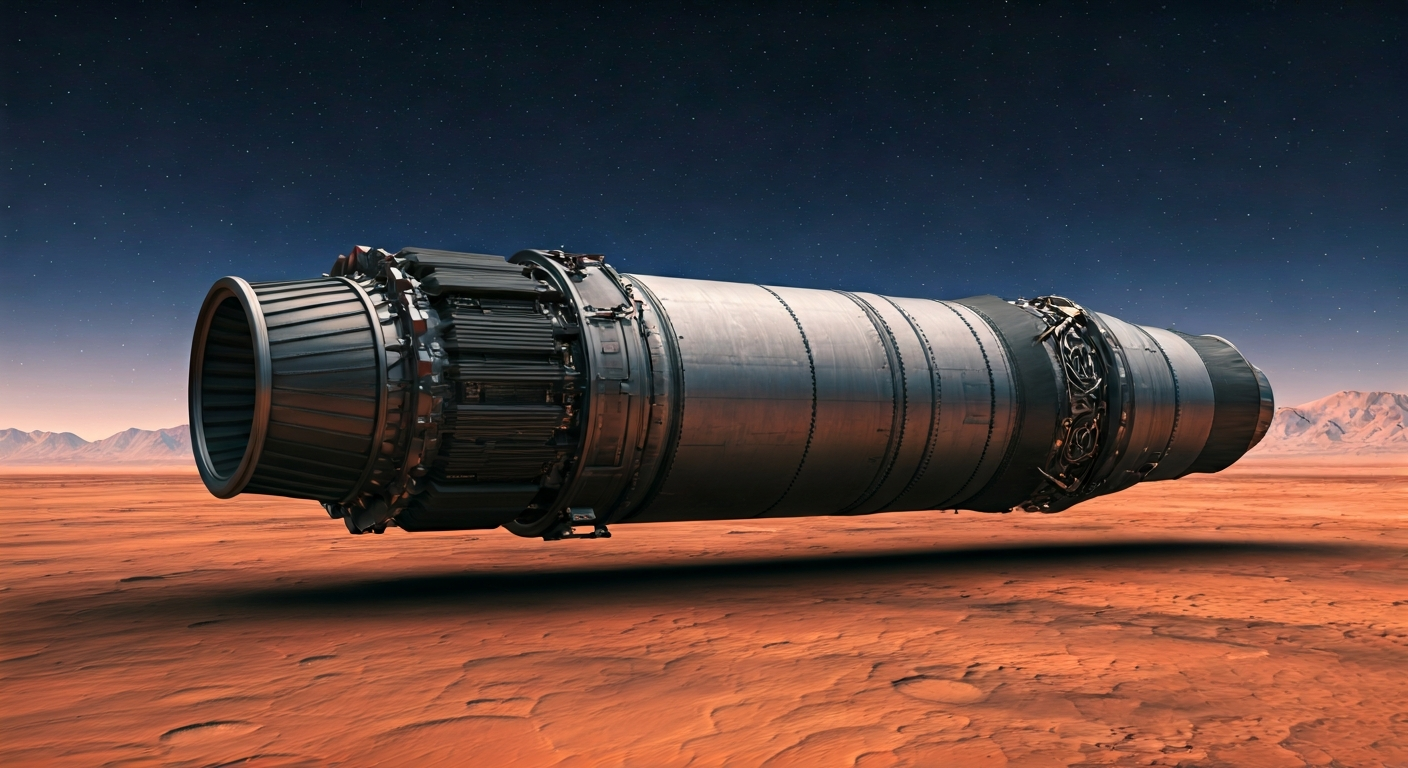
Firehawk Aerospace has successfully completed the first flight test of its 3D-printed hybrid rocket engine, marking a significant milestone in advanced propulsion systems.
Firehawk Aerospace has announced the successful completion of the inaugural flight test for its novel 3D-printed hybrid rocket engine. This test represents a critical step in the company's development of advanced rocket propulsion technology.
The hybrid rocket engine utilizes a combination of solid fuel and liquid oxidizer, a design that offers inherent safety advantages over traditional liquid-propellant engines and greater controllability than solid rocket motors. The use of additive manufacturing for its construction is central to Firehawk's strategy, enabling complex geometries and potentially reducing manufacturing time and cost.
While specific details regarding the test's altitude, duration, or performance metrics were not immediately disclosed, the successful completion of a flight test validates the design and manufacturing processes employed by Firehawk. This achievement paves the way for further testing and refinement of the engine.
Firehawk Aerospace aims to leverage this technology for a variety of applications, including small satellite launch vehicles and potentially in-space propulsion systems. The company's focus on 3D printing for rocket engine components aligns with broader industry trends towards more agile and cost-effective space access.
The successful flight test of a 3D-printed hybrid rocket engine by Firehawk Aerospace demonstrates the increasing maturity of additive manufacturing in demanding aerospace applications. This approach allows for rapid iteration and complex designs, potentially reducing lead times and costs for rocket propulsion. Such advancements are crucial for enabling more frequent and affordable access to space, supporting constellations of small satellites and future in-space missions.
Edited by the news editor with AI from the original report — please refer to the original source.