Finnish 3D Pharma Printer Maker CurifyLabs Secures $14M Series A
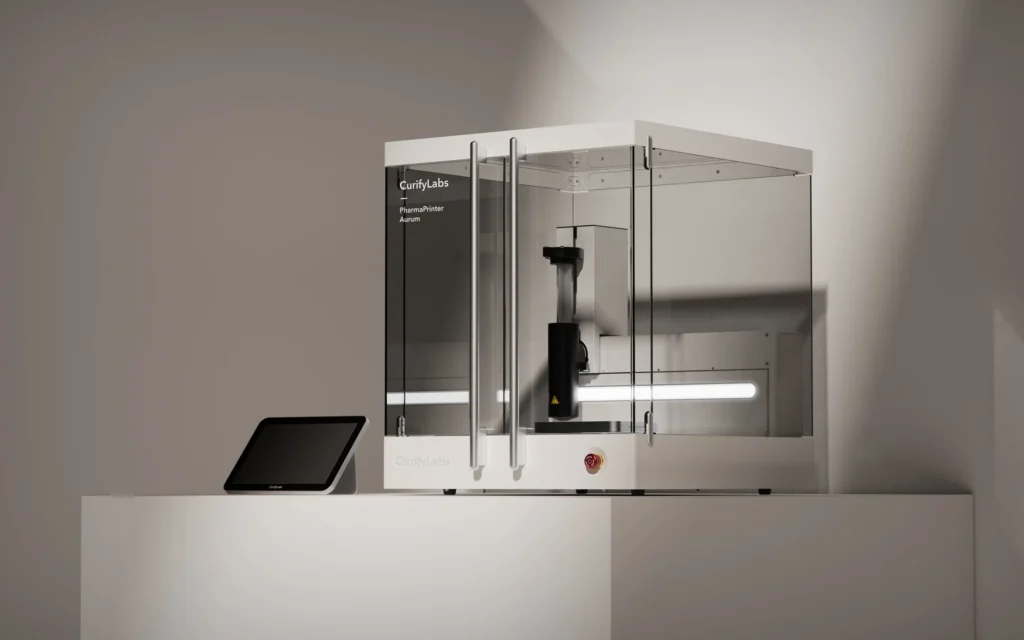
Finnish additive manufacturing company CurifyLabs, specializing in 3D printed pharmaceuticals, has successfully closed a $14 million Series A funding round to expand its US operations and enhance its product offerings.
CurifyLabs, a Finnish original equipment manufacturer (OEM) focused on 3D printing pharmaceuticals, has announced the closure of a $14 million Series A funding round. The investment was led by Norway-based venture capital firm Sandwater and Swedish investment fund HealthCap.
The newly acquired capital will be allocated to several key areas, including the expansion of CurifyLabs' United States operations, which are based in Jacksonville, Florida. Additionally, the funding will support the strengthening of the company's overall supply chain and the enhancement of both customer service and research and development initiatives.
Currently, pharmacies in 21 US states utilize CurifyLabs' 3D printers for drug compounding, enabling the creation of customized medication doses tailored to individual patient requirements. The company's offerings extend beyond printers to include the necessary base ingredients for pharmaceutical printing and the associated software ecosystem.
CurifyLabs' founder and CEO, Charlotta Topelius, stated that the investment validates the company's vision and will provide the resources to further elevate its standards in clinical rigor, product quality, and customer support. Morten E. Iversen, a partner at Sandwater, highlighted the significant growth in personalized medicine and CurifyLabs' role in enabling pharmacies to deliver these treatments more safely and efficiently.
This substantial Series A funding for CurifyLabs underscores the growing importance of personalized medicine, a sector where additive manufacturing offers unique advantages. 3D printing enables precise, on-demand production of customized pharmaceutical doses, fitting seamlessly into a trend towards patient-specific treatments. This development highlights AM's expanding role beyond traditional industrial applications into highly regulated sectors like healthcare, promising more efficient and tailored patient care.
Edited by the news editor with AI from the original report — please refer to the original source.