FDM/FFF 3D Printers for ULTEM and PEEK Now Available
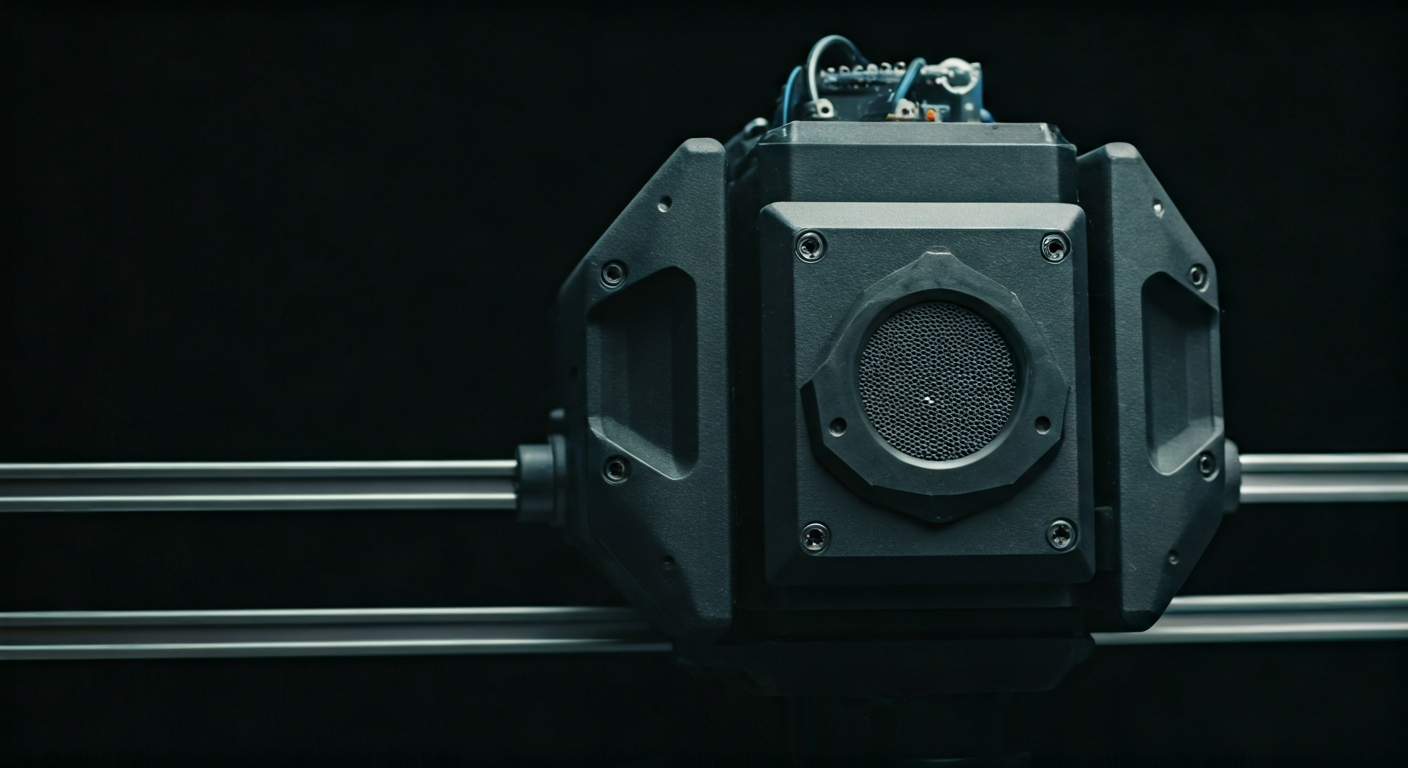
New FDM/FFF 3D printers specifically designed to handle high-performance polymers like ULTEM and PEEK are now entering the market, expanding material capabilities for demanding applications.
The additive manufacturing landscape is seeing an expansion in desktop and professional-grade 3D printers capable of processing advanced polymers. These new machines are engineered to overcome the challenges associated with materials such as ULTEM and PEEK, which require high extrusion temperatures and heated build chambers to achieve optimal print quality and material properties.
Traditionally, printing with these high-performance thermoplastics has been limited to industrial-grade systems due to the specialized hardware requirements. However, advancements in thermal management and component design are making these materials more accessible on a wider range of platforms. This development is driven by the increasing demand for strong, heat-resistant, and chemically inert parts in sectors like aerospace, automotive, and medical.
The availability of FDM/FFF printers that can reliably process ULTEM and PEEK on a more accessible scale signifies a shift towards democratizing high-performance additive manufacturing. Users can now produce end-use parts and complex prototypes with superior mechanical and thermal characteristics without necessarily investing in the most expensive industrial solutions.
These printers typically feature robust construction, precise temperature control for both the nozzle and the build chamber, and often include specialized filament management systems to ensure consistent material flow. The aim is to provide users with the ability to create functional components that can withstand harsh operating environments.
The introduction of FDM/FFF printers capable of processing ULTEM and PEEK is significant as it lowers the barrier to entry for high-performance polymer additive manufacturing. This broadens the application scope beyond prototyping to functional end-use parts, including those needed for demanding environments in aerospace and automotive, potentially enabling more complex designs and on-demand production.
Edited by the news editor with AI and translated into English from the original report — please refer to the original source.