Europe's HERA captures rare images of Mars' moon Phobos
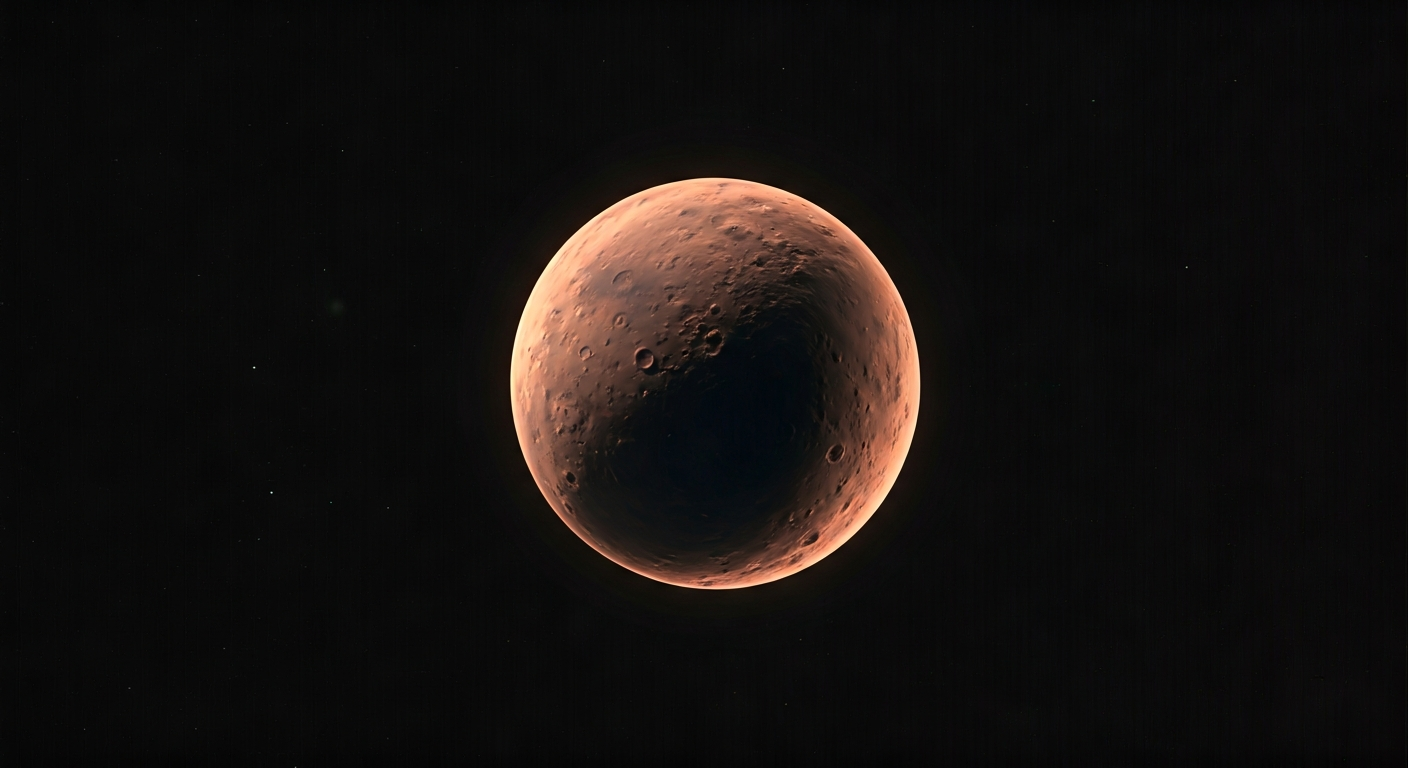
The European space probe HERA has captured high-resolution images of Phobos, Mars' larger moon, providing new insights into its surface and structure.
The European space probe HERA has captured rare and high-resolution images of Phobos, Mars' larger moon. These images were taken during a close flyby of the Martian moon, offering scientists a detailed look at its surface features and geological composition. HERA, part of the broader European Space Agency (ESA) mission to study Mars and its moons, has provided data that could help researchers better understand the origins and evolution of Phobos.
Phobos, which measures about 22 kilometers in diameter, is one of the smallest moons in the solar system. It is believed to be a captured asteroid, though its exact origin remains a topic of debate. The images from HERA reveal a rugged terrain marked by grooves, ridges, and impact craters, suggesting a long history of geological activity and external bombardment.
The probe's onboard cameras and spectrometers were able to capture detailed surface textures and mineral compositions, which could provide clues about the moon's internal structure and potential for future exploration. Scientists are particularly interested in studying Phobos as a potential site for future human missions to Mars, as its low gravity and proximity to the planet make it an attractive location for staging operations.
ESA has stated that the data collected by HERA will be shared with the global scientific community, enabling further research into the Martian system and its moons. This mission marks a significant step in the ongoing effort to explore and understand the Red Planet and its environment.
HERA's detailed imaging of Phobos represents a critical step in understanding the Martian system and its potential for future exploration. By revealing the moon's surface features and composition, the mission provides a foundation for assessing its suitability as a staging ground for Mars missions. This advance aligns with the broader vision of expanding human presence beyond Earth, as Phobos could serve as a key node in a multi-planetary civilization. As technology continues to accelerate, such data will enable more ambitious spacefaring endeavors, bringing us closer to a future where humanity thrives across the solar system.
Edited by the news editor with AI and translated into English from the original report — please refer to the original source.