Edible Sushi Toppings Created with 3D Printer in Japanese Lab
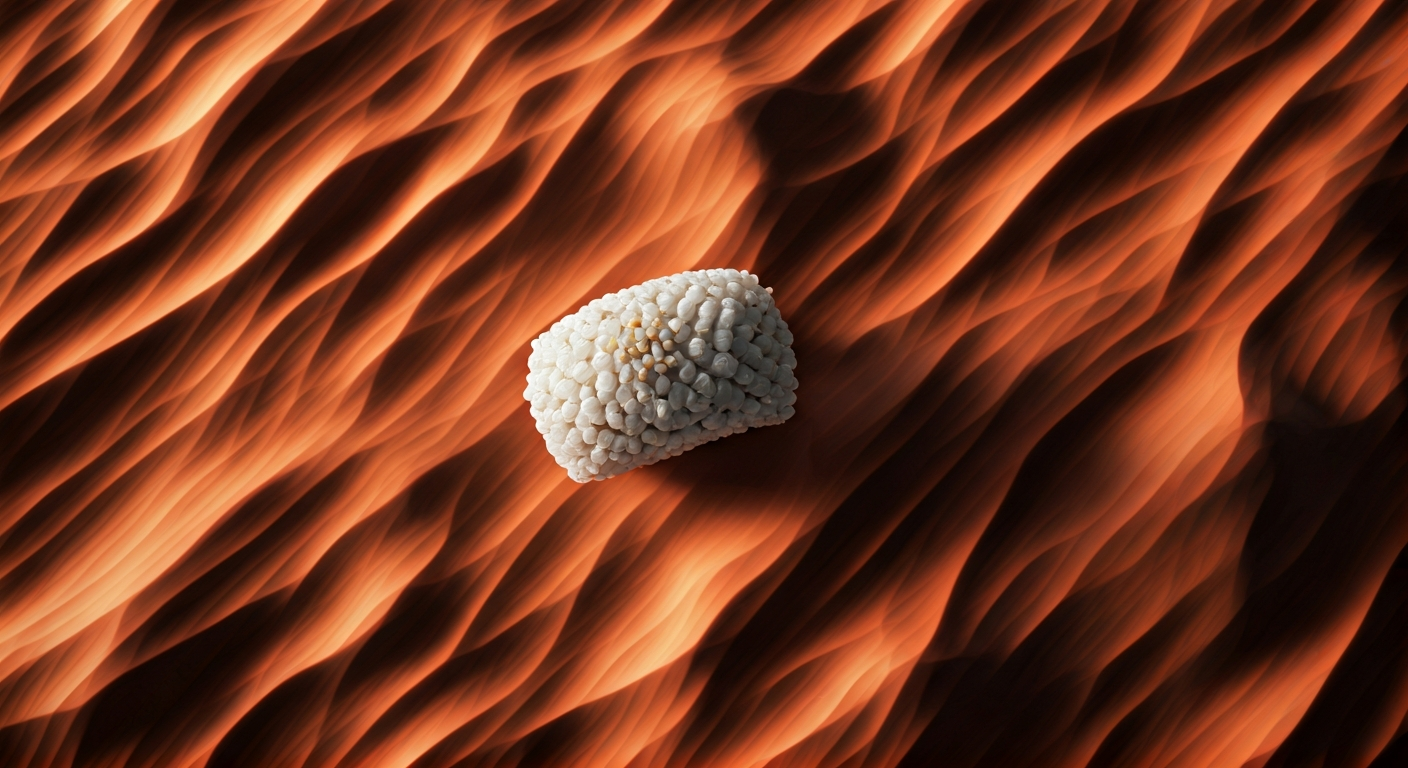
Researchers have developed a 3D printer capable of producing edible sushi toppings, challenging the notion that 3D printed food is merely a novelty or imitation.
A research team has successfully developed a 3D printer that can create realistic and edible sushi toppings. This innovation moves beyond the concept of food as mere imitation or sample, demonstrating a functional application of 3D printing in food production.
The technology utilizes specialized food-grade inks and a printing process designed to mimic the texture and appearance of traditional sushi ingredients. The goal is to offer a novel way to produce customized food items with precise control over ingredients and presentation.
While the current focus is on sushi toppings, the underlying technology holds potential for broader applications in the food industry, including personalized nutrition and intricate culinary designs. This development signifies a step towards more advanced and versatile food manufacturing methods.
This development showcases the increasing sophistication of 3D printing in the food sector. By producing edible, realistic food items rather than just imitations, it highlights advancements in material science and printing precision. This could lead to new avenues for food customization, potentially impacting areas from fine dining to personalized nutrition and even specialized food production for challenging environments.
Edited by the news editor with AI and translated into English from the original report — please refer to the original source.