DEEP installs underwater habitat, leverages metal 3D printing
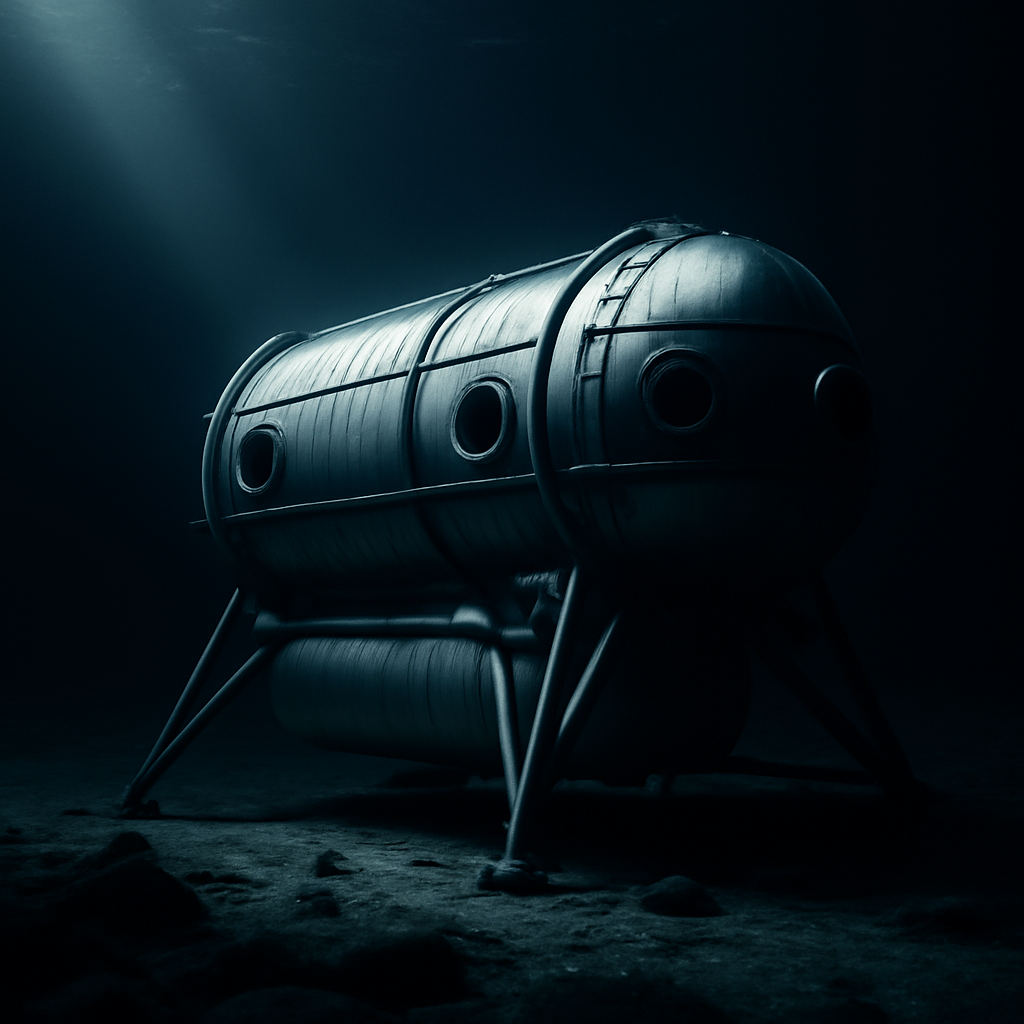
The company DEEP has successfully installed an underwater habitat, utilizing metal 3D printing for its construction and development.
DEEP, a company focused on underwater exploration and habitation, has announced the successful installation of its underwater habitat. This project marks a significant step in developing self-sufficient living spaces beneath the ocean's surface.
A key aspect of DEEP's approach is the integration of metal 3D printing technology into the habitat's design and construction. This additive manufacturing process allows for complex geometries and customized components that would be challenging or impossible to produce with traditional methods.
The use of metal 3D printing is intended to enhance the structural integrity and functionality of the habitat, making it more resilient to the harsh underwater environment. It also facilitates on-demand production of parts, potentially reducing lead times and logistical complexities associated with deep-sea operations.
While specific details regarding the materials used and the printing processes employed are not fully elaborated, the company's reliance on metal 3D printing underscores a growing trend in specialized manufacturing for extreme environments. DEEP's initiative suggests a future where advanced manufacturing techniques play a crucial role in enabling long-term human presence and operations in underwater settings.
This development highlights the application of metal 3D printing for creating robust, complex structures in extreme environments like the deep sea. It aligns with the broader additive manufacturing push for on-demand production, customization, and reduced material waste, crucial for remote or challenging locations. Such capabilities are also vital for aerospace and potential in-situ resource utilization in space missions.
Edited by the news editor with AI and translated into English from the original report — please refer to the original source.