Curiosity Rover Undergoes Core Software Upgrade
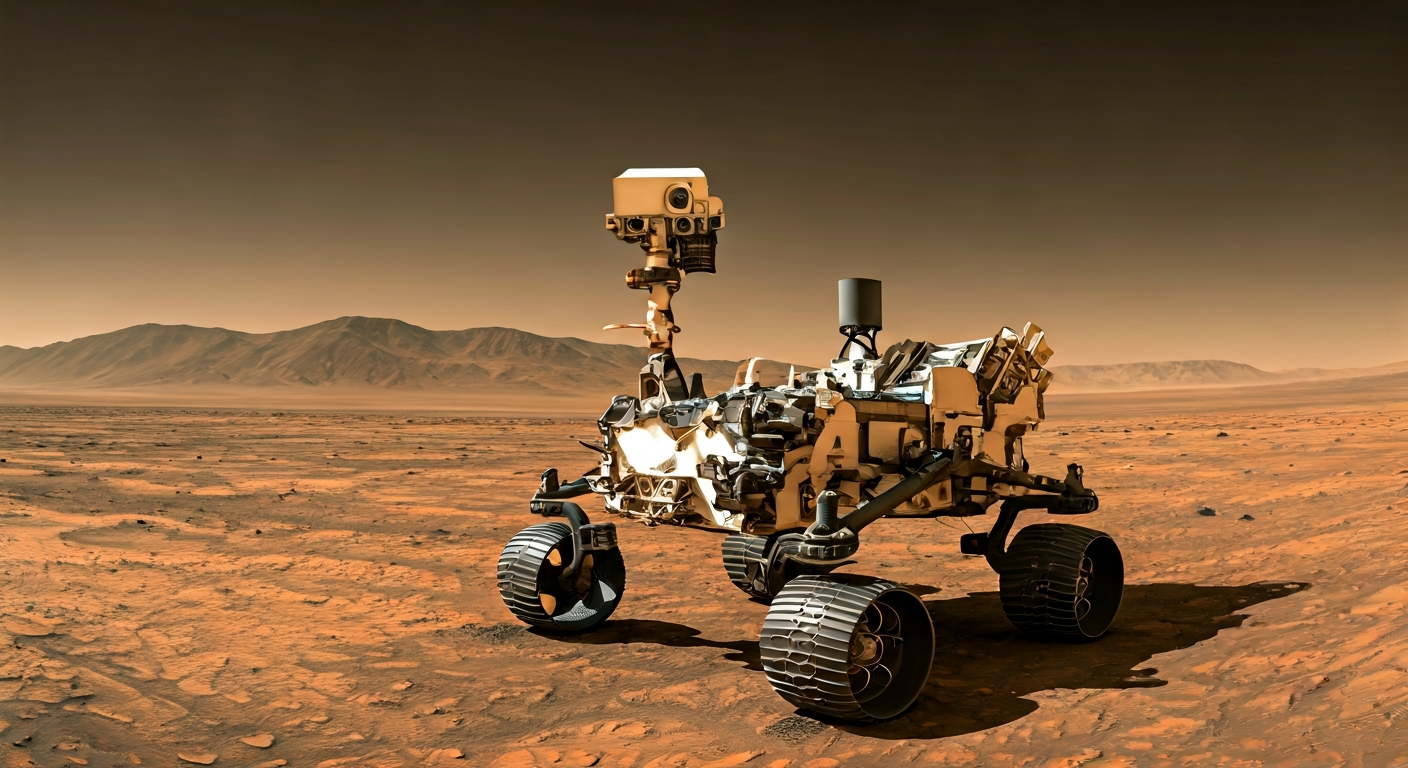
NASA's Curiosity rover has received a significant software update aimed at enhancing its operational capabilities and data processing on Mars.
NASA's Mars Science Laboratory (MSL) mission, featuring the Curiosity rover, has successfully implemented a crucial software upgrade. This update targets the rover's onboard computer systems, aiming to improve its efficiency and the way it handles scientific data.
The upgrade focused on enhancing the rover's ability to process images and telemetry data directly on Mars. This reduces the amount of raw data that needs to be transmitted back to Earth, a critical factor given the communication delays and bandwidth limitations between the planets.
By enabling more sophisticated onboard processing, Curiosity can now perform more complex analyses of its findings in near real-time. This allows mission scientists to make quicker decisions about where to direct the rover and what targets to investigate further.
This enhancement is part of NASA's ongoing efforts to maximize the scientific return from the Curiosity mission, which has been exploring Gale Crater since 2012. The software update is expected to prolong the rover's operational life and enable new avenues of scientific discovery by improving its autonomous capabilities and data management.
This software upgrade for Curiosity is a vital step in enhancing autonomous planetary exploration. By boosting onboard data processing, the rover gains greater independence, crucial for future missions aiming for self-sufficiency on Mars. As we push towards establishing a multi-planetary civilization, such incremental yet profound technological advancements in AI and processing power are foundational. They represent the accelerating curve of intelligence, enabling our expansion beyond Earth and ensuring the long-term survival of consciousness by making off-world operations more robust and efficient.
Edited by the news editor with AI and translated into English from the original report — please refer to the original source.