Companies Push Boundaries in 3D Printing Metal Technologies
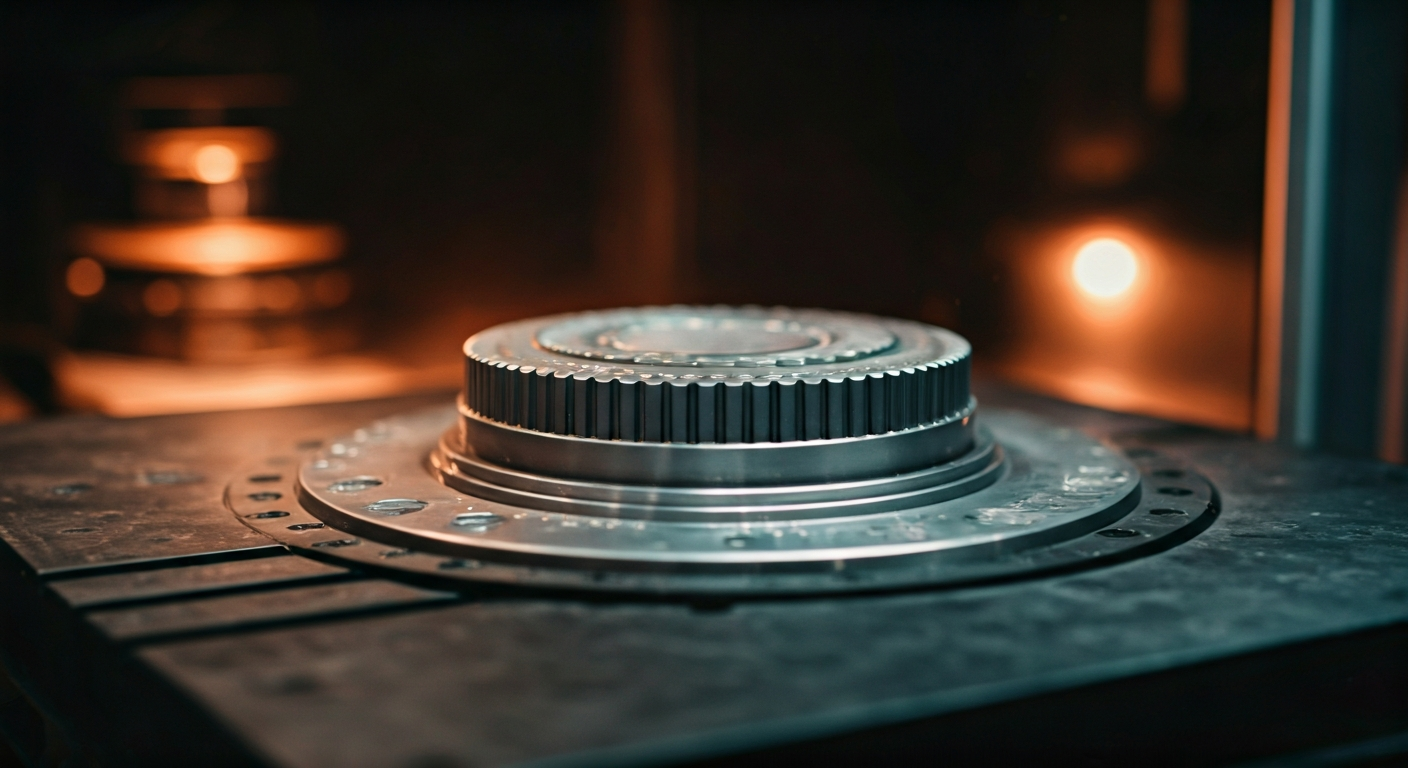
Several companies are making significant advancements in 3D printing metal technologies, focusing on new materials, improved processes, and expanded applications.
The additive manufacturing sector for metals is experiencing rapid development, with various companies introducing innovations that enhance capabilities and broaden market reach. These advancements are crucial for industries requiring high-performance metal components.
Key areas of progress include the development of novel metal alloys specifically designed for 3D printing, offering improved mechanical properties and corrosion resistance. Furthermore, enhancements in printing processes, such as increased printing speeds and greater precision, are enabling the production of more complex geometries with reduced material waste and shorter lead times.
Companies are also focusing on expanding the range of printable metals, moving beyond traditional materials to include exotic alloys and composites. This diversification is opening up new possibilities for applications in demanding sectors like aerospace, automotive, and medical devices.
Investments in research and development are driving these innovations, with a strong emphasis on making metal 3D printing more accessible and cost-effective. The goal is to enable widespread adoption for both prototyping and end-use part production.
These advancements in metal 3D printing are critical for producing lighter, stronger, and more complex parts, directly impacting aerospace and space applications. Improved material properties and faster, more precise printing processes align with the goals of in-situ manufacturing, potentially enabling components to be fabricated on-demand in remote or extraterrestrial environments.
Edited by the news editor with AI from the original report — please refer to the original source.